Bermudagrass: Best Uses, Planting Choices, and Care That Actually Works
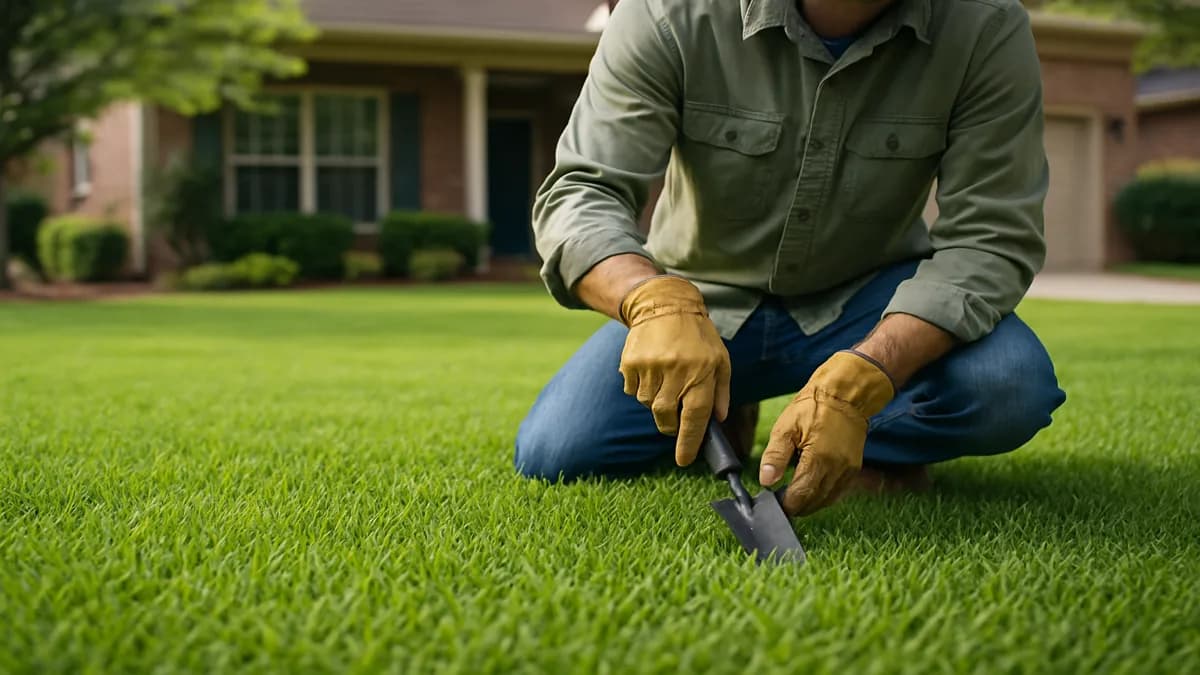
Bermudagrass is a tough warm-season lawn grass for sunny yards, sports areas, and hot climates. Here is where it shines, where it fails, and how to manage it.
On this page
Bermudagrass is for sunny lawns that need to take heat, traffic, and hard use. It is not a polite grass. It spreads by runners above and below ground, recovers quickly from wear, needs frequent mowing when happy, and turns brown during winter dormancy.
If your yard gets full sun and you live in the South, lower transition zone, or warm parts of the West, bermudagrass can be one of the toughest lawn choices. If your yard has shade, cold winters, or garden beds you want protected from creeping runners, think twice before planting it.
Bermudagrass Traits at a Glance (opens in a new tab)
Bermudagrass is a warm-season turfgrass, which means it grows hardest in late spring, summer, and early fall. It slows or goes dormant when weather cools. Its big advantage is aggressive growth: stolons creep across the soil surface, while rhizomes spread underground.
| Trait | Bermudagrass Reality |
|---|---|
| Season | Warm-season grass |
| Best climate | Hot-summer regions, especially the South and lower transition zone |
| Sun need | Full sun, usually 6-8+ hours |
| Shade tolerance | Poor |
| Growth habit | Spreads by stolons and rhizomes |
| Traffic tolerance | Excellent when actively growing |
| Drought response | Goes dormant under drought, then recovers with water if crowns survive |
| Winter color | Brown during dormancy in cool weather |
| Typical mowing height | 1-2 inches for most home lawns |
Bermudagrass has a different personality from zoysiagrass. Zoysia is dense and slower to recover. Bermuda is faster, more open-textured, and more willing to run into beds, cracks, and neighboring lawns.
Where Bermudagrass Works Best (opens in a new tab)
Bermudagrass works best in hot, sunny areas where the lawn gets used. It is common on sports fields, play lawns, and high-traffic yards because it can repair itself during active growth. That repair ability is why it can also become a weed in places you did not invite it.
| Yard or Region | Fit for Bermudagrass | What to Watch |
|---|---|---|
| Deep South | Excellent | Winter dormancy is shorter, but mowing can be frequent |
| Lower transition zone | Good | Cold snaps can thin marginal varieties |
| Upper transition zone | Mixed | Choose cold-tolerant cultivars and expect longer dormancy |
| Desert Southwest | Good with irrigation | Heat is fine, water management matters |
| Pacific Northwest | Poor | Cool summers limit growth |
| Mostly shaded yards | Poor | Thin turf and weeds are likely |
| High-traffic sunny yards | Excellent | Needs enough fertility and mowing to recover |
The transition zone is where the decision gets tricky. Bermudagrass can thrive through hot summers in places like Tennessee, North Carolina, Oklahoma, and parts of Virginia, but winter injury becomes more likely as you move north or choose less cold-tolerant types. If year-round green matters more than summer toughness, a cool-season grass like tall fescue may be a better fit.
Bermudagrass Pros and Cons (opens in a new tab)
Bermudagrass is popular because it solves real lawn problems. It tolerates heat, handles heavy use, and fills bare spots quickly when it has sunlight, nitrogen, and water. A worn path across a sunny Bermuda lawn can recover in weeks during summer.
The trade-off is control. Bermudagrass creeps into landscape beds, vegetable gardens, sidewalk cracks, and other turf areas. It also hates shade. Under trees or beside fences, it thins and leaves bare soil for weeds.
Winter dormancy surprises a lot of homeowners. Dormant bermudagrass is straw-brown, not dead. In warm climates, the brown period may be short. In the transition zone, it can last for months. Some homeowners overseed with perennial ryegrass for winter color, but that adds fall seeding work and spring transition management.
Seed, Sod, Sprigs, or Plugs? (opens in a new tab)
Bermudagrass can be started several ways, and the right method depends on budget, cultivar, and how fast you need coverage. Seed is cheapest when the type you want is available as seed. Sod is fastest. Sprigs are common for large areas and hybrid varieties, but they require good soil prep and steady moisture.
| Planting Method | Best For | Pros | Cons |
|---|---|---|---|
| Seed | Common or improved seeded Bermuda | Lowest material cost, DIY-friendly | Slower, more weed pressure, fewer cultivar choices |
| Sod | Instant lawn, erosion control, small yards | Fast cover, fewer weeds at start | Higher cost, must root before hard use |
| Sprigs | Large areas, many hybrids | Cheaper than sod for some projects | Needs careful planting and frequent watering |
| Plugs | Small repairs or gradual fill-in | Simple for patches | Slow for full lawns |
Use the grass seed calculator before buying seed and the sod calculator before ordering pallets. If you are not sure of your lawn size, measure it first with the lawn area calculator.
If you choose sod, read how to care for new sod before delivery day and compare budget expectations with current sod prices. Fresh Bermuda sod needs tight soil contact, frequent early watering, and limited traffic while it roots.
How Much Bermudagrass Seed Do You Need? (opens in a new tab)
Seed rates depend on the product label and whether you are starting bare soil or repairing thin turf. Many seeded bermudagrass lawns use about 1-2 pounds of pure live seed per 1,000 square feet, but coated seed, blend composition, and cultivar matter. Always use the label rate for the exact bag in your hand.
Here is the math for a simple 5,000 square foot lawn at 1.5 pounds per 1,000 square feet:
5,000 sq ft ÷ 1,000 = 5
5 x 1.5 lbs = 7.5 lbs of seed
Round up for edges, slopes, and spreader overlap, but do not double the rate. Too much seed can create weak, crowded seedlings and more disease pressure. If you want a professional installation instead of a DIY seed job, compare expectations with lawn seeding prices.
Bermudagrass Care: Mowing, Watering, and Fertilizer (opens in a new tab)
Bermudagrass looks best when it is mowed low and often. Most home lawns do well at 1 to 2 inches, while very low heights usually require a reel mower and more frequent cuts. Letting Bermuda get tall, then scalping it, leaves brown stems showing.
For a full mowing comparison by species, use LawnStarter’s lawn mowing height by grass type guide. Bermuda is one grass where mowing height is not a small detail. It affects density, color, weeds, and how much brown stem you see after each cut.
Water deeply enough to wet the root zone, then let the surface dry before watering again. Many established lawns do well around 1 inch of water per week from rain and irrigation during active growth, but soil, heat, slope, and restrictions change the answer. For a broader schedule, see how often to water your lawn.
Fertilize only when Bermuda is green and growing. A common annual nitrogen range is 2-4 pounds of nitrogen per 1,000 square feet, split across the growing season. Soil testing should steer phosphorus and potassium decisions, and local rules may restrict phosphorus unless a soil test shows need.
Use the year-round lawn fertilizer schedule to line up feedings with active growth, not calendar hope.
Bermudagrass Timing Table (opens in a new tab)
Bermudagrass timing is built around warmth. Seed, sod, sprig, aerate, and fertilize when the grass can grow back quickly.
| Task | Best Timing | Practical Notes |
|---|---|---|
| Seed | Late spring to early summer | Wait for consistently warm soil; follow bag rate |
| Lay sod | Late spring through summer | Earlier is easier on watering than peak heat |
| Plant sprigs | Late spring to early summer | Keep soil moist until runners root |
| First mow after planting | When rooted and tall enough | Never tear loose new sod or seedlings |
| Routine mowing | Active growing season | Usually 1-2 inches for home lawns |
| Fertilize | Late spring through summer | Feed after green-up, not during dormancy |
| Core aerate | Late spring to early summer | Best when Bermuda is growing fast |
| Overseed for winter color | Early fall | Use ryegrass carefully so spring transition is not messy |
If you overseed every fall, read how often to overseed your lawn first. Winter ryegrass can look great, but heavy overseeding may compete with Bermuda as it tries to wake up in spring.
Common Mistakes With Bermudagrass (opens in a new tab)
The biggest mistake is planting bermudagrass in shade and hoping fertilizer will fix it. It will not. More nitrogen may make the sunny areas grow faster, but the shaded areas will stay thin.
Another mistake is mowing too high for too long, then cutting the lawn short all at once. Bermuda stores a lot of brown stem below the green leaf. Remove too much at one mowing and the lawn looks scalped even if the crowns are healthy.
Do not fertilize dormant Bermuda to force color. Nitrogen belongs in the active growing season. If winter color matters, overseed properly or accept that warm-season dormancy is part of the deal.
When to Skip Bermudagrass (opens in a new tab)
Skip bermudagrass if your lawn gets less than a half day of direct sun, if you want a grass that stays green through cold winters without overseeding, or if you cannot mow frequently during summer growth. Also skip it near delicate planting beds unless you are willing to edge and patrol runners.
For a slower warm-season grass with a denser feel, compare zoysiagrass. For a cool-season lawn that handles the transition zone better in partly shaded yards, tall fescue is often the safer choice.
Bottom Line (opens in a new tab)
Bermudagrass is a strong choice for hot, sunny, high-use lawns. It spreads fast, repairs damage well, and can be seeded, sodded, sprigged, or plugged depending on the cultivar and budget. The price of that toughness is aggressive spread, poor shade tolerance, frequent mowing, and a brown winter lawn wherever it goes dormant.
If those trade-offs match your yard, Bermuda can be excellent. If they do not, choose another grass before you spend money fighting the nature of the plant.
Frequently asked questions
Calculators for this job
Grass Seed Calculator
Seeding rates differ by species by a factor of twenty, bermudagrass wants 1 lb per 1,000 sq ft, perennial ryegrass wants 8. Pick your grass and whether you're starting fresh or overseeding.
OpenSod Calculator
Enter your lawn area to get square feet, individual pieces, and pallets, plus the cut allowance you'll actually need. Sod is perishable, so ordering short means a second delivery fee.
OpenFertilizer Calculator
Turf guidance is written in pounds of nitrogen per 1,000 sq ft, but fertilizer is sold as a percentage analysis. This converts between them for any bag you have, enter the three numbers on the front.
OpenLawn Area Calculator
Almost every other lawn number depends on this one. Break your yard into simple shapes, subtract the parts that aren't grass, and get a square footage you can use for seed, fertilizer, and quotes.
OpenKeep reading
Zoysiagrass: What to Know Before You Plant (and How to Keep It Happy)
Zoysiagrass makes a thick, weed-fighting lawn but takes patience and goes brown for months. Here’s how to plant, care for, and decide if zoysia fits your yard.
7 min read
Perennial Ryegrass: Fast Green-Up, Smart Uses, and Where It Falls Short
Perennial ryegrass seed is your shortcut to a green lawn,if you use it right. Here’s how to seed, blend, and care for it, plus where it works and where it fizzles.
7 min read
Lawn Mowing Height by Grass Type (Plus the One-Third Rule)
Mowing height is a cultural practice, not a preference. Match the deck to your grass, never cut more than one-third, and raise the cut in heat.
6 min read
Spotted something out of date or wrong? Tell us , we correct guides rather than leaving them to rot.