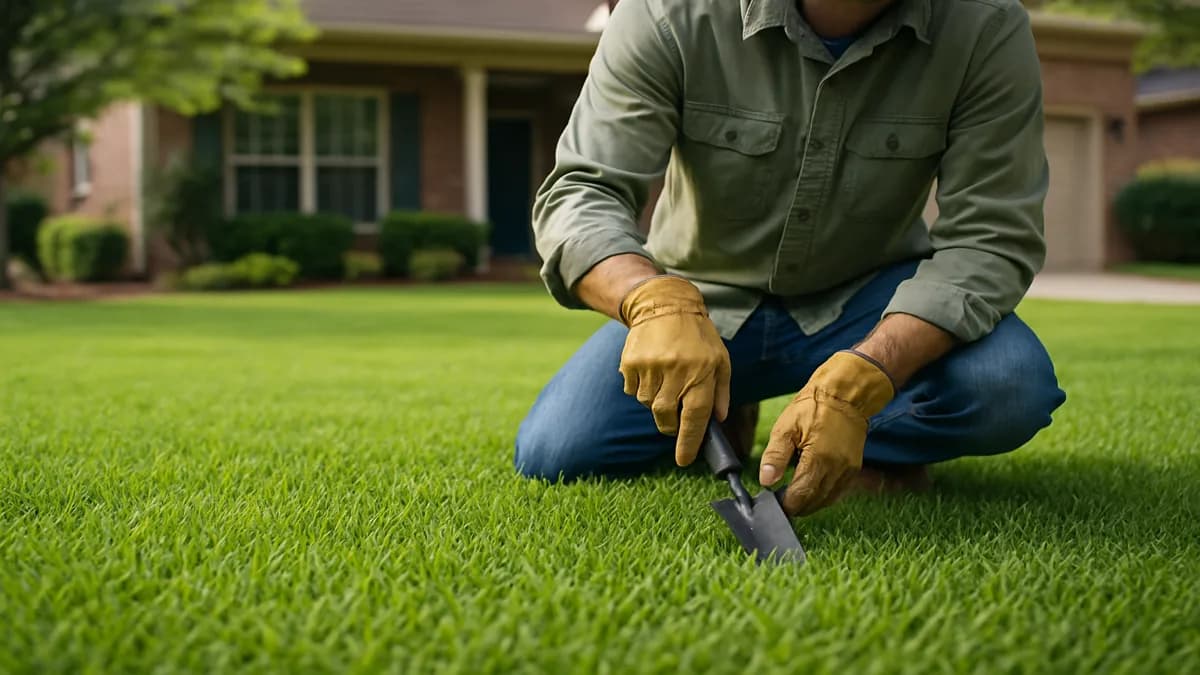
Bermudagrass: Best Uses, Planting Choices, and Care That Actually Works
Bermudagrass is a tough warm-season lawn grass for sunny yards, sports areas, and hot climates. Here is where it shines, where it fails, and how to manage it.
9 min read
Match the grass to your climate and how you use the yard. The wrong species causes most chronic lawn problems.
4 guides
Work out quantities and costs before you read further.
Seeding rates differ by species by a factor of twenty, bermudagrass wants 1 lb per 1,000 sq ft, perennial ryegrass wants 8. Pick your grass and whether you're starting fresh or overseeding.
OpenEnter your lawn area to get square feet, individual pieces, and pallets, plus the cut allowance you'll actually need. Sod is perishable, so ordering short means a second delivery fee.
OpenRather than running four calculators separately, enter your lawn size and grass type once and get the full picture, seed, nitrogen for the year, water per week, and what the whole thing costs to maintain.
OpenSeeding rates, mowing heights, and tolerances side by side. Ratings run 1 (poor) to 5 (excellent).
| Grass | Seed rate (new) | Mow height | Shade | Drought | Traffic |
|---|---|---|---|---|---|
| Kentucky bluegrass | 2–3 lb/1k | 2.5–3.5 in | 2/5 | 2/5 | 4/5 |
| Tall fescue | 6–8 lb/1k | 3–4 in | 3/5 | 4/5 | 4/5 |
| Perennial ryegrass | 6–9 lb/1k | 1.5–2.5 in | 2/5 | 2/5 | 5/5 |
| Fine fescue | 4–5 lb/1k | 2.5–4 in | 5/5 | 4/5 | 2/5 |
| Grass | Seed rate (new) | Mow height | Shade | Drought | Traffic |
|---|---|---|---|---|---|
| Bermudagrass | 1–2 lb/1k | 1–2 in | 1/5 | 5/5 | 5/5 |
| Zoysiagrass | 1–2 lb/1k | 1–2.5 in | 3/5 | 4/5 | 4/5 |
| Centipedegrass | 0.25–0.5 lb/1k | 1–2 in | 3/5 | 3/5 | 2/5 |
| St. Augustinegrass | Not seeded | 2.5–4 in | 4/5 | 3/5 | 2/5 |
| Bahiagrass | 6–10 lb/1k | 2.5–4 in | 2/5 | 5/5 | 3/5 |
| Buffalograss | 2–4 lb/1k | 2–4 in | 1/5 | 5/5 | 3/5 |
Rates are for new lawns from bare soil. Overseeding uses roughly half. Work out your exact quantity.
Bermudagrass is a tough warm-season lawn grass for sunny yards, sports areas, and hot climates. Here is where it shines, where it fails, and how to manage it.
9 min read
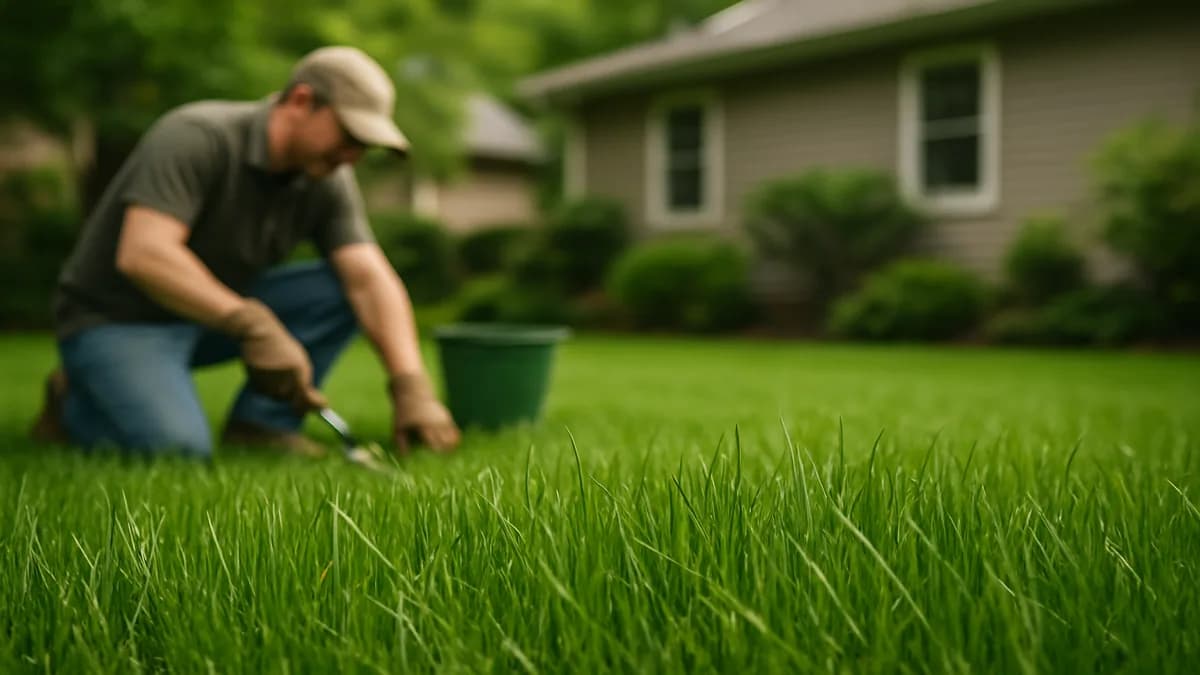
Tall fescue is a practical cool-season grass for transition-zone lawns, but it grows in bunches and needs overseeding to stay thick.
9 min read
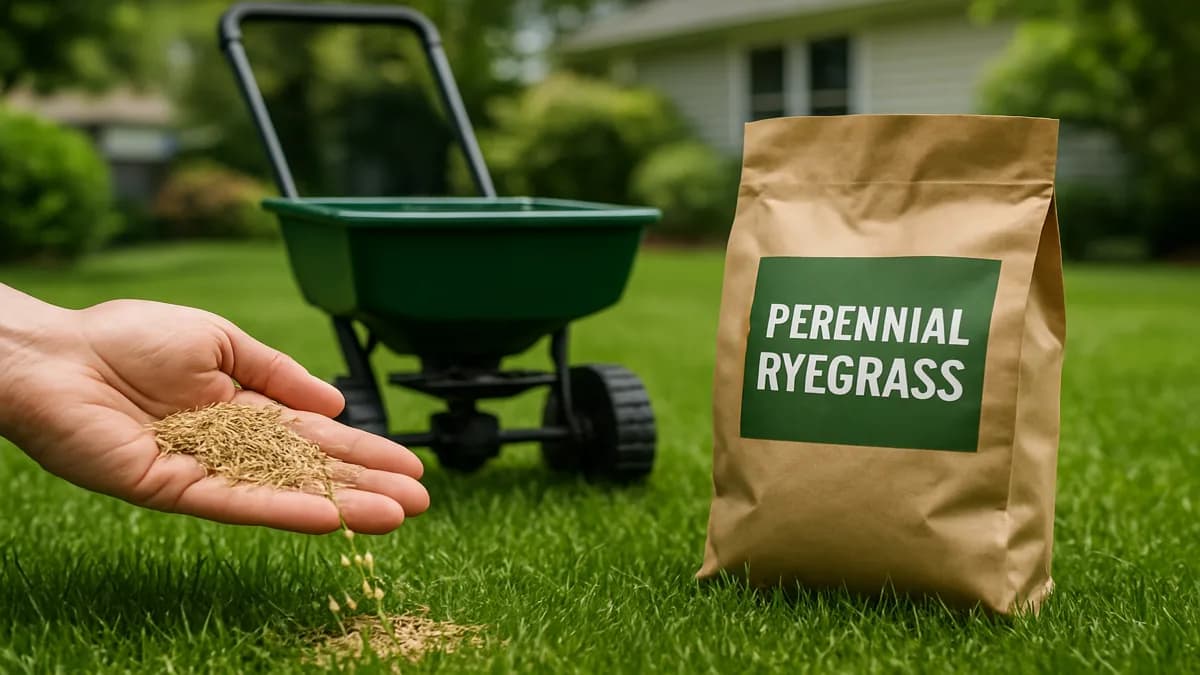
Perennial ryegrass seed is your shortcut to a green lawn,if you use it right. Here’s how to seed, blend, and care for it, plus where it works and where it fizzles.
7 min read

Zoysiagrass makes a thick, weed-fighting lawn but takes patience and goes brown for months. Here’s how to plant, care for, and decide if zoysia fits your yard.
7 min read