Power Rake vs Dethatching: Plain Advice for Real Lawns
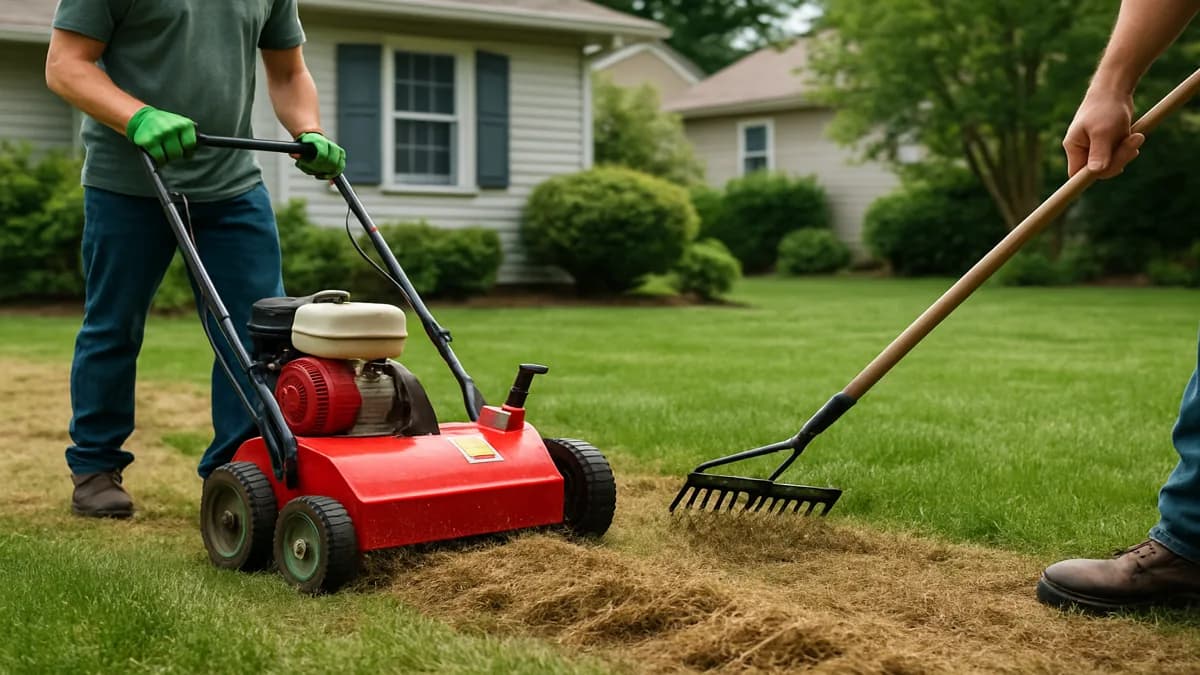
Most lawns don't need power raking or dethatching. Here's how to check your thatch and pick the right fix if you do.
On this page
- What Is a Power Rake? What Is a Dethatcher?
- What Is Thatch? And How Do You Measure It?
- How to Check Your Thatch (Don’t Just Guess)
- What Causes Thatch To Build Up?
- Power Raking vs Dethatching: When and Why
- Power Raking
- Dethatching (Vertical Mowing)
- Core Aeration: The Safer Fix for Most Lawns
- How to Power Rake or Dethatch (If You Really Need To)
- Real-World Example: Measuring and Treating Thatch
- How Much Does Power Raking or Dethatching Cost?
- When to Skip Power Raking or Dethatching
- Where People Mess Up
- Quick Comparison Table: Power Rake vs Dethatcher
- Bottom Line
If you’re standing in your yard wondering if you need to power rake or dethatch, here’s the short answer: Most folks don’t need either. But if you’re seeing spongy patches, thinning grass, or water running off instead of soaking in, you might have a thatch problem. The trick is knowing how much thatch you’ve got,and picking the right tool if you actually need one.
What Is a Power Rake? What Is a Dethatcher? (opens in a new tab)
Let’s clear up the lingo. A power rake is a machine with spinning, flexible tines that comb through the grass and pull up loose, dead stuff sitting on top. It works a bit like a heavy-duty spring rake on steroids. It’s not meant to dig deep.
A dethatcher (sometimes called a vertical mower or verticutter) is a whole different beast. It’s got rigid, vertical blades that slice down into the thatch and even a bit of soil, pulling up thick, matted layers. This is a much rougher treatment and can leave your lawn looking like a hayfield after a tornado.
What Is Thatch? And How Do You Measure It? (opens in a new tab)
Thatch is that brown, spongy layer between your green grass and the dirt. It’s made of old roots, stems, and crowns,not clippings. A little thatch (up to 1/2 inch thick) is good. It cushions feet, insulates roots, and helps keep moisture in. But too much,more than 1/2 inch,starts to block water, air, and fertilizer from reaching the soil. Roots get lazy and grow sideways instead of down. That’s when you get problems.
How to Check Your Thatch (Don’t Just Guess) (opens in a new tab)
Cut a plug
Use a shovel or soil knife to cut a wedge about 3 inches deep and 4-6 inches wide from your lawn.
Find the thatch
Look for the brown, spongy layer between the green grass and the soil. That’s your thatch.
Measure it
Use a ruler. Less than 1/2 inch? You’re fine. 1/2 to 1 inch? Time to consider aeration. Over 1 inch? Now you’re in dethatching territory.
| Thatch Thickness | What To Do |
|---|---|
| Under 1/2 inch | Leave it alone. |
| 1/2 to 1 inch | Core aerate, maybe light power raking |
| Over 1 inch | Dethatch (vertical mower) |
What Causes Thatch To Build Up? (opens in a new tab)
- Over-fertilizing with quick-release nitrogen
- Watering too much (keeps soil soggy, microbes can’t work)
- Heavy clay or compacted soils
- Using too many fungicides or pesticides (kills the good bugs)
- Grass type: Creeping grasses (Bermuda, zoysia, bentgrass) are prone to thatch. Tall fescue and ryegrass, not so much.
Power Raking vs Dethatching: When and Why (opens in a new tab)
Power Raking (opens in a new tab)
- Good for: Cleaning up winter debris, prepping for overseeding, or when thatch is just starting to build (around 1/2 to 3/4 inch).
- Not for: Thick, matted thatch. Won’t dig deep enough.
- Best time: Early spring for cool-season lawns, late spring for warm-season lawns.
- Recovery: Usually just a few days if you don’t overdo it.
Dethatching (Vertical Mowing) (opens in a new tab)
- Good for: Lawns with over 1 inch of thatch, especially Bermuda, zoysia, or bentgrass.
- Not for: Thin thatch, stressed lawns, or lawns not actively growing.
- Best time: Early fall for cool-season grasses (Kentucky bluegrass, fescue, rye). Late spring for warm-season (Bermuda, zoysia).
- Recovery: Can take weeks. You’ll probably need to overseed and water like crazy.
| Factor | Power Raking | Dethatching (Vertical Mower) |
|---|---|---|
| Thatch Thickness | 1/2 to 3/4 inch | Over 1 inch |
| Lawn Type | Most, but not for thick thatch | Bermuda, zoysia, bentgrass |
| Disruption Level | Moderate | High |
| Recovery Time | Days | Weeks |
| Cost (DIY) | $50-$90 rental | $70-$120 rental |
| Risk of Damage | Low if done right | High if done wrong |
Core Aeration: The Safer Fix for Most Lawns (opens in a new tab)
If your thatch is 1/2 to 1 inch thick, skip the power rake and go for core aeration. This pulls out plugs of soil, lets air and water in, and helps microbes break down thatch naturally. Topdress with a quarter-inch of compost right after, and you’ll see better results with less risk.
For more on this approach, see Guide to Topdressing Lawn Grass and Liquid Aeration vs Core Aeration.
How to Power Rake or Dethatch (If You Really Need To) (opens in a new tab)
If you’ve measured and you really do have a thatch problem, here’s how to do it without wrecking your yard:
Pick the right season
Cool-season lawns: Early fall. Warm-season lawns: Late spring. Never dethatch dormant grass.
Mow low and bag clippings
Cut the grass to about half its normal height. Bag everything. You want the machine to hit the thatch, not just the grass blades.
Set the machine shallow
Start with the shallowest setting. Test a small patch. Only go deeper if you’re not pulling up enough thatch.
Clean up thoroughly
Rake up all debris right away. Don’t leave piles,they’ll smother the grass.
Overseed if needed
If you see bare spots or lots of exposed soil, overseed right away. See How Often to Overseed Your Lawn.
Water and feed lightly
Keep the soil moist for a couple weeks. A light fertilizer helps recovery. See 9 FAQs About Applying Starter Fertilizer.
Real-World Example: Measuring and Treating Thatch (opens in a new tab)
Let’s say you cut a plug and find a 1-inch (2.5 cm) thatch layer. Your lawn is Kentucky bluegrass in Ohio. Here’s what you’d do:
- It’s early September (active growth for cool-season grass).
- Rent a vertical mower for $90. Set it shallow and test a small area.
- Dethatch, rake up debris, and bag it.
- Overseed with 3 lbs per 1,000 sq ft. Water daily for 2 weeks.
- Apply a light starter fertilizer.
- Expect the lawn to look rough for 2-4 weeks, then fill in.
How Much Does Power Raking or Dethatching Cost? (opens in a new tab)
| Service/Equipment | Typical Cost (2024) |
|---|---|
| Power rake rental (half day) | $50 - $90 |
| Vertical mower rental (half day) | $70 - $120 |
| Pro power raking (avg lawn) | $120 - $250 |
| Pro dethatching (avg lawn) | $180 - $350 |
| Core aeration (pro) | $95 - $180 |
| Aeration + compost topdressing | $250 - $500 |
Note: Rentals often require a truck or trailer. For small yards, hiring a pro may actually cost less than renting and hauling equipment yourself.
When to Skip Power Raking or Dethatching (opens in a new tab)
If your thatch is under 1/2 inch, don’t bother. You’ll just stress out healthy grass and waste money. Instead, focus on mowing at the right height, watering deeply but not often, and using slow-release fertilizer. For leaf cleanup, see Best Ways to Clean Up Leaves in Your Yard.
Where People Mess Up (opens in a new tab)
The most common mistake: Dethatching or power raking every year “just because.” That’s how you end up with thin, weedy lawns. Only do it when you’ve measured and know you have a problem. And never dethatch when the grass is dormant or stressed from drought.
Quick Comparison Table: Power Rake vs Dethatcher (opens in a new tab)
| Feature | Power Rake | Dethatcher (Vertical Mower) |
|---|---|---|
| Depth of Action | Surface (up to 3/4 inch) | Deep (removes 1+ inch) |
| Grass Types | Most, but not for thick thatch | Bermuda, zoysia, bentgrass |
| Best Timing | Early spring or fall | Early fall (cool), late spring (warm) |
| Lawn Recovery | Days | Weeks |
| Overseeding Needed | Sometimes | Almost always |
| Cost (DIY) | Lower | Higher |
Bottom Line (opens in a new tab)
Don’t guess,measure your thatch. Most lawns don’t need power raking or dethatching. If you do have a thick thatch problem, pick the right tool and do it at the right time. For most folks, core aeration and compost topdressing is the safer, smarter fix. Save your lawn (and your wallet) the trouble.
For more on overseeding, see DIY Hydroseeding Guide. Want to understand fertilizer labels? Check Fertilizer Numbers: What They Mean.
Frequently asked questions
Calculators for this job
Compost Calculator
Compost gets applied far thinner than mulch or soil, and the right depth depends entirely on the job. Enter your area and pick the application to get volume, bags, and cost.
OpenLawn Area Calculator
Almost every other lawn number depends on this one. Break your yard into simple shapes, subtract the parts that aren't grass, and get a square footage you can use for seed, fertilizer, and quotes.
OpenLawn Care Cost Calculator
Build a service plan and see what it costs per visit, per month, and per year. Mowing usually accounts for most of the total, and lawn size matters less than people expect.
OpenKeep reading
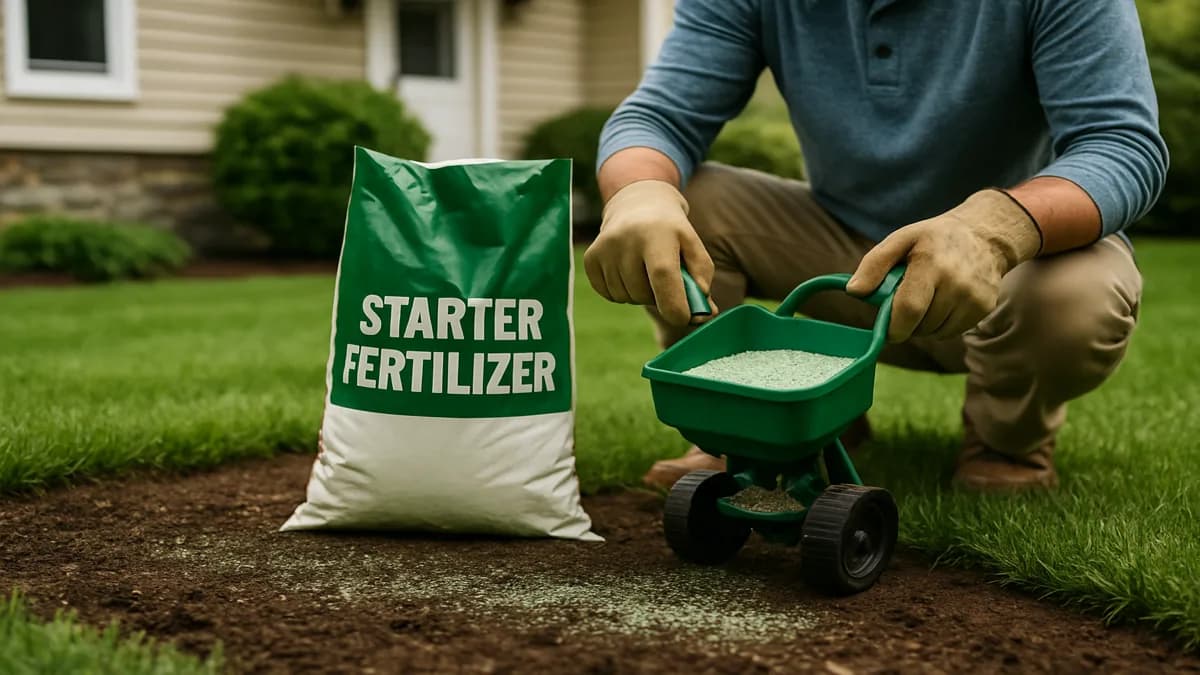
Starter Fertilizer for New Grass: What Most Homeowners Get Wrong
Starter fertilizer can jumpstart new grass, but using it wrong wastes money or breaks the law. Here’s what to know before you spread.
6 min read
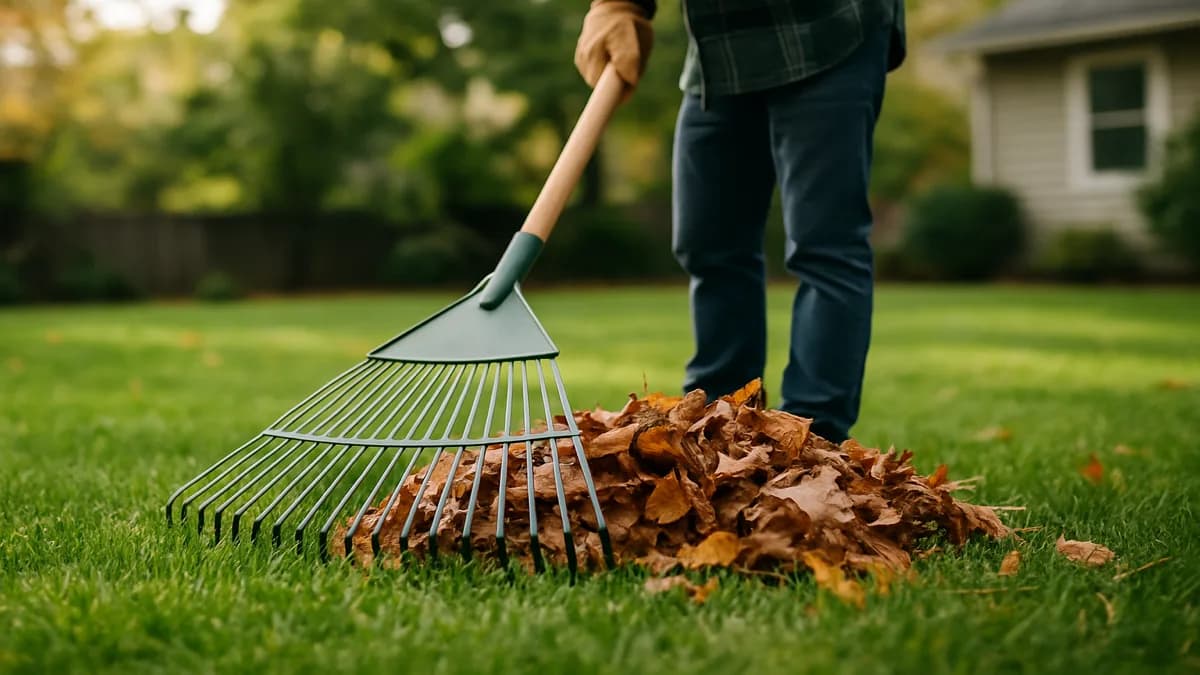
How to Clean Up Leaves Without Wrecking Your Lawn
Mulch-mowing leaves is usually best, but thick layers need removal. Here’s how to clean up leaves the right way for your lawn and climate.
7 min read
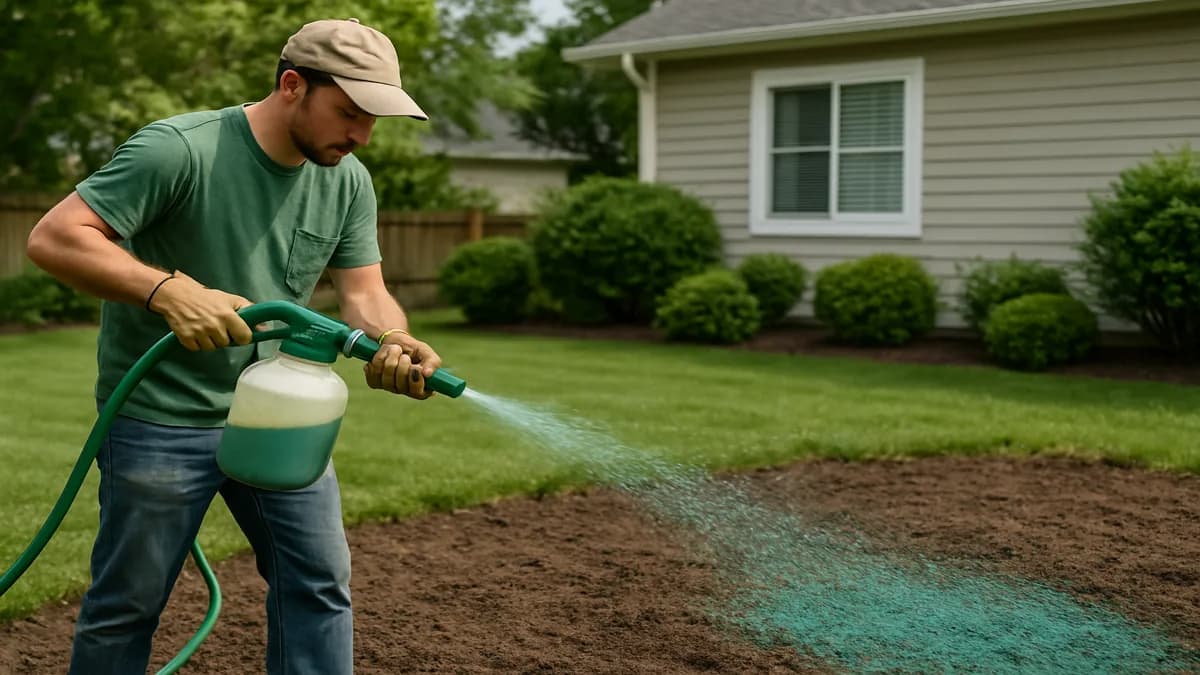
DIY Hydroseeding: What Actually Works and Where People Go Wrong
Hydroseeding sprays a slurry of seed, mulch, and fertilizer onto bare soil. It’s great for slopes and big bare spots, but DIY kits have limits. Here’s what to know before you buy or rent.
7 min read
Spotted something out of date or wrong? Tell us , we correct guides rather than leaving them to rot.