How to Clean Up Leaves Without Wrecking Your Lawn
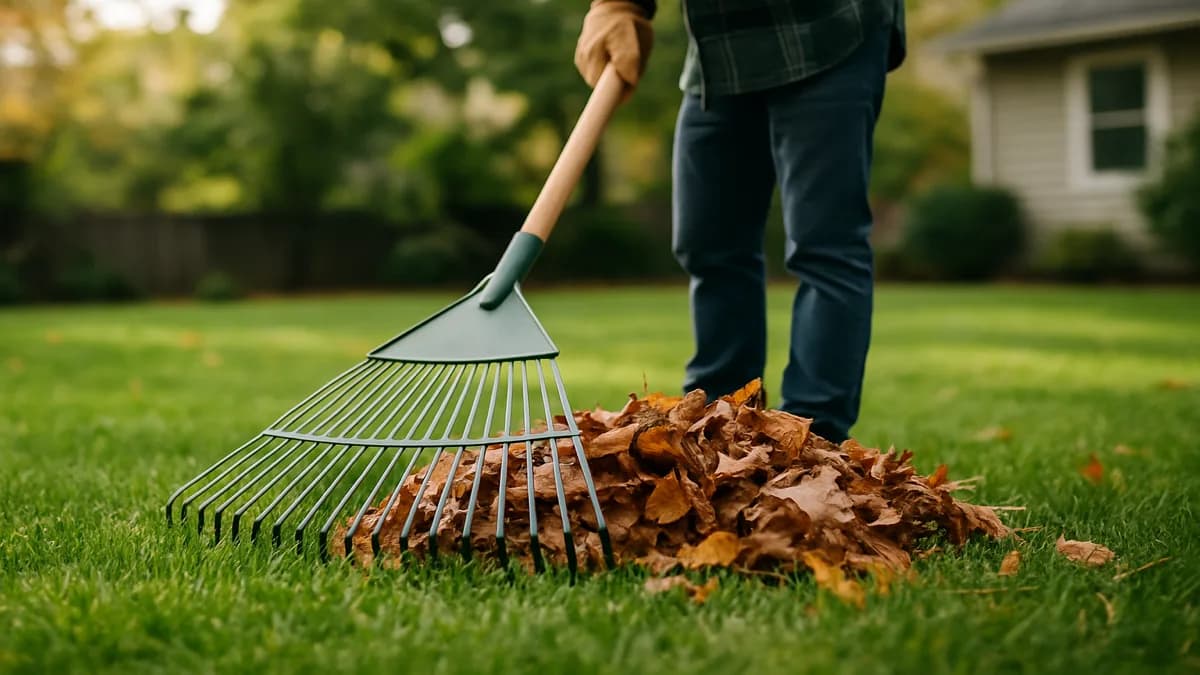
Mulch-mowing leaves is usually best, but thick layers need removal. Here’s how to clean up leaves the right way for your lawn and climate.
On this page
- Why Bother Cleaning Up Leaves At All?
- The Four Main Ways to Clean Up Leaves
- 1. Mulch-Mowing (Mowing Over Leaves)
- 2. Raking
- 3. Leaf Blowing
- 4. Leaf Vacuuming and Shredding
- When to Mulch, Remove, or Leave Leaves Alone
- Where People Mess Up: Waiting Too Long
- Skip-It Scenario: When You Don’t Need to Clean Up
- What To Do With Collected Leaves
- When to Clean Up Leaves (Timing Matters)
- Worked Example: Mulch-Mowing a 5,000 sq ft Lawn
- What Does Leaf Removal Cost If You Hire It Out?
- Leaf Blower Alternatives
- When Leaving Leaves Is Good
- Related Reading
You’re staring at a yard full of leaves, and you’re trying to figure out: Do I rake, mow, blow, or just ignore them? Here’s the short answer: If you can still see grass poking through, mulch-mowing is your best bet. If the leaves are thick enough to hide the lawn, you’ll need to remove some,otherwise, you’ll smother your grass and set yourself up for bare spots and disease come spring.
Why Bother Cleaning Up Leaves At All? (opens in a new tab)
A few leaves won’t hurt. In fact, chopped leaves add nutrients and organic matter to your soil. But a thick layer,especially from oaks, maples, or sycamores,blocks sunlight, traps moisture, and encourages snow mold and dead patches. I’ve seen too many lawns go patchy after a winter under a soggy leaf blanket.
If you want a healthy lawn next spring, clear off heavy leaf cover. If you only have a light scattering, you can skip the rake and let your mower do the work.
The Four Main Ways to Clean Up Leaves (opens in a new tab)
| Method | Best For | Pros | Cons | Typical Cost (DIY) |
|---|---|---|---|---|
| Mulch-Mowing | Light/moderate cover | Fast, feeds lawn, no hauling | Won’t work for thick/wet layers | Free |
| Raking | Small/tight spaces | Precise, quiet, no power needed | Labor-intensive, slow for big yards | Free |
| Blowing | Large open lawns | Fast for big areas, easy pile-making | Noisy, banned in some cities, less precise | $50-$200+ |
| Vacuum/Shred | Heavy leaf fall | Shreds for compost, reduces volume | Expensive equipment, not for small yards | $100-$400+ |
1. Mulch-Mowing (Mowing Over Leaves) (opens in a new tab)
If you have a decent mower, this is the fastest way for most yards. Just mow over dry leaves, ideally with a mulching blade. The mower chops leaves into bits that settle between grass blades and break down over winter.
-
How to do it:
- Wait for dry weather. Wet leaves gum up the works.
- Set the mower deck high (3 inches or more).
- Go slow. Two passes may be needed for thick spots.
- If you can’t see the grass after mowing, remove some leaves and try again.
-
Works best for: Lawns with a thin to moderate layer (up to about 1 inch thick). If you can see the grass, you’re good.
-
Benefits:
- No bags to haul.
- Adds organic matter and nutrients.
- Saves your back and your weekend.
2. Raking (opens in a new tab)
Old-school, but still the best for small yards, corners, and garden beds. Use a flexible leaf rake, not a stiff garden rake. Rake onto a tarp for easy dragging to compost or curb.
-
When to rake:
- Leaf layer is thick or wet.
- Tight spots around shrubs and fences.
- You want to keep leaves tidy for city pickup.
-
Tips:
- Wear gloves. Blisters sneak up fast.
- Don’t wait for every leaf to fall. Multiple light rakings are easier than one big job.
3. Leaf Blowing (opens in a new tab)
Battery and electric blowers are quieter and allowed almost everywhere. Gas blowers are getting banned in more cities every year. Blowers are best for moving dry leaves off lawns, driveways, and patios into piles for pickup or mulch-mowing.
-
Best for:
- Large, flat lawns.
- Hard surfaces.
-
Limitations:
- Wet leaves stick and won’t budge.
- Not great for flower beds (blows mulch everywhere).
4. Leaf Vacuuming and Shredding (opens in a new tab)
These machines suck up and shred leaves, making them perfect for compost or mulch. They’re great for big yards with lots of trees, but overkill for a postage-stamp lawn.
- Downsides:
- Machines can be heavy and expensive.
- Wet leaves can clog the works.
When to Mulch, Remove, or Leave Leaves Alone (opens in a new tab)
| Leaf Situation | Best Method | Why? |
|---|---|---|
| Thin layer, grass visible | Mulch-mow | Fast, feeds lawn |
| Moderate layer, small yard | Mulch-mow or rake | Multiple passes may be needed |
| Thick layer, any yard | Rake/blow, then mulch | Prevents smothering |
| Leaves in beds/under shrubs | Leave or mulch | Good for soil and wildlife |
| Wet, matted leaves | Wait, then rake | Mower will clog |
Where People Mess Up: Waiting Too Long (opens in a new tab)
What usually happens is folks ignore leaves until Thanksgiving, then try to tackle a soggy, foot-thick mess. By then, mulch-mowing is impossible and raking is a pain. Clean up every week or two during peak fall. It’s much easier and your lawn will thank you.
Skip-It Scenario: When You Don’t Need to Clean Up (opens in a new tab)
If you have only a light scattering of leaves and can see most of your grass, you can skip cleanup altogether. Mulch-mowing or just letting them break down won’t hurt. Don’t waste time chasing every last leaf.
What To Do With Collected Leaves (opens in a new tab)
Leaves are garden gold if you use them right:
- Compost: Shredded leaves break down quickly and balance grass clippings (high nitrogen). Whole leaves take longer and can mat unless mixed.
- Leaf mold: Pile leaves in a shady spot, keep them damp, and wait a year or two. You’ll get a crumbly, soil-like mulch.
- Mulch: Spread shredded leaves 2-3 inches deep in garden beds. They suppress weeds and feed the soil.
- Store: Bag dry leaves for summer composting, when you have too much green material and not enough brown.
When to Clean Up Leaves (Timing Matters) (opens in a new tab)
- Don’t wait for every leaf to fall. Multiple light cleanups are easier than one big job.
- Mulch-mow only when leaves are dry.
- Finish before the ground freezes. Frozen leaves are impossible to remove and can damage grass.
Worked Example: Mulch-Mowing a 5,000 sq ft Lawn (opens in a new tab)
Say you’ve got a 5,000 square foot lawn and a moderate layer of leaves (about 1 inch thick). That’s roughly 15-20 large bags if you raked it all. If you mulch-mow every week, you’ll chop the leaves fine enough to disappear into the turf. Mowing takes 30-40 minutes per session, and you avoid hauling 400-600 pounds of leaves. If you pay for removal, that’s $150-$300 per visit you’re saving.
What Does Leaf Removal Cost If You Hire It Out? (opens in a new tab)
Leaf removal is usually priced by the job, not by square foot. It depends on tree cover, not just lawn size.
- Typical range: $150 to $380 per visit for an average suburban yard (quarter-acre, moderate trees)
- Frequency: Two visits per fall is common
- Haul-away: Costs more than mulch-mowing or curb pickup
Tip: Ask your lawn crew if they offer mulch-mowing. Many default to bagging and hauling, but mulch-mowing saves money and is better for your grass.
Leaf Blower Alternatives (opens in a new tab)
If you can’t (or won’t) use a blower:
- Rake onto a tarp, then drag to compost or curb.
- Mulch-mow light layers.
- Use a leaf vacuum if you have a big yard and lots of trees.
When Leaving Leaves Is Good (opens in a new tab)
- Garden beds and under shrubs: Leaves act as free mulch, suppressing weeds and protecting roots. Shredded is best, but even whole leaves work if they don’t mat.
- Wildlife: Many pollinators, fireflies, and beneficial insects overwinter in leaf litter. Leaving some undisturbed piles in out-of-the-way spots helps local ecology.
Related Reading (opens in a new tab)
- Gas Leaf Blower Bans
- Guide to Topdressing Lawn Grass
- How to Winterize a Garden
- Fertilizer Numbers: What They Mean
- 9 FAQs About Applying Starter Fertilizer to Your Lawn
If you pick the right method for your yard and stay on top of cleanup, you’ll save hours and your lawn will look better next spring. Don’t overthink it. If you can still see the grass, mulch-mow and call it a day.
Frequently asked questions
Calculators for this job
Lawn Care Cost Calculator
Build a service plan and see what it costs per visit, per month, and per year. Mowing usually accounts for most of the total, and lawn size matters less than people expect.
OpenLawn Area Calculator
Almost every other lawn number depends on this one. Break your yard into simple shapes, subtract the parts that aren't grass, and get a square footage you can use for seed, fertilizer, and quotes.
OpenCompost Calculator
Compost gets applied far thinner than mulch or soil, and the right depth depends entirely on the job. Enter your area and pick the application to get volume, bags, and cost.
OpenKeep reading
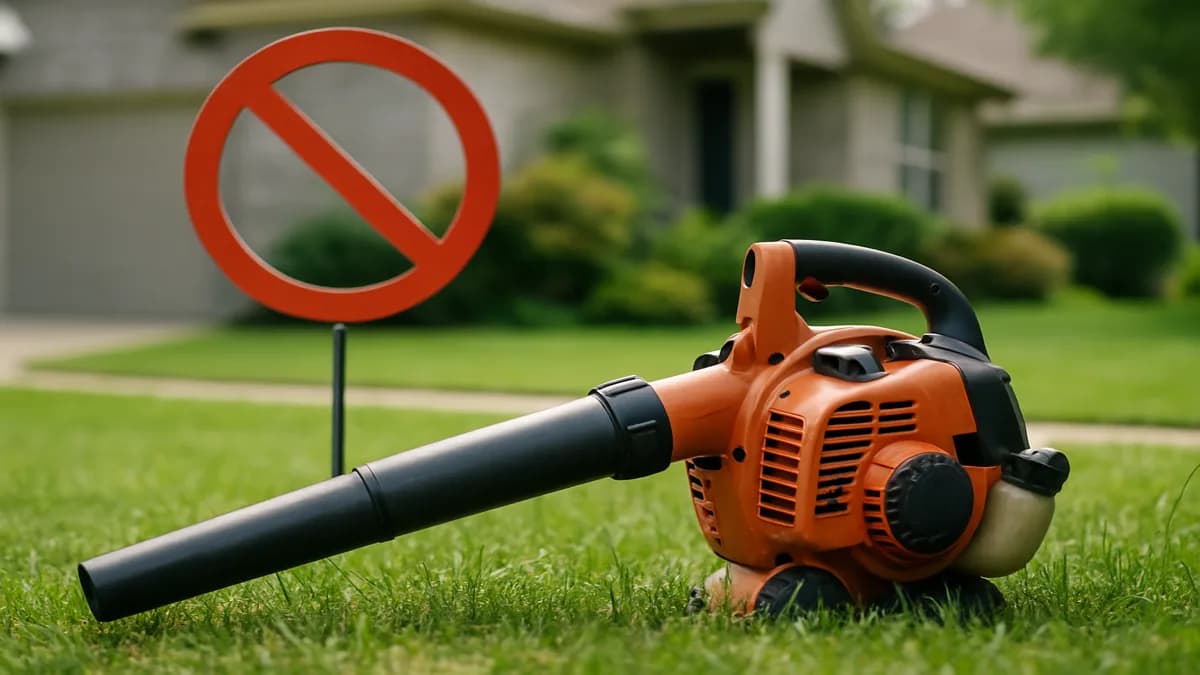
Gas Leaf Blower Bans: The Rules, the Map, and Your Options
Gas leaf blower bans are spreading fast. Here’s how to check your local rules, what alternatives work, and the mistakes that get homeowners fined.
7 min read
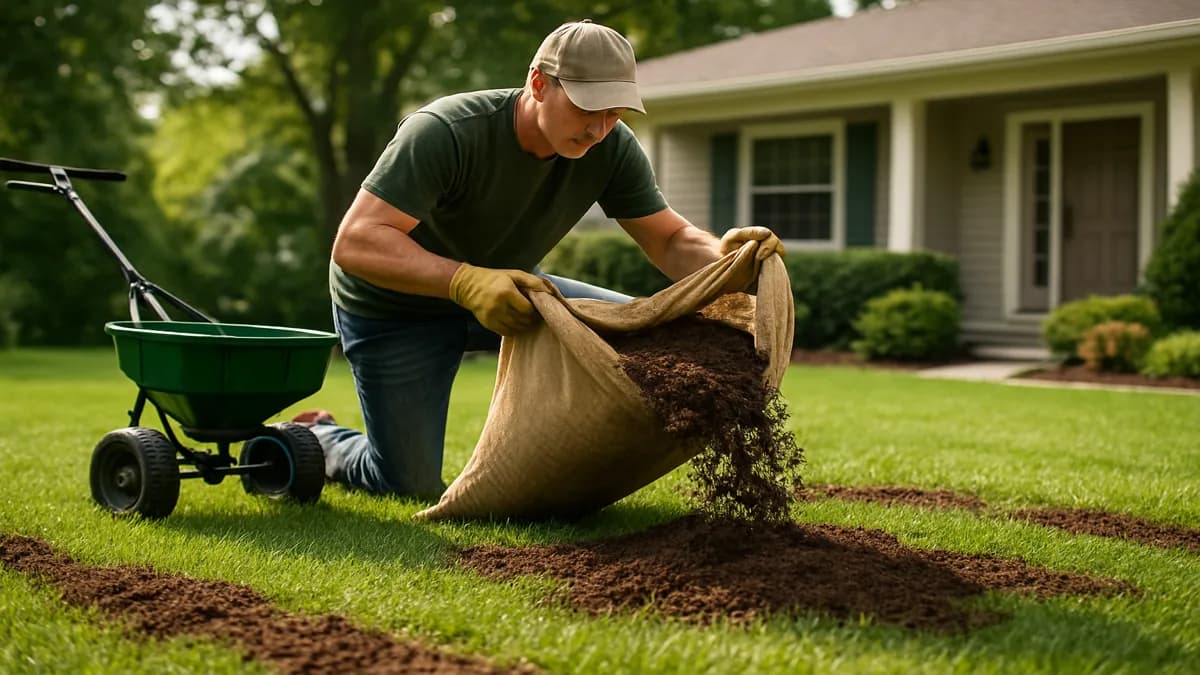
Topdressing Your Lawn: Real Advice for Healthier, Smoother Grass
Topdressing means spreading a thin layer of compost or soil over your lawn to fix bumps, improve soil, and help grass grow. The trick is never to bury the grass.
6 min read
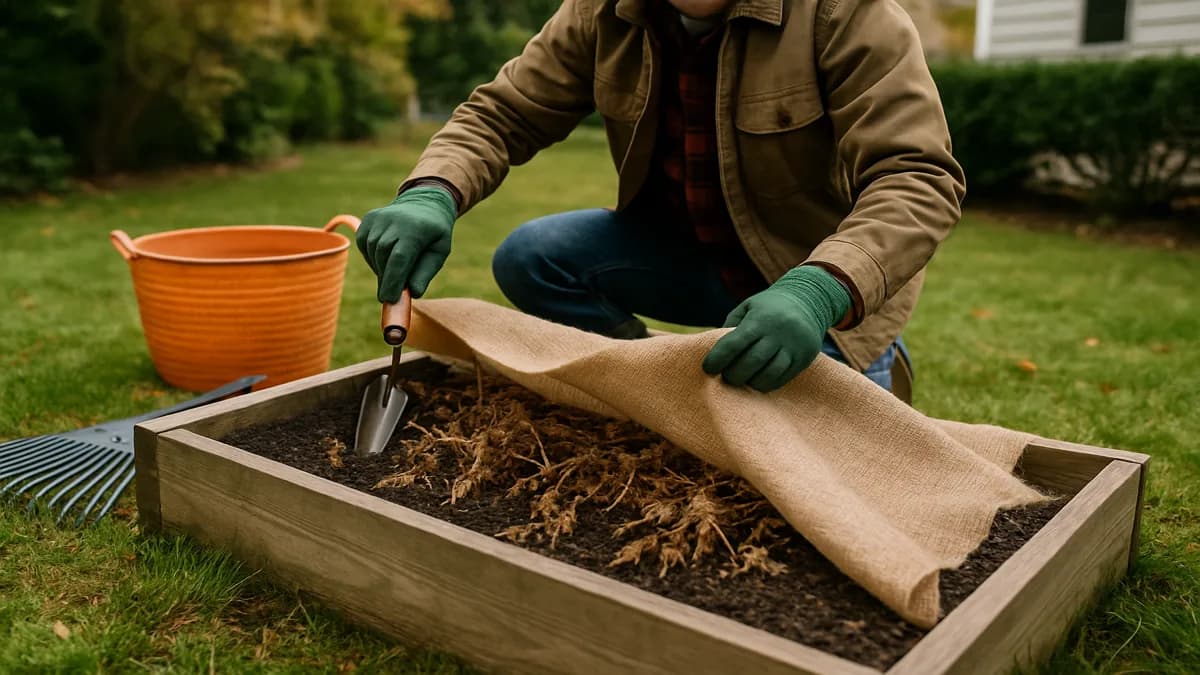
Winterizing Your Garden: What Actually Matters
Winter garden prep isn’t about wrapping everything in burlap. Here’s what actually matters for healthy beds, roses, and irrigation,plus what you can skip.
7 min read
Spotted something out of date or wrong? Tell us , we correct guides rather than leaving them to rot.