Starter Fertilizer for New Grass: What Most Homeowners Get Wrong
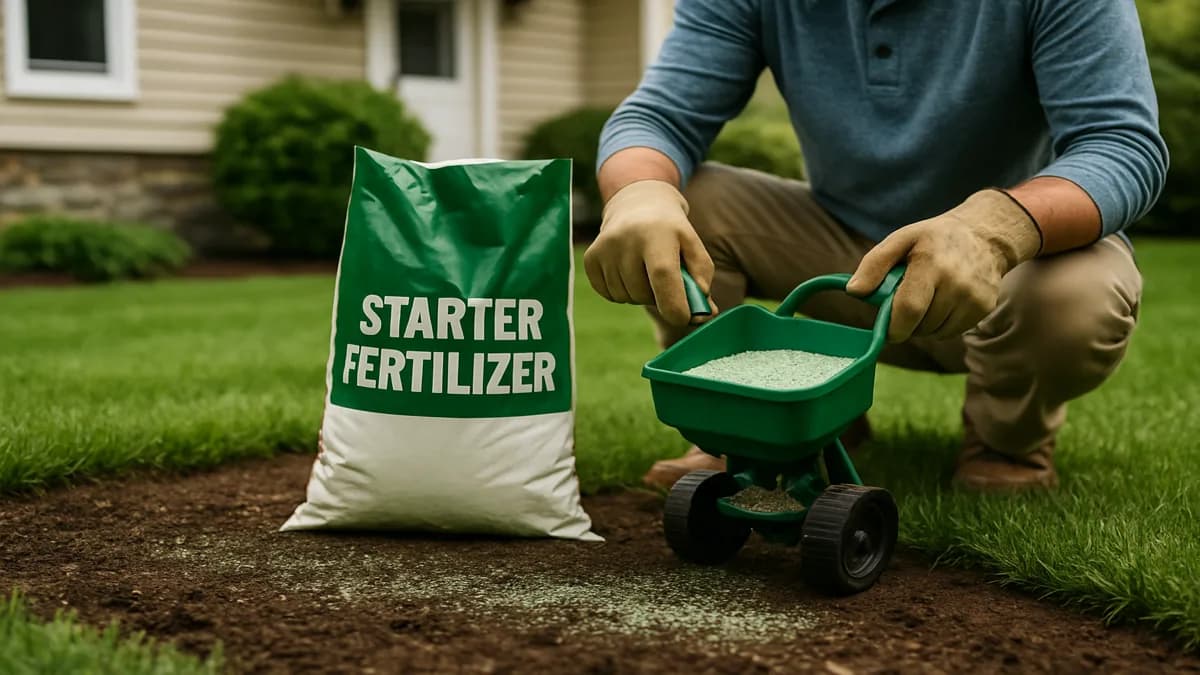
Starter fertilizer can jumpstart new grass, but using it wrong wastes money or breaks the law. Here’s what to know before you spread.
On this page
- What Makes a Fertilizer a "Starter"?
- When Is Starter Fertilizer Worth It?
- When to Skip Starter Fertilizer
- Phosphorus Restrictions: What You Need to Know
- How to Apply Starter Fertilizer (and Not Burn Your Lawn)
- Worked Example: How Much Starter Fertilizer Do You Need?
- Where People Mess Up: Common Mistakes
- Starter Fertilizer vs. Regular Fertilizer: What’s the Difference?
- Organic Alternatives: Do They Work?
- Skip-It Scenario: When Starter Fertilizer Is a Waste
- What Actually Matters Most for New Grass?
- More on Lawn Seeding and Fertilizer
If you’re staring at a bag of grass seed and wondering if you need starter fertilizer, you’re not alone. Most folks want to know: Will this stuff actually help my new lawn, or am I just buying another bag for the shed?
Here’s the short answer: Starter fertilizer is most useful when you’re seeding bare soil or a spot where the topsoil’s been stripped away. If you’re just overseeding an existing lawn, you probably don’t need it,and in some places, you’re not even allowed to use it.
What Makes a Fertilizer a "Starter"? (opens in a new tab)
Look at the three numbers on the bag. Starter fertilizers have a high middle number,like 18-24-12 or 12-24-8. That’s phosphorus, and it’s what new roots need most. Regular lawn fertilizers usually have little or no phosphorus (think 24-0-4) because mature grass doesn’t need much.
Phosphorus is most effective in the first few weeks after seeding, when roots are just getting going. Starter fertilizers also keep nitrogen lower to avoid burning tender seedlings.
| Fertilizer Type | Typical Analysis | Nitrogen (N) | Phosphorus (P) | Potassium (K) | When to Use |
|---|---|---|---|---|---|
| Starter Fertilizer | 18-24-12 | Medium | High | Medium | New seeding, bare soil |
| Regular Lawn Fertilizer | 24-0-4 | High | None | Low | Established lawns |
| Organic (bone meal) | 3-15-0 | Low | Medium | None | Soil improvement, slow feed |
When Is Starter Fertilizer Worth It? (opens in a new tab)
- Seeding on bare soil: New construction, after grading, or any spot where you see more dirt than grass. These soils are often low in phosphorus.
- Poor or disturbed soil: If topsoil was stripped or replaced, odds are you’re low on available phosphorus.
- Cool soil conditions: Spring or late fall seeding? Roots grow slow in cold soil, so a phosphorus boost helps.
On most lawns, starter fertilizer makes the biggest difference when you’re starting from scratch. If you’re just patching a few bare spots, it’s still helpful, but not as critical.
When to Skip Starter Fertilizer (opens in a new tab)
- Overseeding an established lawn: Most lawns have plenty of phosphorus from years of fertilizer. Adding more won’t help and may be illegal.
- Soil already tests high in phosphorus: A soil test is the only way to know for sure. If your soil’s loaded, skip the starter.
Phosphorus Restrictions: What You Need to Know (opens in a new tab)
Many states and cities now restrict phosphorus use on lawns. Why? Too much phosphorus runs off into streams and lakes, causing algae blooms. Here’s what usually happens:
| State/City Rule | New Lawns Allowed? | Overseeding Allowed? | Soil Test Required? |
|---|---|---|---|
| New York | Yes | No | Yes (for exceptions) |
| Minnesota | Yes | No | Yes (for exceptions) |
| Wisconsin | Yes | No | Yes (for exceptions) |
| Florida (some counties) | Yes | No | Yes (for exceptions) |
| Most other states | Varies | Varies | Varies |
- Allowed: When starting a new lawn from bare soil or sod
- Allowed: If a soil test shows a phosphorus deficiency
- Prohibited: For routine feeding of established turf
- Prohibited: On frozen ground or hard surfaces
How to Apply Starter Fertilizer (and Not Burn Your Lawn) (opens in a new tab)
Starter fertilizers are designed to be safe for seedlings,if you follow the label. Overdo it, and you’ll burn your new grass. Here’s the right way:
Prep the soil
Rake the area smooth and remove rocks or debris. Good seed-to-soil contact is key.
Spread the seed
Go in two directions for even coverage. Don’t dump it all in one pass.
Apply fertilizer separately
Use a broadcast or drop spreader. Don’t mix seed and fertilizer in the same hopper,they’ll separate and spread unevenly.
Rake lightly
Rake just enough to cover seed and fertilizer about 1/4 inch deep. Don’t bury it.
Water gently, often
Keep the top inch of soil moist until you see green. Water lightly 1-2 times a day, then back off as grass grows.
Worked Example: How Much Starter Fertilizer Do You Need? (opens in a new tab)
Let’s say you’re seeding a 2,000 sq ft patch of bare soil. The bag says to apply 1.5 lbs of product per 1,000 sq ft.
- 2,000 sq ft x 1.5 lbs/1,000 sq ft = 3 lbs total
So you’ll need 3 lbs of starter fertilizer for the whole area. Don’t guess,measure it out.
Where People Mess Up: Common Mistakes (opens in a new tab)
- Overapplying fertilizer: More is not better. Too much phosphorus can burn seedlings, pollute water, and sometimes break the law.
- Using weed and feed: Most weed and feed products contain pre-emergent herbicides that stop grass seed from sprouting. The only exception is siduron (Tupersan), which is rare and pricey.
- Skipping the soil test: Guessing at your soil’s needs leads to wasted money and poor results.
- Applying on the wrong schedule: Seed and starter fertilizer need to go down at the same time, not weeks apart.
Starter Fertilizer vs. Regular Fertilizer: What’s the Difference? (opens in a new tab)
Starter fertilizer is all about phosphorus for root growth. Regular lawn fertilizer is mostly nitrogen for green top growth. If your soil already has enough phosphorus, regular fertilizer is fine for overseeding.
Organic Alternatives: Do They Work? (opens in a new tab)
- Bone meal: Good phosphorus source, but slow to break down,especially in alkaline soils.
- Composted manure: Adds a little phosphorus and organic matter, but not as concentrated as synthetic starter.
- Compost: Great for soil structure and water retention, but not a big phosphorus boost.
If you want to go organic, you’ll need to apply more material and be patient. Don’t expect instant results.
Skip-It Scenario: When Starter Fertilizer Is a Waste (opens in a new tab)
If you’re overseeding a thick, healthy lawn that’s been fertilized in the last year, skip the starter. You’re just adding extra phosphorus that won’t help,and could hurt your local streams. Use a regular fertilizer if you need a boost.
What Actually Matters Most for New Grass? (opens in a new tab)
Fertilizer helps, but it’s not magic. Here’s what really makes or breaks a new lawn:
- Timing: Cool-season grasses do best seeded late summer to early fall. Warm-season types prefer late spring.
- Seed-to-soil contact: If seed sits on top of thatch or debris, it won’t sprout.
- Consistent moisture: The top inch of soil must stay moist until seeds sprout. Miss a day, and you’ll lose seedlings.
- Right seeding rate: Too much seed leads to weak, spindly grass. Too little leaves bare spots.
- Fertility: Starter fertilizer helps roots, but only if the basics above are right.
More on Lawn Seeding and Fertilizer (opens in a new tab)
- What fertilizer numbers mean
- How often to overseed your lawn
- How to care for new sod
- DIY hydroseeding tips
- Guide to topdressing your lawn
If you’re still not sure what your lawn needs, ask your local extension office or garden center. And remember: The bag is just the start. The real work is in the prep, the watering, and a little patience.
Frequently asked questions
Calculators for this job
Fertilizer Calculator
Turf guidance is written in pounds of nitrogen per 1,000 sq ft, but fertilizer is sold as a percentage analysis. This converts between them for any bag you have, enter the three numbers on the front.
OpenGrass Seed Calculator
Seeding rates differ by species by a factor of twenty, bermudagrass wants 1 lb per 1,000 sq ft, perennial ryegrass wants 8. Pick your grass and whether you're starting fresh or overseeding.
OpenLawn Area Calculator
Almost every other lawn number depends on this one. Break your yard into simple shapes, subtract the parts that aren't grass, and get a square footage you can use for seed, fertilizer, and quotes.
OpenKeep reading
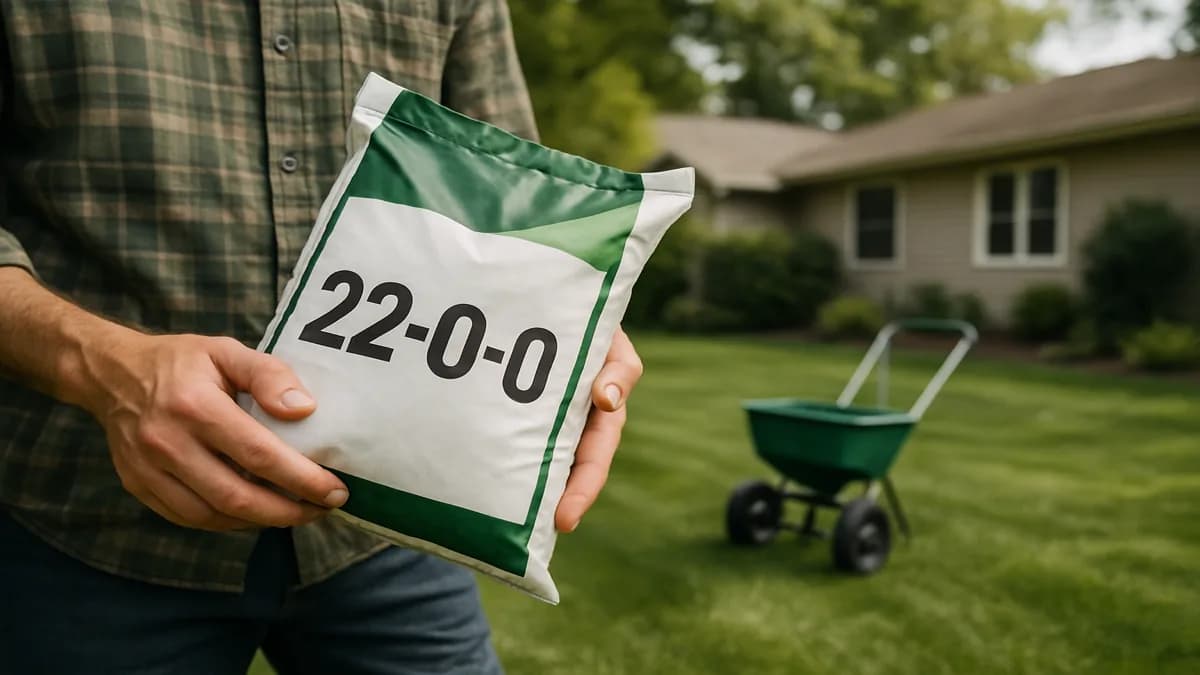
What Fertilizer Numbers Really Mean (NPK and Lawn Fertilizer Math)
Wondering what those fertilizer numbers mean? Here’s how to read NPK ratios, why phosphorus is often zero, and how to figure out the right amount for your grass.
7 min read
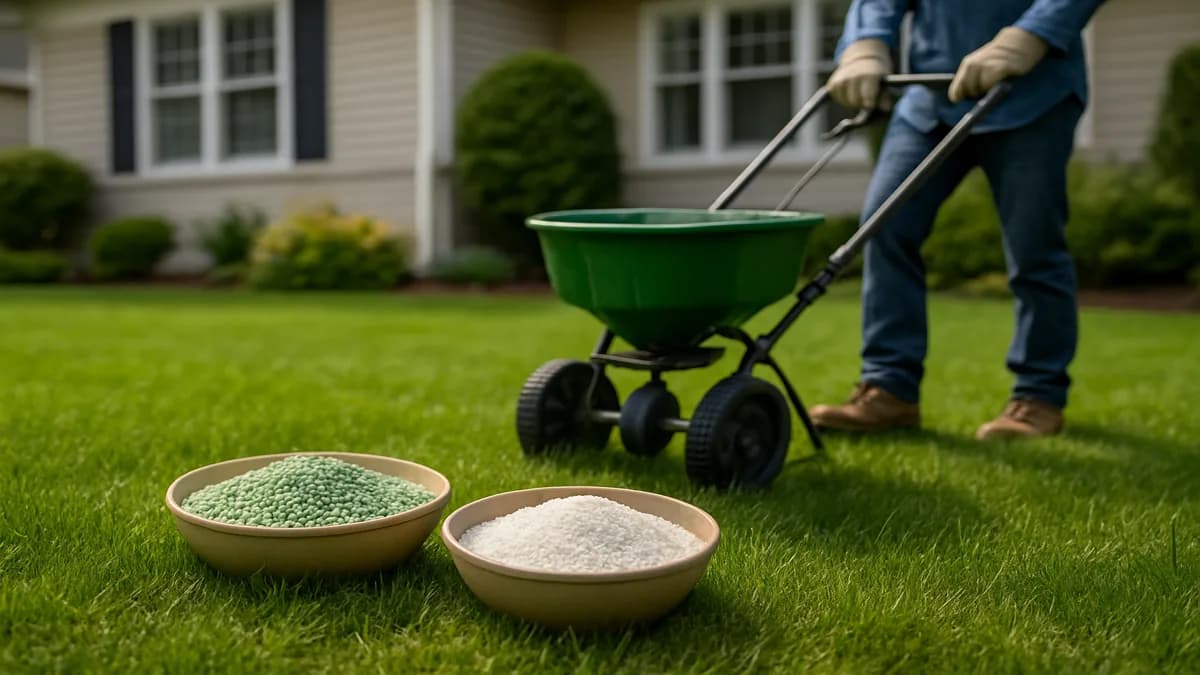
Slow Release vs Quick Release Fertilizer: What Actually Matters for Your Lawn
Slow release fertilizer feeds your lawn for weeks with less risk. Quick release acts fast but can burn and fades quickly. Here’s how to choose and apply the right one.
7 min read
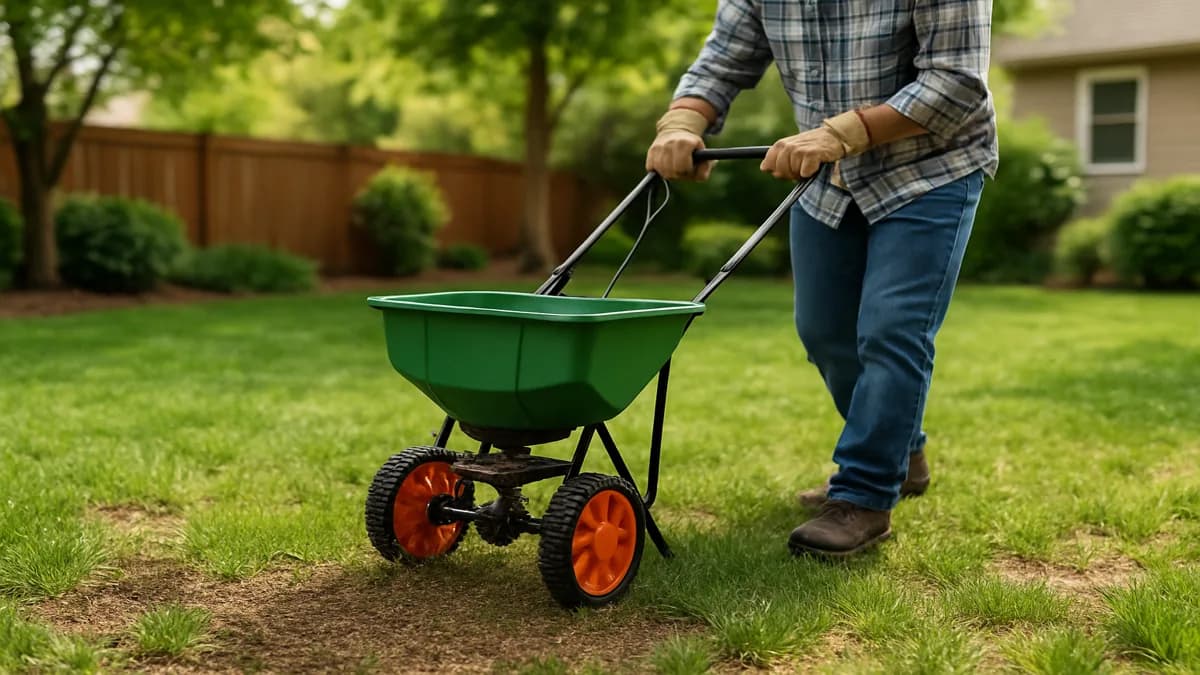
How Often Should You Overseed a Lawn?
Overseeding isn’t a yearly chore for everyone. Here’s how to decide if, when, and how much to overseed,plus the steps that actually matter.
7 min read
Spotted something out of date or wrong? Tell us , we correct guides rather than leaving them to rot.