DIY Hydroseeding: What Actually Works and Where People Go Wrong
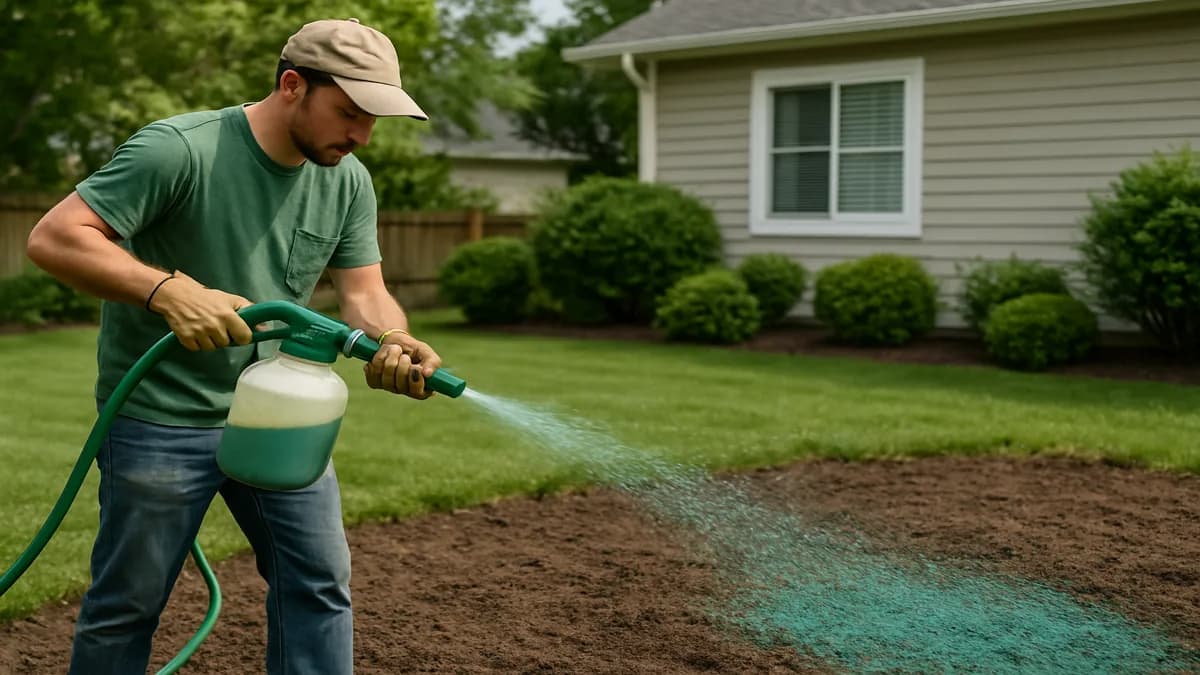
Hydroseeding sprays a slurry of seed, mulch, and fertilizer onto bare soil. It’s great for slopes and big bare spots, but DIY kits have limits. Here’s what to know before you buy or rent.
On this page
- What Is Hydroseeding, Really?
- What’s in the Slurry?
- When Hydroseeding Makes Sense
- When to Skip Hydroseeding
- DIY Hydroseeding Kits: What You Get (and Don’t)
- Renting a Hydroseeder: Worth It?
- Hydroseeding vs Dry Seeding vs Sod: Cost and Results
- How to Hydroseed (and Not Mess It Up)
- When to Hydroseed: Timing by Grass Type
- Worked Example: Seed and Mulch for 1,000 sq ft
- Where People Mess Up: Skimping on Mulch
- Honest Skip-It Scenario
- Final Tips
You’re staring at a big bare patch, or maybe a slope that keeps washing out. You want grass,fast, thick, and not gone after the next rain. Hydroseeding promises to spray on a new lawn in minutes. But does it really work, and is DIY hydroseeding worth the money?
Here’s the short answer: Hydroseeding is best for big, bare, or sloped areas where regular seeding washes away or dries out. For small, flat lawns, it’s usually more hassle and cost than it’s worth. DIY kits can help with patch jobs, but don’t expect pro results without pro equipment.
What Is Hydroseeding, Really? (opens in a new tab)
Hydroseeding (sometimes called hydromulching) is spraying a thick green slurry of grass seed, mulch, tackifier (a glue), starter fertilizer, and water onto bare soil. The mulch forms a mat that holds moisture and keeps seed from blowing or washing away. The tackifier helps it stick, especially on slopes.
What’s in the Slurry? (opens in a new tab)
- Seed: Use the normal seeding rate for your grass type. Hydroseeding doesn’t let you skimp.
- Mulch: Usually wood fiber (holds water best), paper (cheaper, breaks down faster), or a blend. Typical rate: 35-60 lbs per 1,000 sq ft. Steep slopes need more.
- Tackifier: Guar gum or synthetic glue to help mulch stick. Follow label rates.
- Starter fertilizer: Usually high in phosphorus. Check your soil test and local phosphorus rules,many states restrict it.
- Water: Makes up most of the mix.
| Mulch Type | Pros | Cons | Typical Use |
|---|---|---|---|
| Wood fiber | Holds water, resists erosion | More expensive | Slopes, pro jobs |
| Paper mulch | Cheap, easy to mix | Breaks down fast, less hold | Small patches, flat areas |
| Blend | Balance of cost and hold | Not as strong as wood | Most DIY kits |
When Hydroseeding Makes Sense (opens in a new tab)
Hydroseeding isn’t for every yard. Here’s where it shines:
| Situation | Why Hydroseeding Works |
|---|---|
| Slopes | Mulch and tackifier keep seed in place, even in rain |
| Large bare areas | Covers ground fast, saves labor over straw |
| Windy sites | Mulch mat won’t blow away like straw |
| Poor/rocky soil | Mulch holds moisture where soil dries out |
When to Skip Hydroseeding (opens in a new tab)
If you’ve got a small, flat backyard (under 2,000 sq ft), don’t bother. Dry seeding with a spreader and straw mulch is cheaper, easier, and works just as well. Hydroseeding is also pointless for overseeding an existing lawn,the seed needs bare soil contact, not a mulch mat.
DIY Hydroseeding Kits: What You Get (and Don’t) (opens in a new tab)
You’ll see hose-end hydroseeding kits at big box stores and online. They promise to cover 500-1,000 sq ft with a green spray. Here’s what actually happens:
- Coverage is optimistic. To get the mulch thickness pros use, you’ll need more product than the label says. Most kits skimp on mulch.
- Thin mulch layer. Less mulch means less moisture retention and less erosion control. On slopes, this matters.
- High cost per square foot. Once you buy enough kits to get real coverage, you might spend more than hiring a pro.
DIY kits are fine for patching small spots, utility trenches, or edges. For a whole yard, they get expensive fast and don’t match pro results.
Renting a Hydroseeder: Worth It? (opens in a new tab)
Some rental yards offer hydroseeders with tanks (100-300 gallons), pumps, and hoses. This lets you do a big job yourself, but it’s not for the faint of heart:
- Heavy gear: A full 300-gallon tank weighs over 2,500 lbs. You’ll need a trailer and a strong tow vehicle.
- Water supply: You’ll refill the tank several times. Have a hose and water source nearby.
- Mixing matters: If you don’t agitate the mix well, it clogs. Clean the tank and hoses immediately after use,tackifier sets up like concrete.
- Skill needed: Even coverage takes practice. Thin spots mean bare patches later.
Rental costs: $200-$400 per day, plus seed, mulch, and fertilizer. For a big yard (5,000+ sq ft), it can save money if you’re handy and have help. For most home lawns, it’s a lot of work for little gain.
Hydroseeding vs Dry Seeding vs Sod: Cost and Results (opens in a new tab)
Let’s compare for a typical 5,000 sq ft lawn (about 1/8 acre):
| Method | Typical Cost | Timeline to Lawn |
|---|---|---|
| Dry seeding, DIY | $150 - $400 | 2-3 months |
| Hydroseeding, pro | $500 - $1,500 | 2-3 months |
| Hydroseeding, DIY rental | $400 - $800 + labor | 2-3 months |
| Sod, DIY | $1,750 - $4,250 | Instant, roots in 4-6 wks |
| Sod, pro install | $5,000 - $12,000 | Instant |
Hydroseeding is a middle ground: more reliable than dry seeding on tough sites, way cheaper than sod, but you don’t get an instant lawn.
How to Hydroseed (and Not Mess It Up) (opens in a new tab)
Prep the soil
Clear rocks, weeds, and debris. Till compacted soil and grade for drainage. Don’t skip this,bad prep means bad results.Test and amend
Do a soil test. Add lime or starter fertilizer if needed. Many states restrict phosphorus,check local rules and use only what’s allowed.Rake and firm
Rake the soil smooth and lightly firm it. Seed needs good contact with the soil, not loose fluff or hardpan.Mix and spray
Mix seed, mulch, tackifier, fertilizer, and water per label rates. Spray in overlapping passes so you don’t miss spots. The green dye helps you see coverage.Water and keep moist
Water gently 2-3 times a day until seed sprouts. The mulch helps, but it doesn’t replace watering.Ease off watering
Once grass is up, water less often but deeper to encourage roots. Avoid heavy foot traffic for 3-4 weeks.
When to Hydroseed: Timing by Grass Type (opens in a new tab)
| Grass Type | Best Hydroseeding Window |
|---|---|
| Cool-season (fescue, rye, bluegrass) | Late August to mid-October (North); early spring is second-best |
| Warm-season (Bermuda, zoysia) | Late spring to early summer (after soil warms to 65°F/18°C) |
Trying to hydroseed outside these windows usually means poor germination or weed takeover.
Worked Example: Seed and Mulch for 1,000 sq ft (opens in a new tab)
Say you want to hydroseed a 1,000 sq ft patch with tall fescue:
- Seed rate: 6 lbs per 1,000 sq ft
- Mulch rate: 50 lbs per 1,000 sq ft (wood fiber)
You’ll need 6 lbs of seed and 50 lbs of mulch. If your kit claims to cover 500 sq ft with 20 lbs of mulch, you’d need 2.5 kits to get pro-level coverage,so double the cost listed on the box.
Where People Mess Up: Skimping on Mulch (opens in a new tab)
Biggest mistake I see: using too little mulch to save money or because the kit doesn’t supply enough. Thin mulch means seed dries out or washes away, especially on slopes. If you’re going to do it, use the right amount,even if that means buying extra.
Honest Skip-It Scenario (opens in a new tab)
If your yard is small, flat, and not prone to erosion, skip hydroseeding. Dry seeding with a spreader and straw mulch is cheaper, easier, and works just as well. Save hydroseeding for big, bare, or sloped areas where straw won’t stay put.
Final Tips (opens in a new tab)
- Prep the soil like you mean it. Hydroseeding won’t fix compaction, rocks, or weeds.
- Use the right rates for seed, mulch, fertilizer, and tackifier. Don’t trust kit coverage claims,do the math.
- Water gently and often until grass is up. Mulch helps, but it’s not magic.
- For overseeding, use a spreader after core aeration. Hydroseeding is for bare dirt only.
Want more on seeding and new lawn care? Check out how often to overseed your lawn, starter fertilizer numbers, and how to care for new sod. If you’re prepping a rough site, see topdressing tips and how to clean up leaves.
Frequently asked questions
Calculators for this job
Grass Seed Calculator
Seeding rates differ by species by a factor of twenty, bermudagrass wants 1 lb per 1,000 sq ft, perennial ryegrass wants 8. Pick your grass and whether you're starting fresh or overseeding.
OpenLawn Area Calculator
Almost every other lawn number depends on this one. Break your yard into simple shapes, subtract the parts that aren't grass, and get a square footage you can use for seed, fertilizer, and quotes.
OpenLawn Care Cost Calculator
Build a service plan and see what it costs per visit, per month, and per year. Mowing usually accounts for most of the total, and lawn size matters less than people expect.
OpenKeep reading
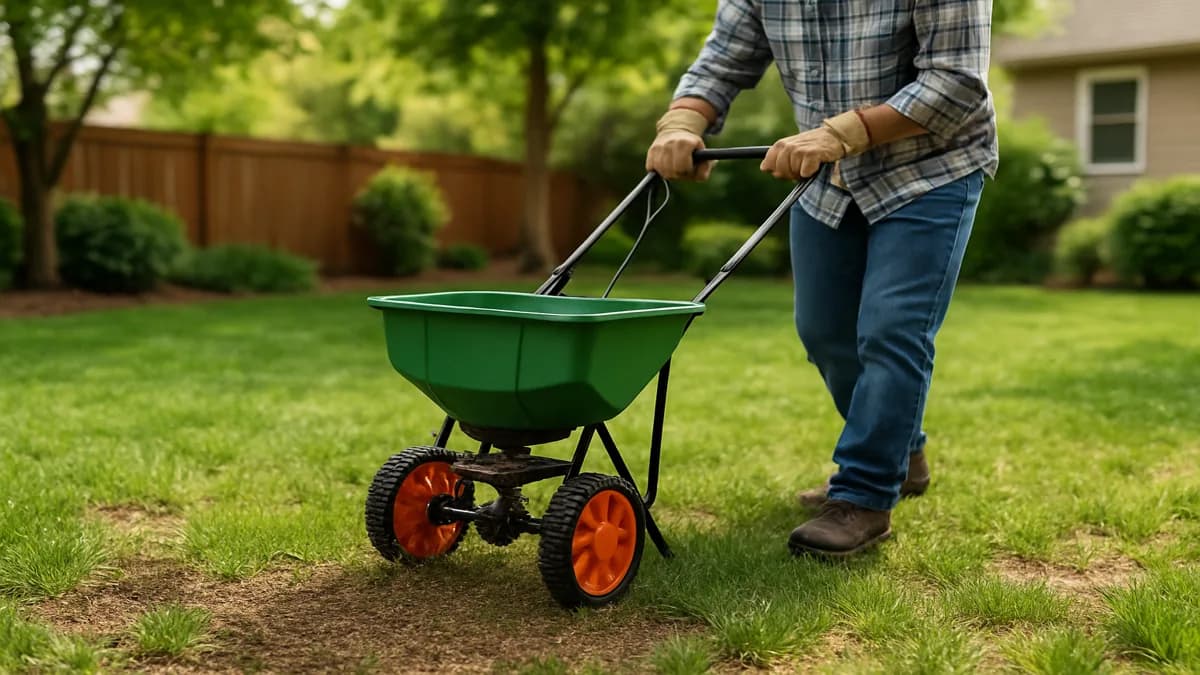
How Often Should You Overseed a Lawn?
Overseeding isn’t a yearly chore for everyone. Here’s how to decide if, when, and how much to overseed,plus the steps that actually matter.
7 min read
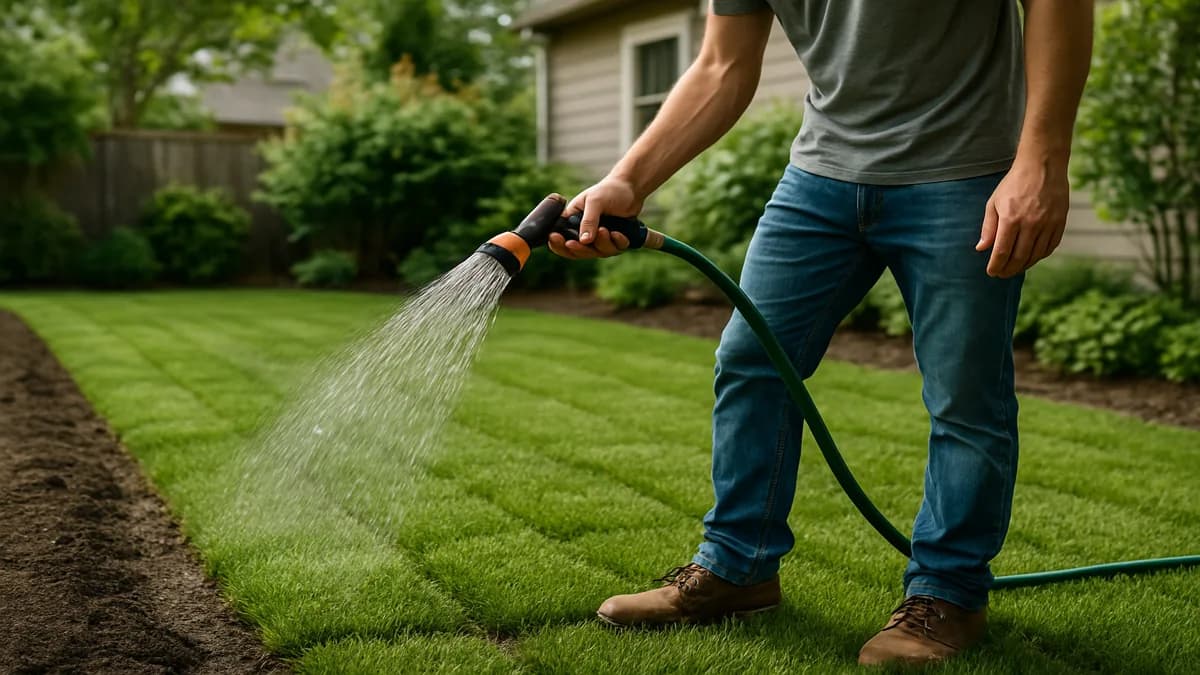
New Sod Care: Watering, Mowing, and Fertilizing Without Wasting Money
New sod is thirsty and fragile. Here’s the watering schedule, mowing timing, and fertilizing tips that actually work in U.S. lawns.
7 min read
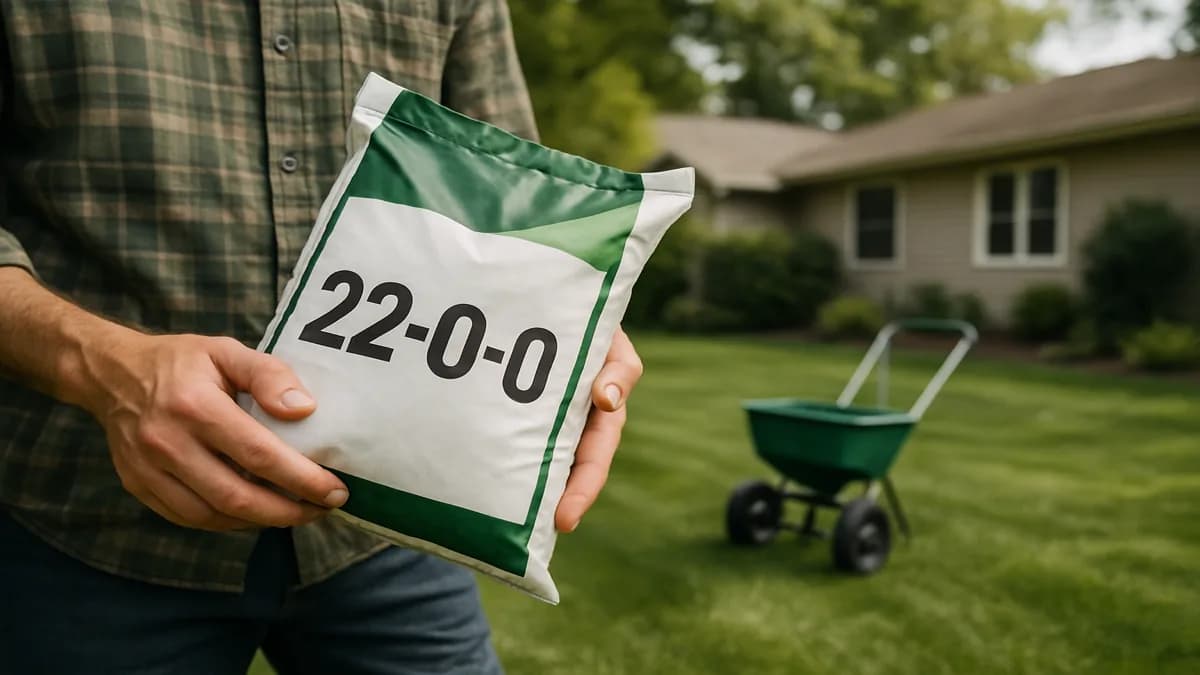
What Fertilizer Numbers Really Mean (NPK and Lawn Fertilizer Math)
Wondering what those fertilizer numbers mean? Here’s how to read NPK ratios, why phosphorus is often zero, and how to figure out the right amount for your grass.
7 min read
Spotted something out of date or wrong? Tell us , we correct guides rather than leaving them to rot.