Homemade Weed Killer: Real-World Results, Risks, and Recipes
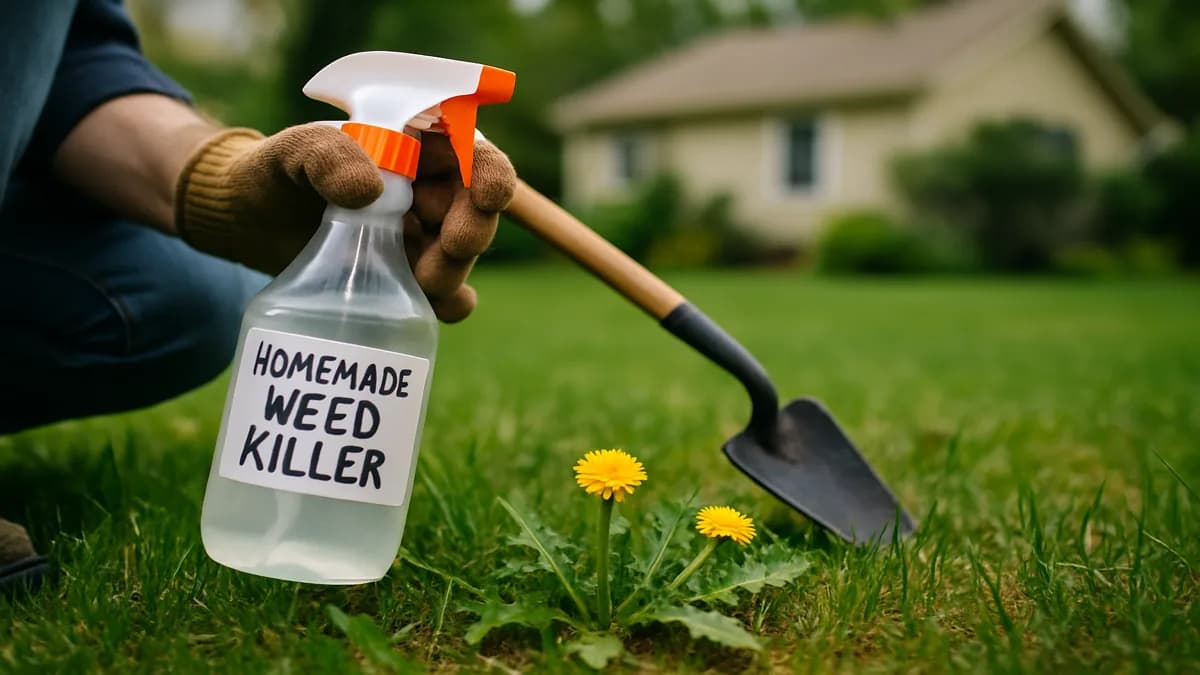
Homemade weed killers like vinegar and salt can zap weeds in cracks, but they’re risky for soil and useless on deep roots. Here’s what works, what fails, and safer options for your lawn.
On this page
- What’s Really in a Homemade Weed Killer Recipe?
- How Homemade Weed Killers Actually Work (and Where They Fail)
- Where Homemade Weed Killers Make Sense
- Worked Example: Treating Driveway Weeds
- The Salt Problem: Why It’s Usually a Bad Idea
- Can You Use Vinegar Weed Killer on Your Lawn?
- Honest Skip-It Scenario: When Homemade Weed Killers Are a Waste
- Where People Mess Up: Overusing Salt or Spraying the Lawn
- Safety: Vinegar Isn’t Harmless
- Comparing Homemade vs. Store-Bought Weed Killers
- What to Do After Spraying
- Alternatives for a Weed-Free Lawn
- Key Takeaways
You’re here because you want to kill weeds,cheaply, quickly, maybe with stuff you already have. Maybe you’ve seen the classic recipe: vinegar, salt, and dish soap. But does it work? Sometimes. Should you use it everywhere? Absolutely not. Here’s what I’ve seen work, what usually goes wrong, and where you’re better off skipping the DIY route.
What’s Really in a Homemade Weed Killer Recipe? (opens in a new tab)
Most DIY weed killer recipes floating around use three ingredients:
- Vinegar (acetic acid): Household vinegar is 5% acetic acid. It burns leaves on contact, but doesn’t reach roots. Horticultural vinegar (20-30%) is much stronger, but it’s dangerous,handle with care.
- Salt (table salt or rock salt): Draws water out of plant cells and disrupts roots. Salt doesn’t break down and can ruin soil for years.
- Dish soap: Just a surfactant. It helps the spray stick to leaves. It won’t kill anything by itself.
Here’s a typical recipe:
| Ingredient | Typical Amount (per gallon) | What It Does |
|---|---|---|
| White vinegar (5%) | 1 gallon | Burns leaves on contact |
| Salt | 1-2 cups | Dries out/kills roots, but ruins soil |
| Dish soap | 1 tablespoon | Helps spray stick |
Skip the salt unless you truly want nothing to grow there, ever.
How Homemade Weed Killers Actually Work (and Where They Fail) (opens in a new tab)
Homemade weed killers are contact herbicides. They kill what they touch,usually just the leaves. Most commercial weed killers for lawns are systemic: they move through the plant to kill roots, too.
| Type | Kills Roots? | How Fast? | Good For | Bad For |
|---|---|---|---|---|
| Vinegar/Soap | No | Hours | Young weeds, cracks | Perennials, lawns |
| Vinegar/Salt | Sometimes | Hours | Driveways, gravel | Anywhere with plants/soil |
| Systemic (e.g., glyphosate) | Yes | 1-2 weeks | Deep-rooted weeds | Near plants you want |
Where Homemade Weed Killers Make Sense (opens in a new tab)
Here’s where DIY weed killers can actually help:
- Weeds in sidewalk or driveway cracks
- Annual weeds in gravel or stone paths
- Clearing small patches before planting (knowing roots may survive)
And where they’re a waste of time or money:
- Lawns: Kills grass and weeds alike. Leaves ugly dead spots.
- Garden beds: Non-selective. Will kill your flowers, veggies, and shrubs if you miss.
- Large areas: Expensive and labor-intensive. You’ll burn through gallons of vinegar for little effect.
Pick the right day
Spray on a hot, sunny, dry day,85°F (29°C) or warmer. Sun bakes the leaves and speeds up the kill. Don’t spray before rain or on windy days.Target young, small weeds
Seedlings and shallow-rooted weeds die fastest. Mature weeds with deep roots will regrow.Soak the leaves
Spray until leaves are dripping. Missed spots will survive. Don’t bother spraying soil,it won’t help.Keep off what you want to keep
Shield nearby plants. Drift or overspray can kill anything green it touches.Repeat as needed
Some weeds or new sprouts will need a second round in a week or two.
Worked Example: Treating Driveway Weeds (opens in a new tab)
Let’s say you have a 50-foot driveway with weeds in the cracks. Here’s what you’ll need:
- Area to treat: About 100 linear feet of cracks (both sides)
- Mix: 1 gallon white vinegar (5%), 1 tablespoon dish soap
- Cost: About $3 for vinegar, pennies for soap
- Time: 15-20 minutes to spray
- Results: Young weeds wilt in hours. Dandelions, thistle, or anything with a taproot will regrow,expect to respray or dig out.
The Salt Problem: Why It’s Usually a Bad Idea (opens in a new tab)
Salt works, but it’s a blunt instrument. Here’s what usually happens:
- Salt moves: Rain or irrigation pushes salt sideways and down. It can kill grass, trees, or shrubs you never meant to harm,even months later.
- Salt lingers: It doesn’t break down. Soil can stay dead for years, especially in clay or poorly drained spots.
- Salt corrodes: It can damage concrete, bricks, and metal edging.
Can You Use Vinegar Weed Killer on Your Lawn? (opens in a new tab)
No. Vinegar (even without salt) will brown and kill grass just as fast as it kills weeds. If you spray a patch of lawn, expect a dead spot. It doesn’t care if it’s crabgrass or Kentucky bluegrass,it’ll burn both.
If you want to control weeds in your lawn, you need a different approach:
- Mow high: Taller grass shades out weed seedlings. Set your mower to 3-4 inches for most cool-season lawns.
- Overseed bare spots: Weeds love open soil. Thick turf crowds them out. See: how often to overseed your lawn.
- Pull perennials by hand: For dandelions and plantain, use a weeding tool after rain. Get the whole root if you can.
- Feed your grass, not the weeds: Use the right fertilizer for your grass type. Too much or too little invites weeds. See: fertilizer numbers explained.
For a natural pre-emergent, check out corn gluten meal. It won’t kill existing weeds, but it can help prevent new ones if applied at the right time.
Honest Skip-It Scenario: When Homemade Weed Killers Are a Waste (opens in a new tab)
If you’re dealing with a lawn full of dandelions, clover, or creeping Charlie, don’t bother with vinegar or salt. You’ll kill the grass, not the roots, and the weeds will return. For these jobs, you’re better off with targeted pulling, overseeding, or a selective herbicide.
Where People Mess Up: Overusing Salt or Spraying the Lawn (opens in a new tab)
The most common mistake I see: folks get frustrated, add extra salt, and spray right up to the edge of their lawn or garden. A month later, their shrubs or grass start dying along the border. Salt doesn’t stay put. Less is more,if you use it at all.
Safety: Vinegar Isn’t Harmless (opens in a new tab)
- Household vinegar (5%) is pretty safe, but keep it out of eyes and cuts.
- Horticultural vinegar (20-30%) can cause real burns and permanent eye damage. Always wear goggles and chemical-resistant gloves. Some states require a pesticide license to buy or use it.
- Salt can burn skin, and runoff can harm pets and wildlife.
- Dish soap can irritate skin, especially in concentrated mixes.
If you spill, rinse with plenty of water. Keep kids and pets off treated areas until dry.
Comparing Homemade vs. Store-Bought Weed Killers (opens in a new tab)
| Product Type | Kills Roots? | Safe for Lawns? | Cost per 1,000 sq ft | Replant Interval | DIY or Store? |
|---|---|---|---|---|---|
| Vinegar/Soap | No | No | $3-5 | Immediate | DIY |
| Vinegar/Salt/Soap | Sometimes | No | $3-6 | Months-years (salt) | DIY |
| Glyphosate (Roundup) | Yes | No | $8-12 | 1-2 weeks | Store |
| Lawn-safe selective | Yes (broadleaf) | Yes | $10-15 | None | Store |
| Corn gluten meal | No (prevents only) | Yes | $20-40 | None | Store |
What to Do After Spraying (opens in a new tab)
- Wait 1-2 days: Most weeds wilt within hours, but give it a day or two for full effect.
- Remove dead weeds: Pull or rake out dead growth. For perennials, dig out roots if you want them gone for good.
- Replanting: If you skipped salt, you can replant as soon as the area is clear. If you used salt, wait months,or longer,before anything will grow.
Alternatives for a Weed-Free Lawn (opens in a new tab)
- Topdress with compost: Improves soil and helps turf outcompete weeds. See: how to topdress your lawn.
- Rake up leaves: Don’t let leaves smother your grass or create bare spots for weeds. See: best ways to clean up leaves.
- Hydroseeding: For large bare areas, consider DIY hydroseeding.
Key Takeaways (opens in a new tab)
- Homemade weed killers work on young weeds in hardscape, not on deep-rooted perennials or lawns.
- Vinegar burns leaves but doesn’t kill roots; salt is effective but ruins soil and spreads.
- Never use homemade mixes on your lawn or near plants you want to keep.
- For lawns, focus on thick turf, proper mowing, and targeted pulling.
- Always handle strong vinegar and salt with care,natural doesn’t mean harmless.
Frequently asked questions
Calculators for this job
Keep reading
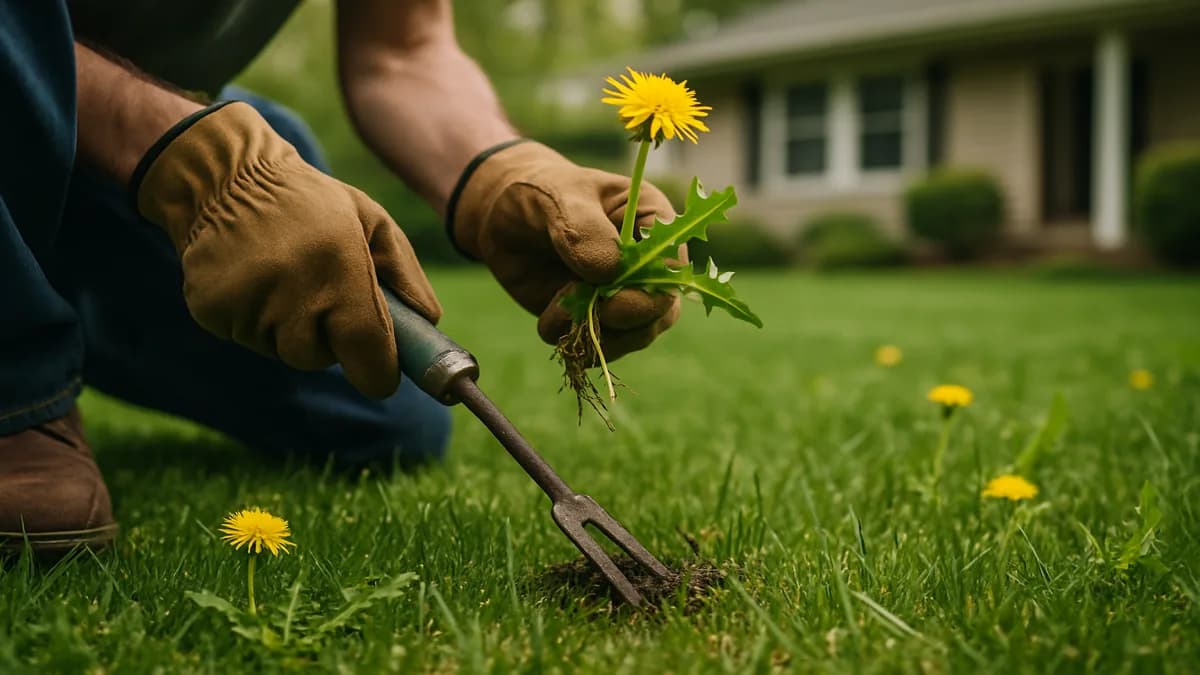
How to Actually Get Rid of Dandelions (Not Just the Flowers)
Dandelion taproots make them stubborn. Here’s how to remove or kill dandelions so they don’t return, plus when to act and when to just let them be.
6 min read
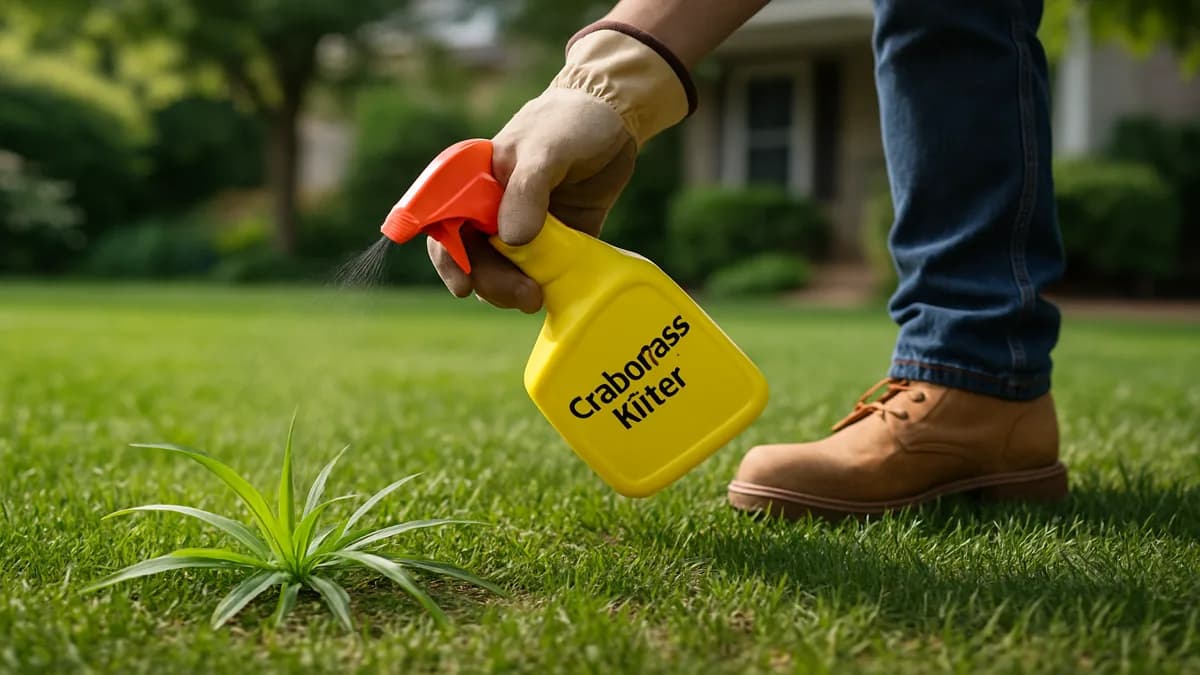
Crabgrass Killer: What Actually Works (and What Doesn’t)
Crabgrass keeps coming back because most folks miss the timing or use the wrong product. Here’s how to kill crabgrass, prevent it, and avoid wasted effort.
7 min read
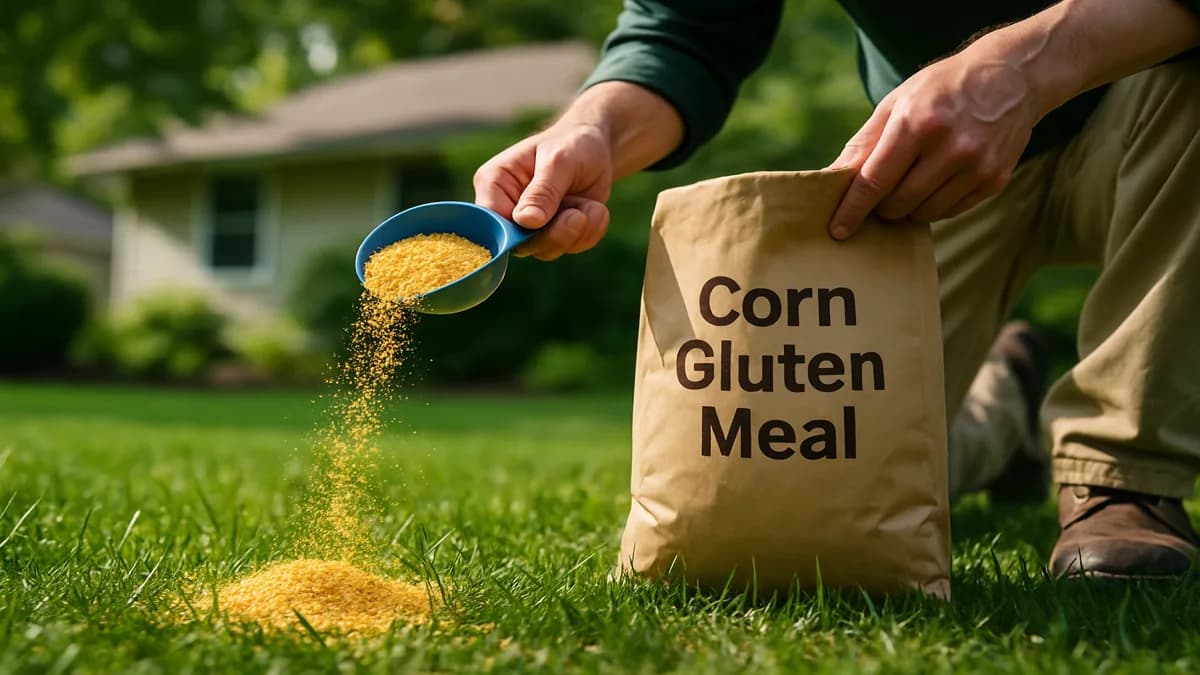
Corn Gluten Meal for Lawns: Honest Results, Rates, and When to Skip It
Corn gluten meal offers some weed suppression and a hefty nitrogen boost, but it’s pricey, inconsistent, and not for every lawn. Here’s what works, what doesn’t, and how to avoid wasting your money.
7 min read
Spotted something out of date or wrong? Tell us , we correct guides rather than leaving them to rot.