How to Level a Bumpy Lawn: Topdress, Fill, or Regrade
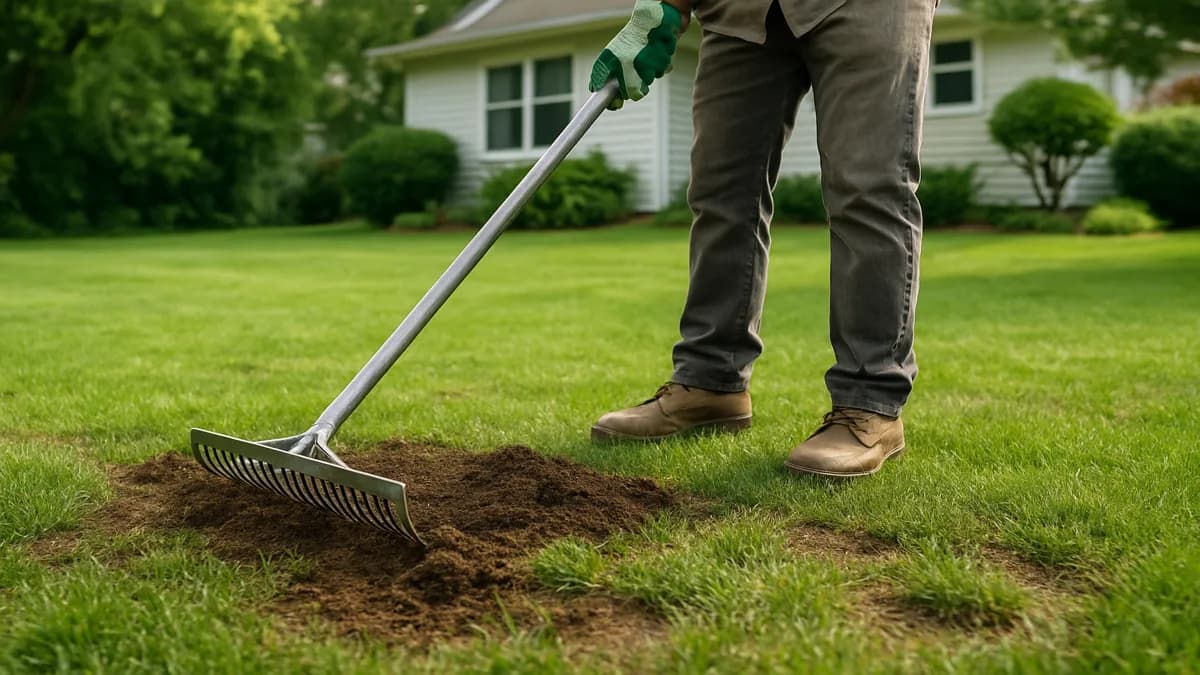
A bumpy lawn needs the right fix for the size and cause of the bumps. Small dips get topdressing. Bigger settled spots need turf lifted, filled, and reset.
On this page
- Diagnose the Bumps First
- Pick the Right Leveling Method
- Choose Leveling Material Carefully
- Method 1: Light Topdressing for Shallow Bumps
- Method 2: Strip, Fill, and Reset Deeper Dips
- Worked Example: Filling a Settled Strip
- What About a Whole Bumpy Lawn?
- When to Skip Leveling
- Common Lawn Leveling Mistakes
- Aftercare
Level a bumpy lawn by first finding the cause, then matching the repair to the depth of the problem. Light ripples and shallow dips can be topdressed in thin layers. Deeper sunken spots need turf cut, soil added underneath, and the grass reset so you do not smother it.
Assumptions for this guide: a U.S. home lawn with living turf, bumps caused by normal settling, mole damage, freeze-thaw movement, traffic, or shallow low spots, and no major drainage redesign. If the lawn has standing water after every rain, leveling the surface is only part of the fix.
Diagnose the Bumps First (opens in a new tab)
Bumps are symptoms. The repair changes depending on whether the soil settled, animals tunneled, frost lifted the surface, roots grew near the top, or mowing exposed high and low spots.
| What You See | Likely Cause | Best First Fix |
|---|---|---|
| Soft raised tunnels | Moles or other burrowing activity | Remove pest activity, then flatten and fill |
| Random shallow ripples | Settling, freeze-thaw, old footprints | Light topdressing over several passes |
| Sharp sunken trench | Old utility line, edging, or poor backfill | Cut turf, fill soil, reset sod |
| Scalped high ridges | Uneven grade or mower bounce | Topdress lows and reduce ridges carefully |
| Wet yellow low spots | Drainage, compaction, or overwatering | Fix water movement before cosmetic leveling |
| Tree-root humps | Surface roots | Adjust expectations, do not bury roots deeply |
Mole tunnels need their own repair order. Stop active tunneling first, then use how to repair mole damage in your yard for flattening runs, handling mounds, and reseeding bare spots.
If low spots are also yellow, thin, or sour-smelling, read yellow grass causes and treatment before adding soil. Grade may be one piece of the problem, but water, disease, fertilizer, and compaction can look similar from the sidewalk.
Pick the Right Leveling Method (opens in a new tab)
Use the least aggressive repair that actually fixes the depth. A lawn can recover from a thin layer of screened material during active growth. It cannot recover from being buried under two inches of heavy fill.
| Depth or Problem | Method | Material Depth | Notes |
|---|---|---|---|
| Less than 1/2 inch | Light topdressing | 1/4 to 1/2 inch | Grass blades must remain visible |
| 1/2 to 1 inch | Staged topdressing | Several thin passes | Wait for turf to grow between passes |
| More than 1 inch | Cut, lift, fill, reset | Fill under turf | Best for sharp dips |
| Bare low spot | Fill and seed | To finished grade | Use seed suited to the lawn |
| Whole-yard slope | Regrade | Varies | Often needs equipment |
For a fuller look at materials and timing, use topdressing your lawn. If compaction caused the bumps, pair leveling with when to aerate your lawn so water and roots move better after the repair.
Choose Leveling Material Carefully (opens in a new tab)
Screened compost, screened topsoil, or a compost-topsoil blend works for most homeowner lawns. The material should be dry enough to spread, fine enough to rake through grass, and free of chunks, trash, and weed roots.
Match the material to the goal. Compost improves soil and helps shallow leveling, but it settles. Topsoil holds grade better, but it can seal the surface if it is heavy clay. A blend is often the practical middle choice.
| Material | Best Use | Avoid When |
|---|---|---|
| Screened compost | Minor ripples, soil improvement | You need a firm grade change |
| Screened topsoil | Filling low areas under lifted turf | It is sticky clay or full of weed seed |
| 50/50 compost-topsoil blend | General homeowner leveling | You need very precise sports-turf leveling |
| Sand | Sandy lawns and matching root zones | You have clay, drainage issues, or unknown soil |
| Existing mound soil | Mole mounds, small repairs | It contains rocks, weeds, or debris |
A soil test will not tell you every grading answer, but it helps when thin turf keeps failing after repairs. Start with how to soil test your lawn if you have not tested in a few years.
Method 1: Light Topdressing for Shallow Bumps (opens in a new tab)
Topdressing is the right repair when the lawn feels washboarded but the grass is alive. Mow first at the normal height, bag or remove clippings if they are heavy, and water the lawn the day before if the soil is dry.
Spread a thin layer of screened material over the bumpy area. Use the back of a rake, leveling rake, or push broom to work material into low spots. Stop when grass blades still poke through. If the lawn looks buried, you went too far.
Water lightly after spreading to settle dust and move fines into the canopy. Then give the grass time to grow through before repeating. On most lawns, several patient passes beat one smothering pass.
Method 2: Strip, Fill, and Reset Deeper Dips (opens in a new tab)
Use this method for low spots deeper than about 1 inch, especially if the turf is healthy. Slice three sides of the turf with a flat shovel or half-moon edger, then peel it back like a flap. Keep roots damp and shaded while you work.
Add screened topsoil beneath the lifted turf, firm it by hand or foot, and check the height against the surrounding lawn. Reset the turf, press edges together, and water deeply. The repaired patch should sit slightly proud only if the fill is loose and expected to settle. Do not leave a mound that will scalp.
For bare depressions, fill to grade and seed instead of replacing turf. If the lawn is thin overall, pair the repair with how often to overseed your lawn so the new grade does not become a weed nursery.
Worked Example: Filling a Settled Strip (opens in a new tab)
A side-yard strip settled where an old drain line was backfilled. The low area is 3 feet wide, 18 feet long, and about 1 inch deep.
| Step | Math | Result |
|---|---|---|
| Area | 3 ft x 18 ft | 54 sq ft |
| Depth | 1 inch / 12 | 0.083 ft |
| Volume | 54 x 0.083 | 4.5 cu ft |
| Cubic yards | 4.5 / 27 | 0.17 cu yd |
| Practical order | Round for waste | About 0.25 cu yd or several bags |
Because the depression is about 1 inch deep, cut and lift the turf rather than dumping 1 inch of soil on top. Use the fill underneath, reset the grass, and water the patch like newly disturbed sod.
What About a Whole Bumpy Lawn? (opens in a new tab)
A whole bumpy lawn needs patience. If bumps are mild, mark the worst sections and topdress in thin passes during the correct season. If the mower bounces everywhere, the lawn may need core aeration, multiple leveling passes, overseeding, or a full renovation.
Cool-season lawns usually handle this work best in early fall. Warm-season lawns recover best in late spring to early summer. Do not level aggressively during drought, dormancy, or right before a hard freeze.
When to Skip Leveling (opens in a new tab)
Skip cosmetic leveling when the cause is still active. That includes active mole tunneling, irrigation leaks, soggy low areas, construction traffic that will return next week, or tree roots that keep lifting the surface. Fix the cause first.
Also skip heavy topdressing on weak, dormant, or heat-stressed grass. A thin compost dusting may be fine, but serious leveling asks the lawn to grow. If the grass is not growing, it cannot recover.
Common Lawn Leveling Mistakes (opens in a new tab)
The fastest way to make a bumpy lawn worse is to hide the symptoms under the wrong material.
- Burying grass under more than 1/2 inch of material in one pass
- Using straight sand over clay soil
- Leveling before stopping mole activity
- Filling wet soil and compacting it into a hard pan
- Ignoring drainage that caused the low spot
- Adding cheap unscreened soil full of rocks and weeds
- Trying to fix tree roots by piling soil over them
- Forgetting to water repaired turf
If you are unsure about the material, test a small area first. Spread a thin layer, water it in, and watch how the grass responds for two weeks. A lawn is easier to correct one section at a time than after a full-yard mistake.
Aftercare (opens in a new tab)
Keep repaired areas evenly moist until grass recovers. For lifted turf, treat the repair much like fresh sod for the first week: water enough to keep roots and soil in contact, then taper as the patch grabs. For seeded bare spots, keep the seedbed damp and avoid mowing turns on the repair until seedlings are established.
Do not fertilize blindly to "wake up" a leveled spot. If the lawn needs nutrients, apply the right product at the label rate. If the real issue is compacted soil or trapped water, fertilizer only makes the wrong problem greener for a few days.
Leveling is not a one-afternoon beauty trick. It is small grade work. Diagnose the cause, choose a material that matches your soil, add only what living grass can tolerate, and give the repair time to knit back in.
Frequently asked questions
Calculators for this job
Topsoil Calculator
Topsoil is heavy, roughly a ton per cubic yard, so knowing the weight matters as much as the volume. Enter your area and depth for yards, bags, and delivered tonnage.
OpenCompost Calculator
Compost gets applied far thinner than mulch or soil, and the right depth depends entirely on the job. Enter your area and pick the application to get volume, bags, and cost.
OpenLawn Area Calculator
Almost every other lawn number depends on this one. Break your yard into simple shapes, subtract the parts that aren't grass, and get a square footage you can use for seed, fertilizer, and quotes.
OpenSand Calculator
Enter your area and depth for sand volume in cubic yards, tons, and 50 lb bags. Includes the right sand type and layer thickness for paver bedding, which is where most sand estimates go wrong.
OpenKeep reading
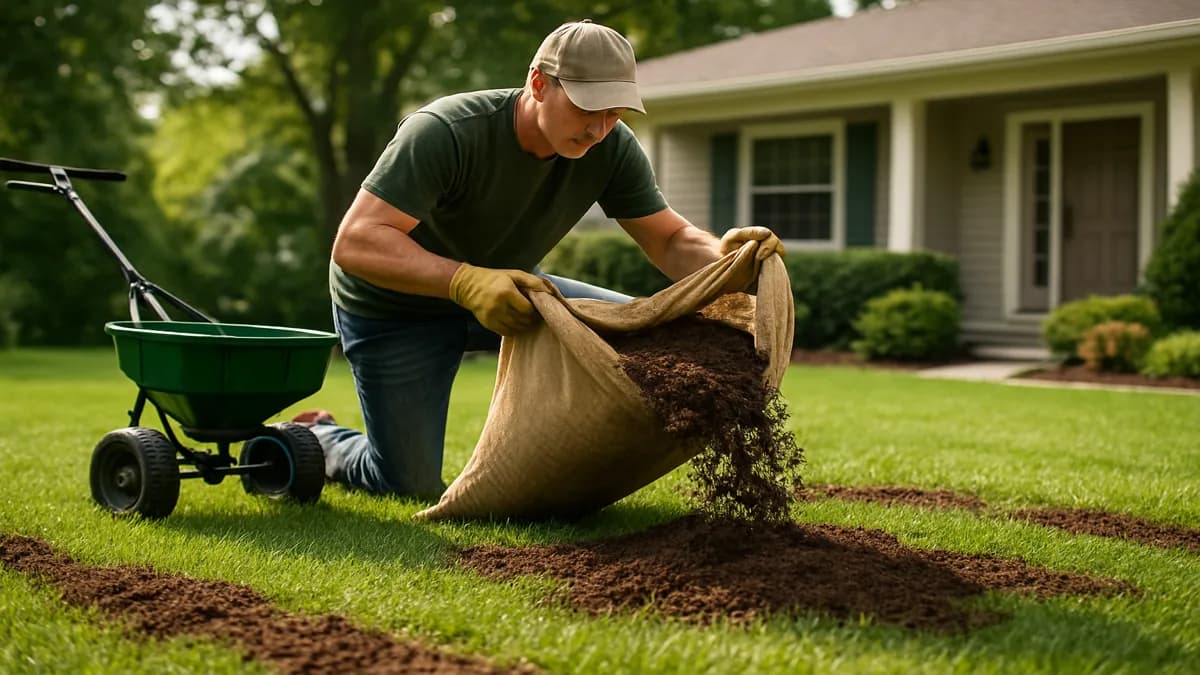
Topdressing Your Lawn: Real Advice for Healthier, Smoother Grass
Topdressing means spreading a thin layer of compost or soil over your lawn to fix bumps, improve soil, and help grass grow. The trick is never to bury the grass.
6 min read
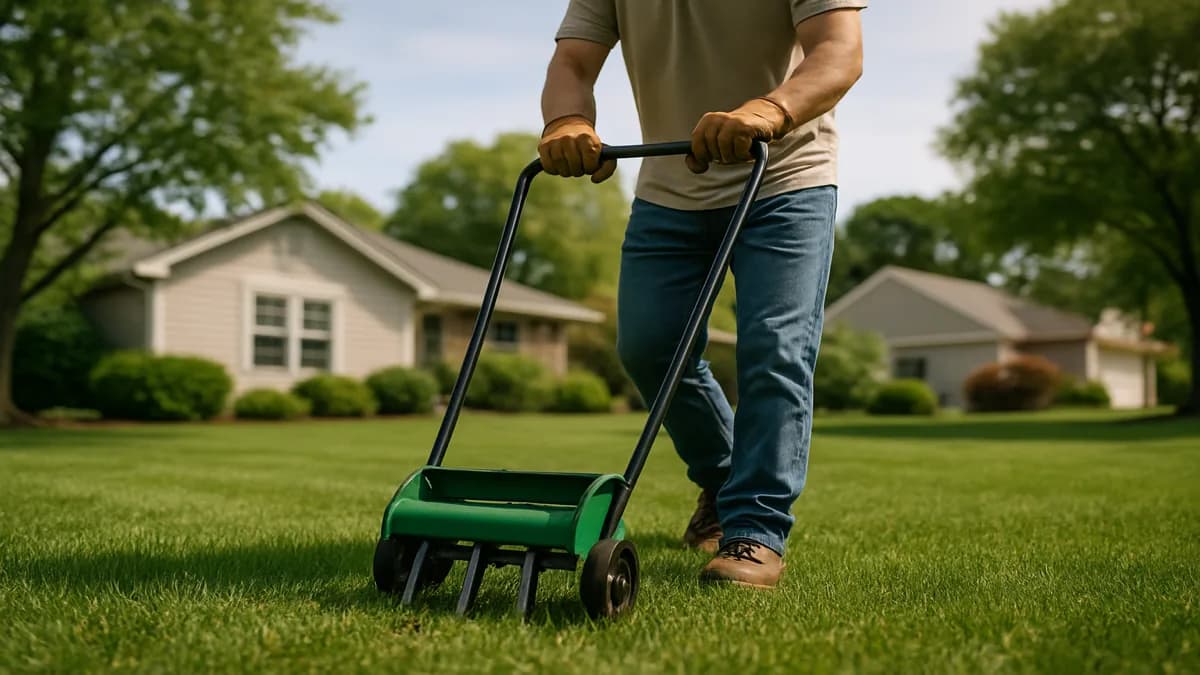
When to Aerate Your Lawn (Cool-Season vs Warm-Season)
Aerate when grass is growing hard enough to recover. Fall for cool-season lawns, late spring to early summer for warm-season lawns.
6 min read
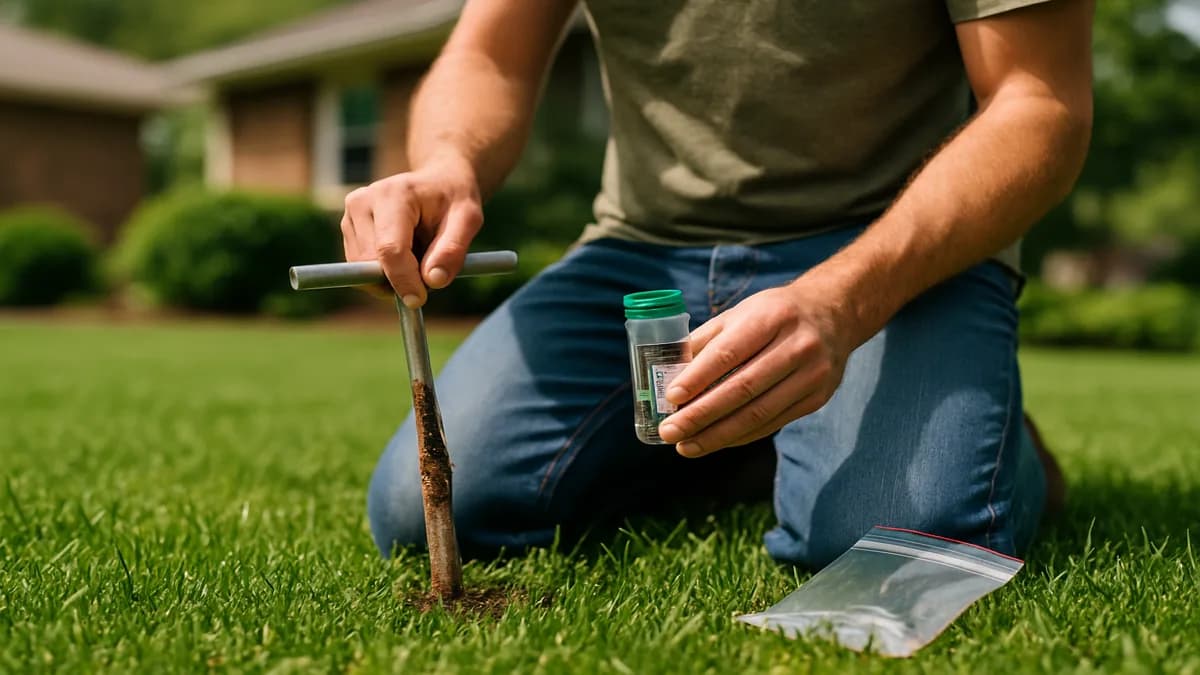
How to Soil Test Your Lawn (and Actually Use the Results)
A soil test replaces fertilizer guesswork with numbers. Here’s how to sample, read the report, and turn results into a plan.
6 min read
Spotted something out of date or wrong? Tell us , we correct guides rather than leaving them to rot.