Winterizing Your Garden: What Actually Matters
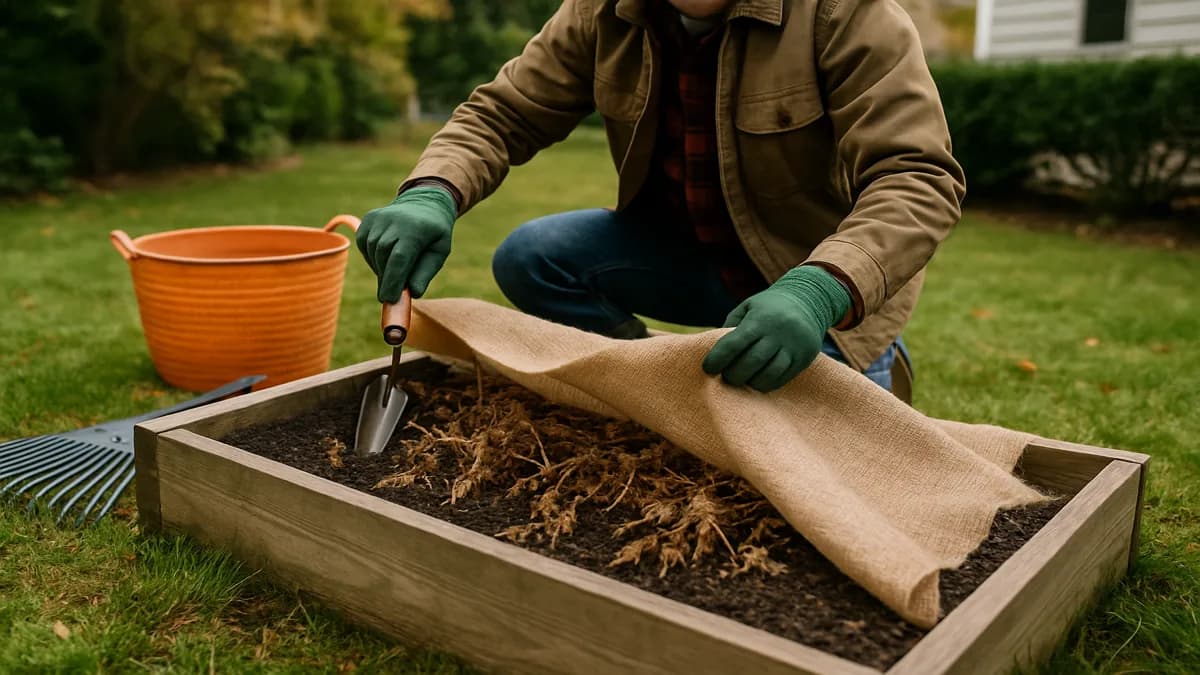
Winter garden prep isn’t about wrapping everything in burlap. Here’s what actually matters for healthy beds, roses, and irrigation,plus what you can skip.
On this page
- What Changes by USDA Zone
- Timing: When to Do What
- Beds and Perennials: What to Cut, What to Leave
- Weeding: Now or Regret It Later
- Mulching: For Stability, Not Warmth
- Roses: Don’t Baby Them,Unless You Have To
- Trees and Shrubs: Water, Mulch, Protect
- Vegetable Beds: Don’t Leave a Mess
- Containers: The Weak Link
- Irrigation and Water: Don’t Skip This
- Ponds: Fish and Hardware
- Where People Mess Up: Mulching Too Early
- Skip It: Wrapping Most Shrubs and Perennials
- Worked Example: Mulching a 200 sq ft Bed
- Winterizing Checklist: What to Do and When
- More Resources
You’re here because you want your garden to survive winter without a bunch of dead plants or cracked pipes come spring. You’re probably wondering: What do I actually need to do, and what’s just busywork?
Here’s the short answer: Focus on protecting roots from freeze-thaw cycles, keeping soil from getting waterlogged, watering deeply before the ground freezes, and mulching at the right time. Most wrapping and elaborate covers are a waste unless you’re growing something truly tender.
What Changes by USDA Zone (opens in a new tab)
Where you live changes what you need to do. Here’s how winter hits different zones:
| USDA Zone | Typical Winter | What to Watch Out For |
|---|---|---|
| 3-5 | Deep, steady cold, snow cover | Rodent damage, root heaving, dry evergreens |
| 6-7 | Freeze-thaw cycles, less snow | Roots pushed out, mulch timing, wind burn |
| 8-9 | Mild, rare hard freezes | Sudden cold snaps, soggy soil, frost on tender plants |
| 10-11 | Frost-free, warm | Not much to do,maybe drainage after rain |
On most lawns in zones 6 and 7, I see the most winter losses,not from cold, but from roots getting shoved out of the soil by freeze-thaw cycles. In zones 3-5, steady snow cover is actually protective. If you’re in 8 or warmer, you’re mostly off the hook.
Timing: When to Do What (opens in a new tab)
You can’t winterize in one afternoon. Here’s a rough order:
- 4-6 weeks before first hard frost: Stop fertilizing. Late nitrogen makes plants soft and vulnerable.
- After first light frost: Start cleanup. Pull annuals, cut back what needs it.
- Before ground freezes: Water deeply, plant bulbs, drain hoses and irrigation.
- After ground freezes: Mulch beds, mound roses, wrap young trees if needed.
Beds and Perennials: What to Cut, What to Leave (opens in a new tab)
Don’t scalp your beds. Here’s what I tell folks:
- Cut back: Anything diseased (throw it away, not in the compost), peonies, iris, or plants that collapse into a soggy mess.
- Leave standing: Coneflowers, black-eyed Susans, ornamental grasses, sedum. These catch snow, feed birds, and give pollinators a winter home.
If you want a tidy look, wait until spring. Cutting everything now removes natural insulation and habitat.
Weeding: Now or Regret It Later (opens in a new tab)
Fall is when winter annual weeds sneak in. Pull them now or you’ll have a mess in April.
Mulching: For Stability, Not Warmth (opens in a new tab)
You want 2-4 inches of mulch (shredded bark, pine needles, or leaves) after the ground freezes. The goal is to keep soil temperature steady, not warm. Keep mulch a few inches away from plant crowns to prevent rot.
Roses: Don’t Baby Them,Unless You Have To (opens in a new tab)
- Zones 7 and up: Most roses don’t need special treatment.
- Zone 6: After the ground freezes, mound 8-12 inches of soil or compost over the graft (the swollen part near the base).
- Zone 5 and colder: Add a rose collar and fill with leaves or bark for extra insulation.
Don’t prune roses hard in fall. Just shorten long canes so they don’t whip in the wind. Major pruning waits for spring. Own-root and shrub roses are much tougher than grafted hybrid teas.
Trees and Shrubs: Water, Mulch, Protect (opens in a new tab)
- Water: Deeply right up until the ground freezes. Evergreens especially need it.
- Mulch: 2-3 inches out to the drip line, but keep clear of the trunk.
- Wrap: Young or thin-barked trees (maples, fruit trees) with white tree wrap or guards to prevent sunscald.
- Rodent guards: Put hardware cloth or plastic guards around trunks before snow comes.
- No late fertilizer: It does more harm than good this time of year.
Vegetable Beds: Don’t Leave a Mess (opens in a new tab)
- Remove: All diseased plants. Healthy stuff can stay or go in the compost.
- Compost: Spread 1-2 inches over the bed. It’ll break down and feed the soil.
- Cover crops: If you’re quick, sow winter rye or clover. Rye is most forgiving if you’re late.
- No fall tilling: It exposes soil to erosion and kills structure. Let roots rot in place.
Containers: The Weak Link (opens in a new tab)
Pots freeze harder than ground. Here’s what usually happens: Roots die if left exposed.
- Hardiness: Assume potted plants are two zones less hardy than in-ground.
- Move: Pots to an unheated garage or shed if you can.
- Group: Against a south or east wall, wrap with burlap or bubble wrap.
- Elevate: On pot feet so water drains.
- Empty: Terracotta and ceramic pots. Water expands and cracks them.
- Water: Evergreens in pots occasionally, even in winter.
Irrigation and Water: Don’t Skip This (opens in a new tab)
- Blow out: Sprinkler systems if you get hard freezes. Expect $75-165 for a pro, but it’s cheaper than fixing split pipes.
- Drain hoses: Coil and store. Water left inside will split them.
- Shut off: Outdoor spigots and drain them. Never leave hoses attached.
- Rain barrels: Drain or flip over so they don’t crack.
Ponds: Fish and Hardware (opens in a new tab)
- Remove: Pumps and filters not rated for freezing.
- De-icer: Use a floating heater to keep a hole in the ice. Never smash ice,it shocks fish.
- Net: Ponds in fall to keep leaves out. Rotting leaves use up oxygen.
- Stop feeding: Fish when water drops below 50°F. They can’t digest food in cold water.
For more, see Koi Pond Maintenance.
Where People Mess Up: Mulching Too Early (opens in a new tab)
Every fall, I see folks pile on mulch before the ground freezes. That’s a mistake. Early mulch keeps soil warm, delays dormancy, and gives mice a cozy home. Wait until the soil is frozen on top.
Skip It: Wrapping Most Shrubs and Perennials (opens in a new tab)
Unless you’re growing camellias in Minnesota or just planted a shrub this fall, skip the burlap and plastic wraps. They trap moisture and cause rot. Mulch and rodent guards do more good.
Worked Example: Mulching a 200 sq ft Bed (opens in a new tab)
Say you want 3 inches of mulch on a 200 sq ft bed.
- Area: 200 sq ft
- Depth: 3 inches (0.25 ft)
- Volume: 200 × 0.25 = 50 cubic feet
- 1 cubic yard = 27 cubic feet, so you need about 1.85 cubic yards
- If bags are 3 cubic feet, you’ll need about 17 bags
- At $4 per bag, that’s $68
Winterizing Checklist: What to Do and When (opens in a new tab)
| Task | Best Timing |
|---|---|
| Stop fertilizing | 4-6 weeks before first frost |
| Plant spring bulbs | Before ground freezes |
| Cut back diseased plants | After first frost |
| Weed beds | After first frost |
| Water deeply | Until ground freezes |
| Winterize irrigation | Before first hard freeze |
| Drain hoses and spigots | Before first hard freeze |
| Move/protect containers | Before first hard freeze |
| Wrap young tree trunks | Before hard freeze |
| Install rodent guards | Before snow cover |
| Mulch beds | After ground freezes |
| Sharpen/oil tools | Any time during winter |
More Resources (opens in a new tab)
- Types of Organic Mulch: Pick the right mulch for winter.
- Best Ways to Clean Up Leaves in Your Yard: Don’t let leaves smother your lawn or beds.
- 11 of the Best Privacy Hedges: Good time to plan for spring planting.
- Flowering Vines for Your Yard: Some vines need winter protection in cold zones.
- Mulch Calculator: How Much Mulch Do You Need?: Get the math right.
If you do nothing else, mulch after the ground freezes, drain your irrigation, and water evergreens well. That’s where most people mess up. Skip the fancy wraps unless you’re growing something fussy. Your garden will thank you in spring.
Frequently asked questions
Calculators for this job
Mulch Calculator
Enter your bed dimensions and how deep you want the mulch. You'll get cubic yards, the number of 2 cu ft bags, delivered weight, and whether bags or bulk works out cheaper at that volume.
OpenCompost Calculator
Compost gets applied far thinner than mulch or soil, and the right depth depends entirely on the job. Enter your area and pick the application to get volume, bags, and cost.
OpenIrrigation Calculator
Find out how much water your lawn or garden actually needs each week, in both inches and gallons, and how to split it across the week for your soil type.
OpenKeep reading
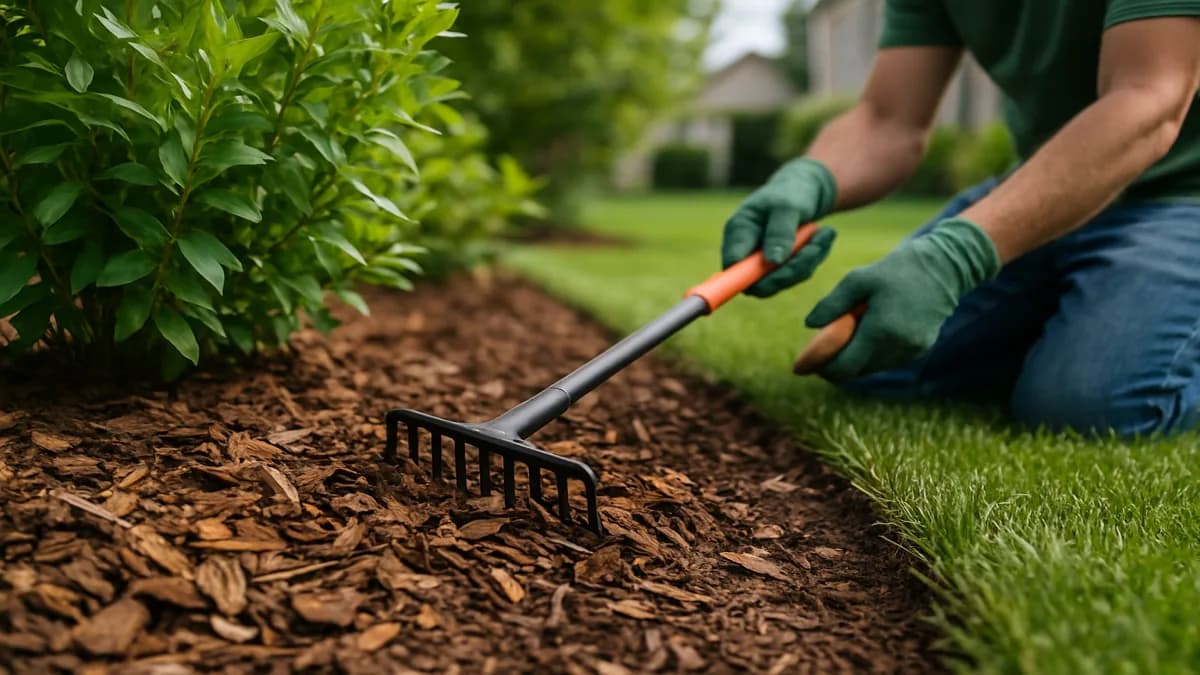
Which Organic Mulch Is Best? Real Advice for Beds, Slopes, and Veggie Gardens
Not all organic mulches are equal. Here’s how to pick the right one for your beds, slopes, or vegetable patch,without wasting money or time.
7 min read
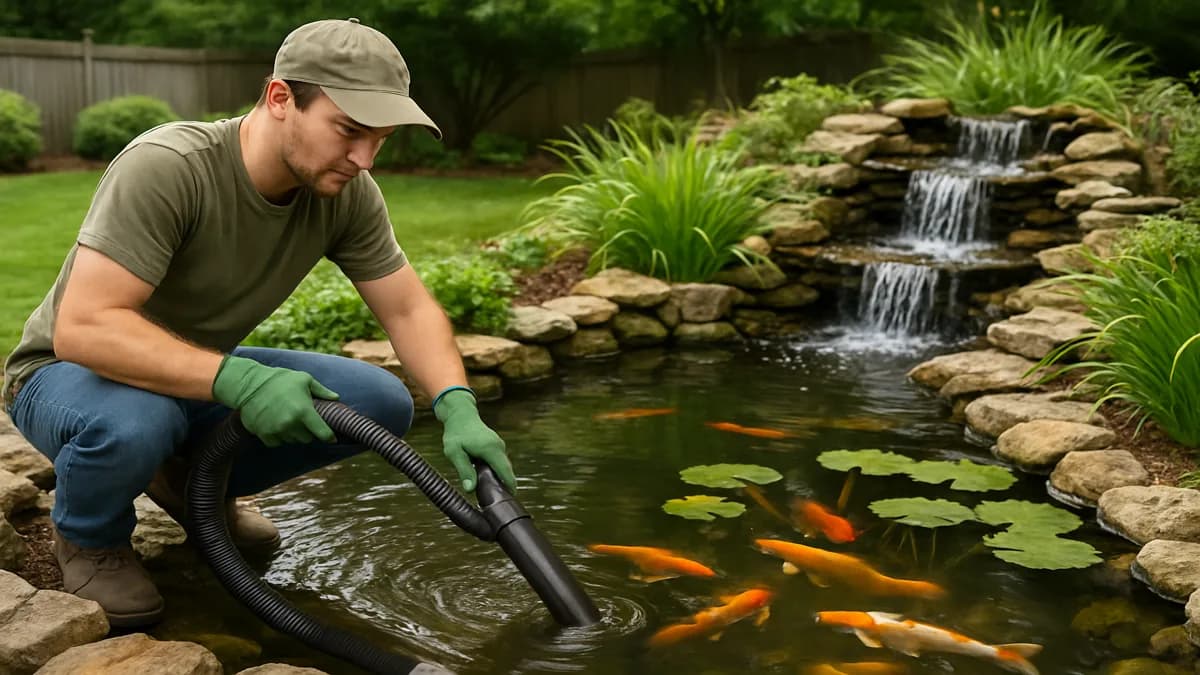
Real-World Koi Pond Maintenance: Water Quality, Filtration, and Troubleshooting
If your koi pond water is cloudy, green, or just smells off, here’s how to get it back on track,without wasting time or money.
6 min read
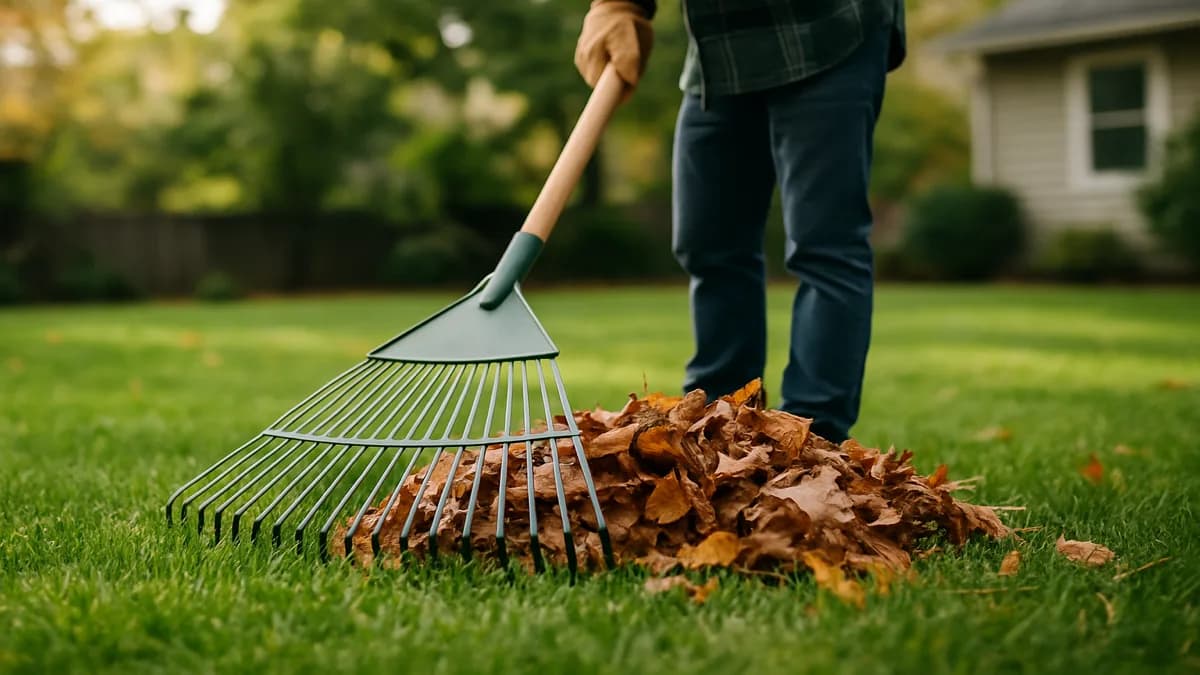
How to Clean Up Leaves Without Wrecking Your Lawn
Mulch-mowing leaves is usually best, but thick layers need removal. Here’s how to clean up leaves the right way for your lawn and climate.
7 min read
Spotted something out of date or wrong? Tell us , we correct guides rather than leaving them to rot.