Rainwater Collection Laws: What’s Legal, What’s Not, and Where People Mess Up
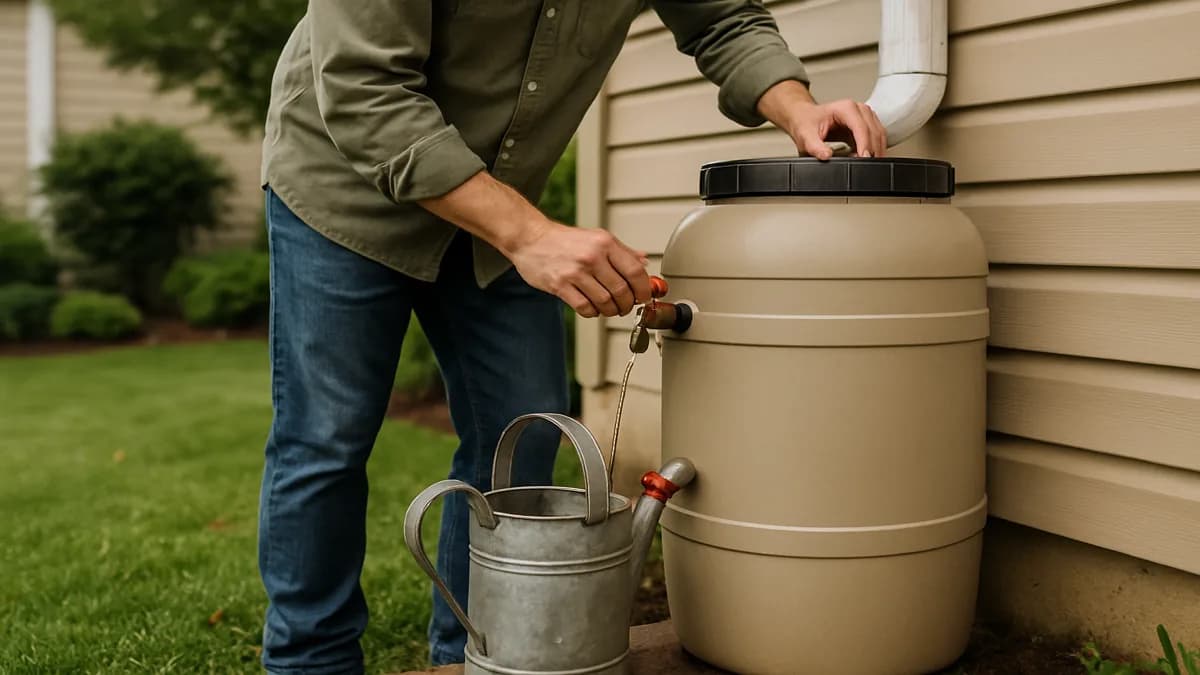
Rainwater collection is legal in all 50 states, but the rules and incentives are all over the map. Here’s what actually matters for homeowners.
On this page
- Why the Rules Are So Weird
- Where Rainwater Collection Gets Tricky
- What Usually Happens: A Real Example
- How Much Rainwater Can You Actually Collect?
- Where People Mess Up
- When to Skip Rainwater Collection
- Step-by-Step: Setting Up a Basic Rain Barrel
- What Can You Use Rainwater For?
- Cold Weather? Don’t Forget This
- Rebates and Incentives: Where to Look
- Related Reading
- The Bottom Line
So, you’re wondering if it’s illegal to collect rainwater. Short answer: No, not anywhere in the U.S. But the rules, limits, and incentives for rain barrels and bigger systems are all over the place. Some states practically hand you a barrel, others make you fill out paperwork if you want more than a couple. If you’re thinking about setting up a rain barrel or a bigger cistern, here’s what actually matters before you start drilling holes in your downspout.
Why the Rules Are So Weird (opens in a new tab)
Most of the country lets you do what you want with the rain that lands on your roof. But out West, water law is a tangled mess. In places like Colorado, water that falls on your property is technically part of someone else’s water rights downstream. That’s why you’ll hear stories about rain barrels being "illegal." They’re not, but there are limits,mostly to protect those downstream water rights. Over the last decade, most states have loosened up, but a few still have strict caps or paperwork.
Where Rainwater Collection Gets Tricky (opens in a new tab)
Here’s the honest breakdown of the rules that trip people up:
| State | Homeowner Limit (Typical) | Registration Needed? | Use Allowed | Notable Incentives |
|---|---|---|---|---|
| Colorado | 2 barrels (110 gal total) | No (under limit) | Outdoor only | None |
| Utah | 2,500 gal (with reg.) | Yes (over 200 gal) | Outdoor only | None |
| Nevada | 20,000 gal (with reg.) | Yes (over 20,000) | Outdoor only | Some local rebates |
| Texas | No statewide limit | Rarely | Outdoor & indoor* | Tax breaks, rebates |
| California | No statewide limit | Sometimes for cisterns | Outdoor only | Rebates, stormwater fee |
| Oregon | Rooftop only | Sometimes | Outdoor only | Some local rebates |
| Most states | No real limit | No | Outdoor (sometimes indoor) | Some local rebates |
*Indoor use in Texas requires extra plumbing and treatment. Most states only allow irrigation use unless you get special approval.
What Usually Happens: A Real Example (opens in a new tab)
Let’s say you live in Denver. You want to collect rainwater for your vegetable beds. Colorado law lets you have two rain barrels, up to 110 gallons total, for watering your yard. You don’t need to register unless you want a much bigger setup (which is rare for homes). If you fill both barrels from a 1,000 sq ft roof, a single half-inch rainstorm will fill them both. After that, the rest overflows.
Now, if you’re in Austin, Texas, you can set up as many barrels or cisterns as you want. The city even gives rebates for up to $5,000 on large systems. But if you want to use rainwater inside your house, you’ll need backflow prevention and probably an inspection.
How Much Rainwater Can You Actually Collect? (opens in a new tab)
Don’t guess. Here’s the quick math:
- 1 inch of rain on 1 sq ft of roof = 0.6 gallons
- 1,000 sq ft roof x 1 inch rain = 600 gallons
- Standard rain barrel: 55 gallons (full after less than 0.1 inch on 1,000 sq ft)
| Roof Size (sq ft) | 1" Rain (gallons) | 0.5" Rain (gallons) | Barrels Needed (55 gal each) |
|---|---|---|---|
| 500 | 300 | 150 | 3 (1") / 1-2 (0.5") |
| 1,000 | 600 | 300 | 6 (1") / 3 (0.5") |
| 1,500 | 900 | 450 | 9 (1") / 5 (0.5") |
| 2,000 | 1,200 | 600 | 11 (1") / 6 (0.5") |
Where People Mess Up (opens in a new tab)
The most common mistake: Buying one rain barrel and thinking it’ll make a dent in your watering needs. On most lawns, a single 55-gallon barrel is gone in one short watering. If you want to do more than water a few pots or a small bed, you’ll need to link multiple barrels or install a larger cistern.
Another biggie: Not screening the barrel. Mosquitoes love standing water. Always use a tight mesh screen on every opening, and keep it clean.
When to Skip Rainwater Collection (opens in a new tab)
Skip the whole project if your city or HOA bans visible barrels, or if you’re in a desert climate where it barely rains. In places like Phoenix, you might go months without enough rain to fill a barrel. The cost and hassle just don’t pencil out unless you’re collecting from a big roof and have a real use for the water.
Step-by-Step: Setting Up a Basic Rain Barrel (opens in a new tab)
Check the rules
Look up your state and city’s rainwater laws. Some require registration for big tanks, some don’t care. If you have an HOA, check their rules too.
Pick your downspout
Choose a downspout that drains a big chunk of your roof and is close to where you’ll use the water. Less hose, less hassle.
Install a first-flush diverter
This sends the first dirty runoff away from your barrel. It’s not required, but it keeps gunk out of your water.
Screen every opening
Fine mesh keeps out mosquitoes and debris. Don’t skip this, or you’ll regret it.
Elevate the barrel
Put it on cinder blocks or a stand at least 2 feet high. Water flows better, and you can fit a watering can under the spigot. A full barrel weighs over 450 pounds,make sure the base is solid and level.
Plan your overflow
Barrels fill up fast. Run the overflow hose away from your house, not toward it. Otherwise, you’ll end up with a soggy basement or crawlspace.
Link more barrels (optional)
If you want more storage, connect barrels at the top so they fill together. Kits are cheap and easy to find.
What Can You Use Rainwater For? (opens in a new tab)
- Ornamental beds and lawns: No treatment needed. Safe and easy.
- Vegetable gardens: Fine for most, but avoid using water from roofs with treated wood, old asphalt, or copper/lead flashing. Water the soil, not the edible leaves or fruit, and don’t use just before harvest.
- Drinking water: Don’t do it unless you have a real filtration and disinfection setup. Most states don’t allow potable use without permits and inspections. Untreated rainwater can carry bird droppings, roof chemicals, and more.
- Indoor non-potable (toilets, laundry): Allowed in some states (like Texas) if you follow plumbing codes and get the right permits.
Cold Weather? Don’t Forget This (opens in a new tab)
If you get freezing temps, drain and disconnect your barrel before winter. Ice will crack plastic barrels and split hoses. Put your downspout back to normal until spring.
Rebates and Incentives: Where to Look (opens in a new tab)
Plenty of cities and water utilities offer deals to encourage rainwater harvesting. Here’s what you might find:
- Free or discounted rain barrels (often 50-100 bucks off)
- Rebates for larger cisterns (sometimes $1/gallon or more)
- Stormwater fee reductions (for keeping runoff out of the sewer)
- State tax credits (rare, but Texas offers them)
- Sales tax exemptions on rainwater equipment
| City/State | Typical Incentive | How to Qualify |
|---|---|---|
| Austin, TX | Up to $5,000 rebate | Must install qualifying system |
| Los Angeles, CA | $35/barrel (up to 2 barrels) | Proof of purchase, install photos |
| Portland, OR | $50/barrel, up to 2 | Attend city workshop |
| Atlanta, GA | Free barrel with workshop | Attend city class |
| Most cities | $20-$100/barrel, varies | Check local water utility |
Check your city or county website, or call your water utility for the latest deals. Offers change every year.
Related Reading (opens in a new tab)
- Best privacy hedges for your yard
- Flowering vines that love rain barrels
- How to winterize a garden
- How much mulch do you need?
- Guide to pergolas: types, uses, costs
The Bottom Line (opens in a new tab)
Rainwater collection is legal everywhere, but the details matter. Colorado and Utah are strict. Texas and California encourage it. Most folks are limited by storage, not rainfall. Don’t expect to water your whole lawn with one barrel, and always check your local rules before you start. If you want to save money, look for rebates,they’re out there, but you have to ask.
Frequently asked questions
Calculators for this job
Irrigation Calculator
Find out how much water your lawn or garden actually needs each week, in both inches and gallons, and how to split it across the week for your soil type.
OpenLawn Area Calculator
Almost every other lawn number depends on this one. Break your yard into simple shapes, subtract the parts that aren't grass, and get a square footage you can use for seed, fertilizer, and quotes.
OpenKeep reading
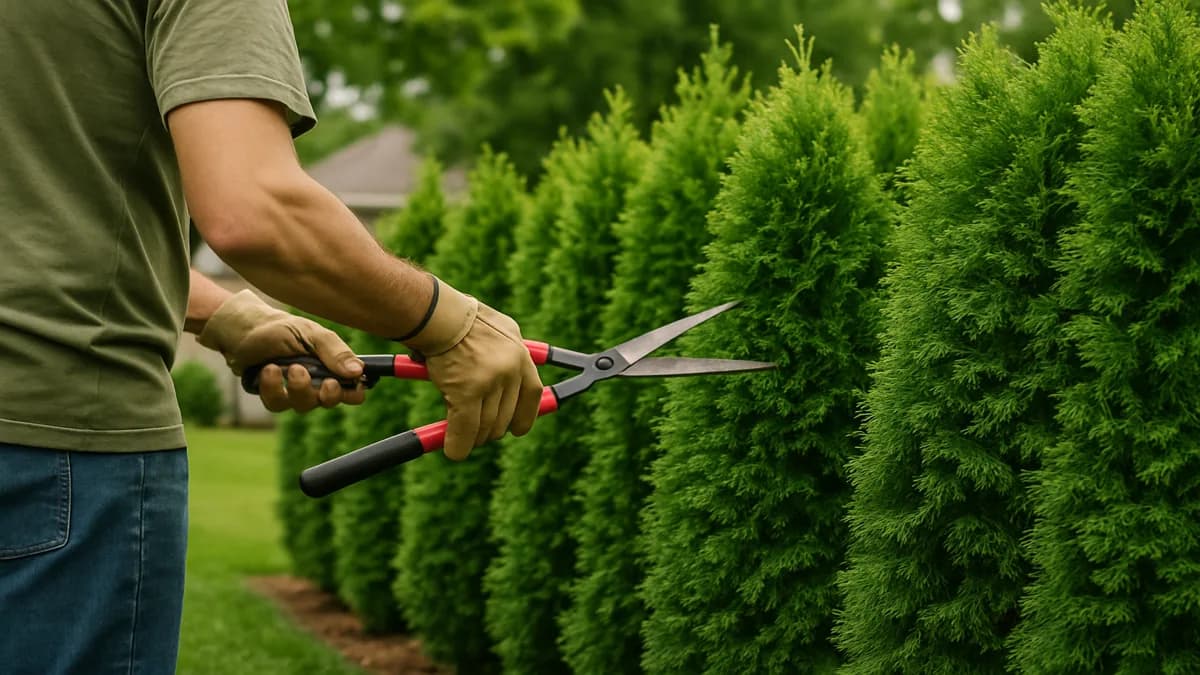
Privacy Plants That Work: Fast, Dense, and Right for Your Yard
Choosing privacy plants is about more than speed. Get real advice on spacing, climate fit, and which hedges actually work for small yards or tough spots.
6 min read
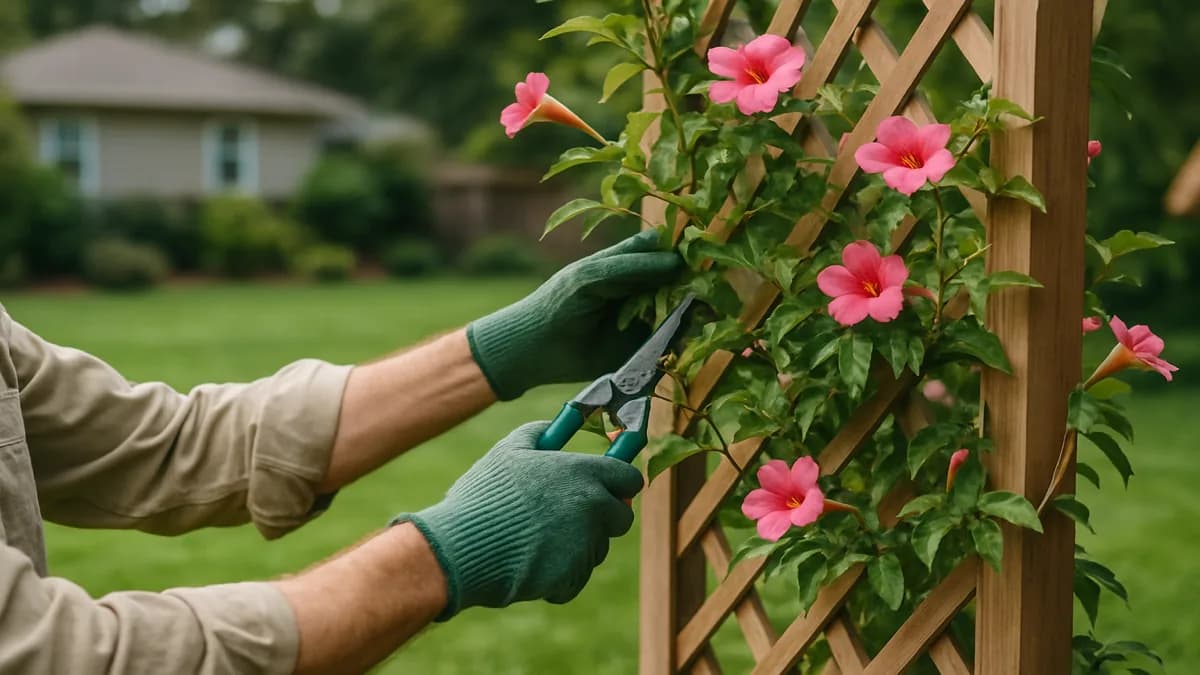
Flower Vines for Your Yard: What Works, What Wrecks, and What to Skip
Not all flower vines are friendly. Here’s how to pick the right climbers for your yard, match them to supports, and dodge invasives and home damage.
7 min read
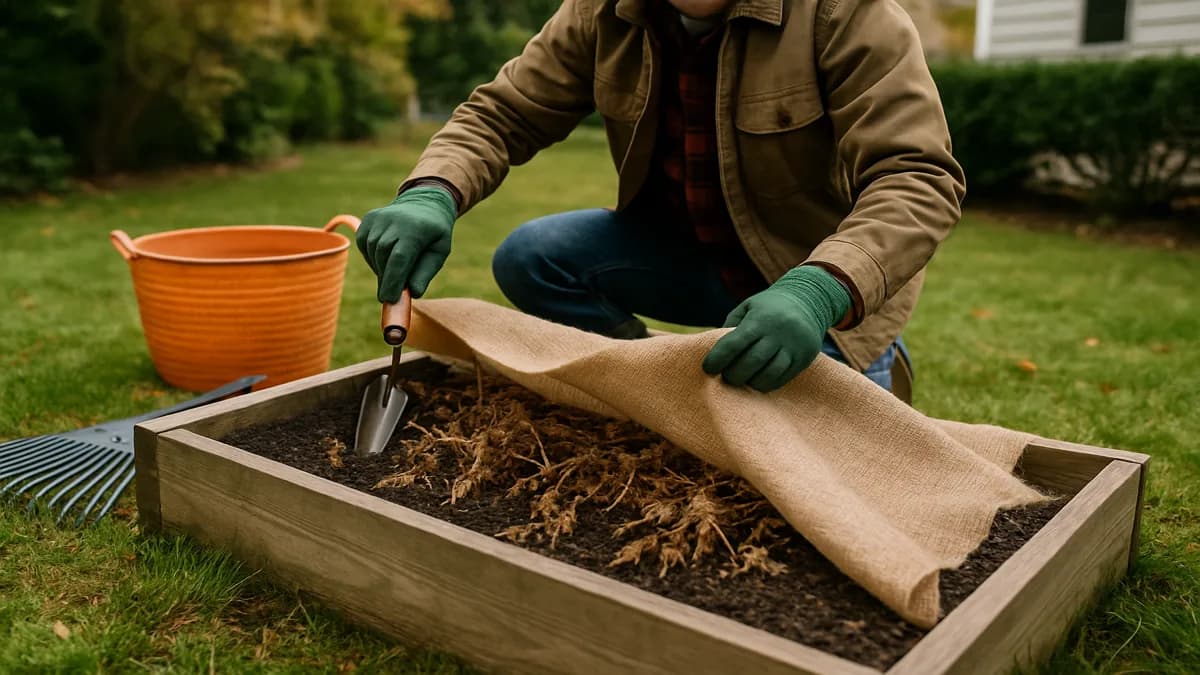
Winterizing Your Garden: What Actually Matters
Winter garden prep isn’t about wrapping everything in burlap. Here’s what actually matters for healthy beds, roses, and irrigation,plus what you can skip.
7 min read
Spotted something out of date or wrong? Tell us , we correct guides rather than leaving them to rot.