Real Plants for a Goth Garden: Near-Black Flowers and Dark Foliage That Actually Work
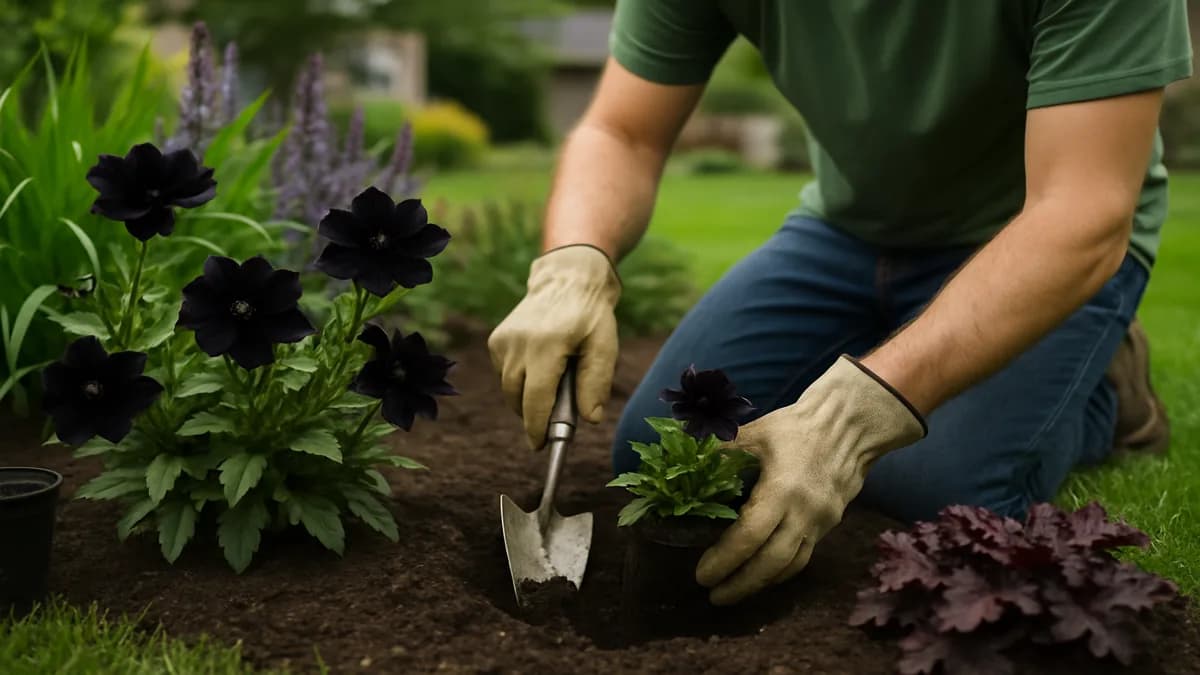
No flower is truly black, but you can build a goth garden with near-black blooms, dark foliage, and the right design tricks. Here’s what actually works.
On this page
- The Best Near-Black Flowers for a Goth Garden
- Dark Foliage Plants: The Backbone of a Goth Garden
- Plants With a Gothic Reputation (Folklore, Form, or Oddity)
- How to Design a Goth Garden That Actually Works
- 1. Contrast Is Everything
- 2. Use Backlighting
- 3. Texture and Repetition
- 4. Honest Skip-It Scenario
- Soil, Mulch, and Bed Prep for Dark Plants
- Example: Real-World Goth Garden Bed
- Where People Mess Up
- Tips for Success
- Quick Reference: Top Plants for Goth Gardens
Looking to turn your yard into something moody, mysterious, or just plain dramatic? You want gothic flowers and plants,near-black blooms, dark foliage, and a design that makes them pop. Here’s how to actually pull it off, without wasting money on plants that disappear into the background.
Most folks are here to answer one question: What plants and design tricks make a goth garden look intentional, not like a dead patch? I’ll walk you through the best near-black flowers, dark-leaved shrubs and perennials, and the honest mistakes I see every year.
The Best Near-Black Flowers for a Goth Garden (opens in a new tab)
You won’t find a jet-black flower at the garden center. But you can get close. Here are the darkest options that actually show up in a U.S. garden:
| Plant Name | Type | Height | Bloom Time | Hardiness (USDA) | Notes |
|---|---|---|---|---|---|
| 'Queen of Night' Tulip | Bulb | 24-28 in | Late spring | 3-7 (annual in South) | Deep maroon-black, best in groups |
| 'Black Baccara' Rose | Shrub | 3-4 ft | Summer-fall | 5-9 | Deepest rose, needs sun |
| Black Hollyhock 'Nigra' | Biennial | 5-7 ft | Summer | 3-8 | Tall, dramatic, prone to rust |
| Chocolate Cosmos | Tender Perennial | 18-24 in | Summer-frost | 7-11 (annual elsewhere) | Smells like chocolate, not frost-hardy |
| 'Black Knight' Scabiosa | Annual | 24-30 in | Summer-frost | All (annual) | Easy from seed, deep burgundy |
| 'Onyx Odyssey' Hellebore | Perennial | 18 in | Late winter-spring | 4-9 | Shade, evergreen, deer-resistant |
| 'Black Ball' Cornflower | Annual | 24-36 in | Summer | All (annual) | Easy, prolific, deep burgundy |
| 'Molly Sanderson' Viola | Annual/Perennial | 4-6 in | Spring-fall | 5-9 (annual in hot South) | Good for edging, containers |
A few more worth hunting for: 'Black Parrot' tulip (fringed petals), 'Black Barlow' aquilegia (spurred, dark purple), and 'Dark and Handsome' hellebore. For a full list, check specialty catalogs,just know most "black" flowers look darkest in shade and fade to purple or red in sun.
Dark Foliage Plants: The Backbone of a Goth Garden (opens in a new tab)
Flowers come and go. If you want drama all season, you need dark-leaved plants. These are the ones that actually hold their color and structure:
| Plant Name | Type | Height/Spread | Sun Needs | Hardiness (USDA) | Best Use/Notes |
|---|---|---|---|---|---|
| Black Mondo Grass | Grass | 6-10 in | Part sun-shade | 6-10 | Edging, massing, slow spreader |
| 'Black Lace' Elderberry | Shrub | 6-8 ft | Full sun | 4-7 | Finely cut leaves, pink flowers |
| 'Diabolo' Ninebark | Shrub | 6-8 ft | Full sun | 3-7 | Deep purple, tough as nails |
| Purple Smoke Bush | Shrub | 8-15 ft | Full sun | 5-8 | Coppice for darkest color |
| Dark Heuchera ('Obsidian') | Perennial | 8-12 in | Part sun-shade | 4-9 | Evergreen in mild climates |
| 'Bishop of Llandaff' Dahlia | Tender Perennial | 3-4 ft | Full sun | 8-11 (annual elsewhere) | Dark leaves, red flowers |
| Aeonium 'Zwartkop' | Succulent | 12-24 in | Full sun | 9-11 (container elsewhere) | Dramatic, overwinter indoors |
| Colocasia 'Black Magic' | Tropical | 3-6 ft | Sun-part shade | 8-11 (annual elsewhere) | Huge, dark leaves, needs moisture |
If you want something that survives winter and doesn’t need babying, start with black mondo grass, 'Diabolo' ninebark, and dark heuchera. For containers or drama, try Aeonium 'Zwartkop' or 'Black Magic' colocasia.
Plants With a Gothic Reputation (Folklore, Form, or Oddity) (opens in a new tab)
Some plants just look or sound goth, even if they aren’t black:
- Foxglove (Digitalis): Tall, spiky, and poisonous. Adds height and drama.
- Monkshood (Aconitum): Deep blue-purple, hooded flowers. Extremely toxic,always wear gloves.
- Bat Flower (Tacca chantrieri): Exotic, dark flowers with long whiskers. Needs warmth and humidity.
- Voodoo Lily (Amorphophallus): Big, dark spathes and a brief, foul odor. Grows best in pots.
- Corkscrew Hazel (Corylus avellana 'Contorta'): Twisted branches, striking in winter.
- Snake’s Head Fritillary (Fritillaria meleagris): Nodding, checkered maroon bells for moist, part-shade spots.
How to Design a Goth Garden That Actually Works (opens in a new tab)
This is where most people mess up. You buy the darkest plants you can find, plant them in a bed with dark mulch, and… nothing. They vanish. Here’s what works:
1. Contrast Is Everything (opens in a new tab)
Don’t plant dark foliage against dark backgrounds. A purple smoke bush in front of a green hedge just looks like a hole. Use these tricks:
- Silver foliage (artemisia, lamb’s ear): Makes dark plants pop.
- Chartreuse/gold (hakone grass, 'Angelina' sedum): Modern, vivid contrast.
- White flowers or variegation: Clean, bold look.
- Pale gravel or stone: Makes dark foliage "float."
- Light-colored wall or fence: Best backdrop for drama.
| Contrast Trick | What It Does | Example Pairing |
|---|---|---|
| Silver foliage | Sharpest, most graphic contrast | Black mondo grass + artemisia |
| Chartreuse/gold foliage | Modern, vivid contrast | 'Diabolo' ninebark + hakone grass |
| White flowers/variegation | Clean, bold look | 'Queen of Night' tulip + white tulips |
| Pale gravel/stone | Makes dark plants "float" | Black mondo grass + pale gravel |
| Light wall/fence | Excellent backdrop | Purple smoke bush + white fence |
| Dark green hedge | Poor, plant vanishes | (Don’t do this) |
2. Use Backlighting (opens in a new tab)
Place near-black flowers where morning or evening sun shines from behind. You’ll see reds and purples glow that you’d miss in flat light.
3. Texture and Repetition (opens in a new tab)
With a limited color palette, leaf shape and size matter. Mix fine textures (like 'Black Lace' elderberry) with bold ones (colocasia, hosta). Don’t scatter dark plants,group them in threes or fives for impact.
4. Honest Skip-It Scenario (opens in a new tab)
Skip the goth garden if your yard is mostly deep shade and you refuse to use silver or chartreuse plants for contrast. You’ll end up with a bed of invisible plants and wasted money. There are better ways to make a shade garden pop,see our shade plant guide.
Soil, Mulch, and Bed Prep for Dark Plants (opens in a new tab)
Most dark-leaved plants don’t need special soil. But two things matter:
- Sun: Many dark-leaved plants (smoke bush, 'Black Lace' elderberry, purple fountain grass) need full sun to keep their color. In shade, they go green.
- Mulch: Don’t use dark mulch or gravel under dark plants. They disappear. Use pale gravel, straw, or light bark.
Example: Real-World Goth Garden Bed (opens in a new tab)
Let’s say you want a 10-foot by 4-foot sunny border (40 sq ft). Here’s a combo that works:
- Back row: 1 purple smoke bush (coppiced each spring for big, dark leaves).
- Middle: 10 'Queen of Night' tulips (planted in fall, bloom in spring), replaced by 3 'Bishop of Llandaff' dahlias for summer-fall color.
- Front: 6 black mondo grass, spaced 12 inches apart, with 6 artemisia or lamb’s ear between for silver contrast.
- Edging: 8 'Molly Sanderson' violas for cool-season color.
For mulch, use pale gravel. For spacing, use the calculator above. This combo gives you drama from March to frost, and the silver foliage keeps it from looking like a black hole.
Where People Mess Up (opens in a new tab)
What usually happens is folks plant dark flowers in singles, or put them against dark mulch or a green hedge. The plants vanish. Or, they plant only dark-leaved shrubs, and the bed looks flat and heavy. Always use contrast and groupings. And don’t forget: some of the most dramatic plants are toxic,don’t plant monkshood or foxglove where kids or pets roam.
Tips for Success (opens in a new tab)
- Group dark plants for impact, always with contrasting foliage or flowers nearby.
- Use containers for tender or dramatic plants (Aeonium 'Zwartkop', bat flower).
- For shade, stick to black mondo grass, dark heuchera, hellebores, and snakeroot.
- Plan your bed size and spacing before buying,use the calculator to avoid over- or under-planting.
- Check hardiness for your USDA zone, especially for bulbs and tender perennials.
For more vertical drama, check out flowering vines for your yard. Want privacy with a moody vibe? See the best privacy hedges. If you’re adding structures, pergolas add shade and drama.
Quick Reference: Top Plants for Goth Gardens (opens in a new tab)
| Plant Type | Best For | Sun/Shade | Notable Varieties/Features |
|---|---|---|---|
| Bulbs | Spring drama | Sun | 'Queen of Night' tulip |
| Shrubs | Structure, foliage | Sun | 'Black Lace' elderberry, ninebark |
| Perennials | Season-long color | Part sun-shade | Black mondo grass, heuchera |
| Annuals | Fast color, edges | Sun/part shade | 'Black Ball' cornflower, violas |
| Tropicals | Containers, drama | Sun/part shade | Colocasia 'Black Magic', Aeonium |
If you want more ideas for shade, see best shade garden plants. For winter prep, check how to winterize a garden.
Frequently asked questions
Calculators for this job
Plant Spacing Calculator
Find out how many plants a bed needs at your chosen spacing, and how many fewer you need if you offset the rows. Triangular spacing fits about 15% more plants into the same ground.
OpenMulch Calculator
Enter your bed dimensions and how deep you want the mulch. You'll get cubic yards, the number of 2 cu ft bags, delivered weight, and whether bags or bulk works out cheaper at that volume.
OpenSoil Calculator
Work out soil volume for any planting area, then see it costed as bags and as bulk. Handles rectangular beds, curved borders, circles, and irregular shapes built from sections.
OpenKeep reading
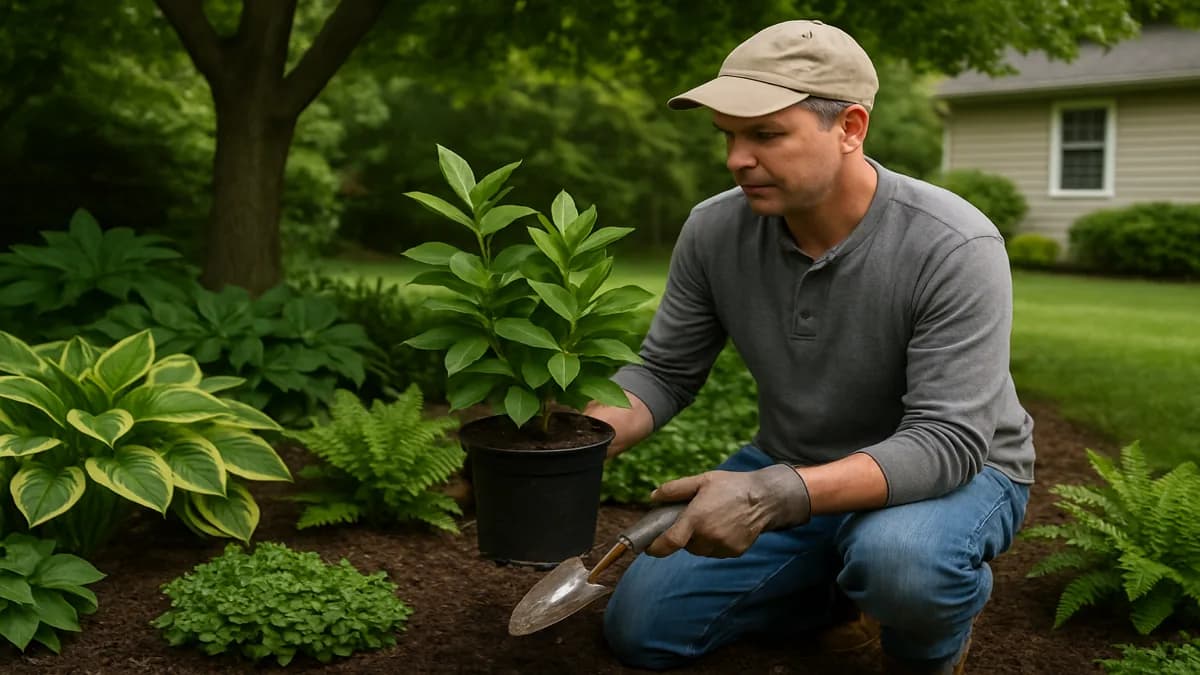
Shade Garden Winners: Shrubs, Perennials, and Groundcovers That Work
Shade gardening is all about matching the right plant to the right spot. Here’s how to pick shrubs, perennials, and groundcovers that actually thrive in your yard’s shade.
6 min read
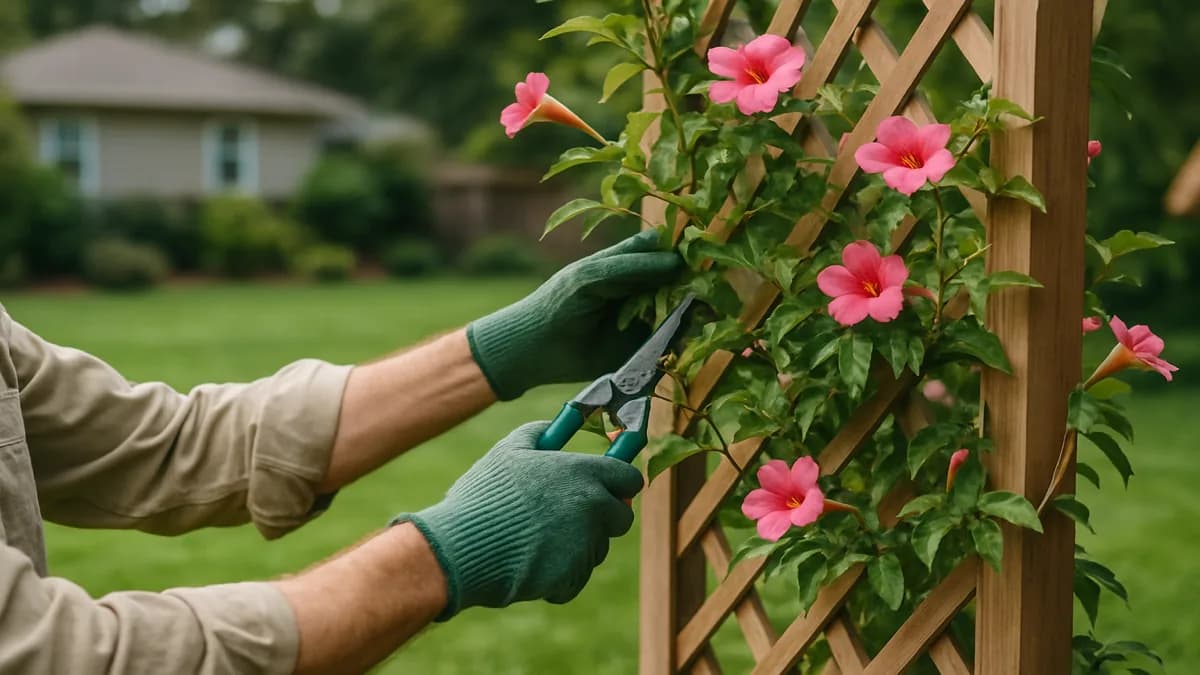
Flower Vines for Your Yard: What Works, What Wrecks, and What to Skip
Not all flower vines are friendly. Here’s how to pick the right climbers for your yard, match them to supports, and dodge invasives and home damage.
7 min read
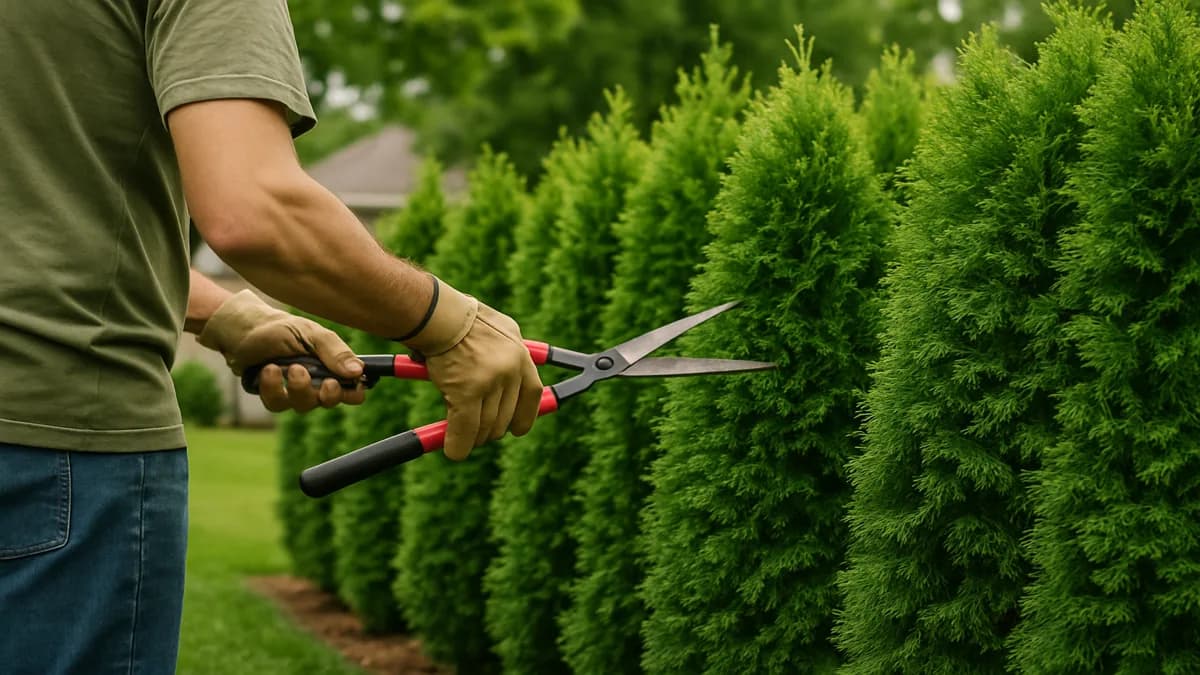
Privacy Plants That Work: Fast, Dense, and Right for Your Yard
Choosing privacy plants is about more than speed. Get real advice on spacing, climate fit, and which hedges actually work for small yards or tough spots.
6 min read
Spotted something out of date or wrong? Tell us , we correct guides rather than leaving them to rot.