Shade Garden Winners: Shrubs, Perennials, and Groundcovers That Work
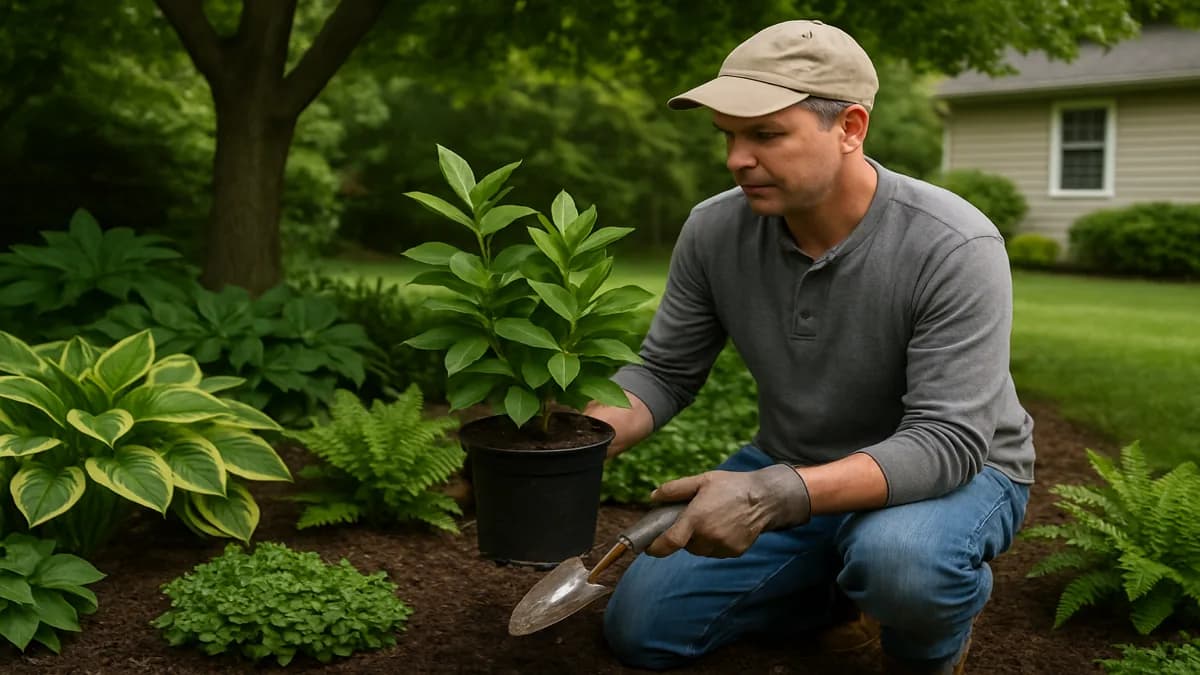
Shade gardening is all about matching the right plant to the right spot. Here’s how to pick shrubs, perennials, and groundcovers that actually thrive in your yard’s shade.
On this page
- What Kind of Shade Do You Actually Have?
- Shrubs for Shade: What Actually Works
- Best Bets for Part Shade (3-6 Hours Sun)
- Full Shade Shrubs (Less Than 3 Hours Sun)
- Dry Shade Survivors
- Perennials That Don’t Quit in Shade
- Foliage First
- Flower Power
- Groundcovers for Shade: Compare Your Options
- Where People Mess Up: Overwatering Dry Shade
- Skip It: Trying to Grow Lawn in Deep Shade
- Improving Soil in Shade Beds
- Shade Garden Design: Make It Look Intentional
- Worked Example: Planting a 100-Square-Foot Dry Shade Bed
- Quick Reference: Shade Plant Timing and Care
- Final Tips
You’re here because you’ve got a shady patch,maybe under a maple, along the north side of the house, or where the neighbor’s fence blocks the sun. You want shrubs and plants that won’t just limp along, but actually look good. Here’s what works, what doesn’t, and how to make a shade garden that lasts more than one season.
What Kind of Shade Do You Actually Have? (opens in a new tab)
Shade isn’t just “shade.” Here’s how to tell what you’re working with:
| Shade Type | Direct Sun (hrs/day) | Typical Location | What Grows Here? |
|---|---|---|---|
| Part Shade | 3-6 | East side, under open trees | Most shade-tolerant shrubs |
| Dappled Shade | Filtered all day | Under high tree canopy | Woodland perennials, ferns |
| Full Shade | under 3 hours | North side, dense tree cover | Limited shrubs, select perennials |
| Dense Shade | under 1 hour | Under evergreens, behind sheds | Few plants; mulch or hardscape |
Morning sun is gentler than afternoon. If your spot gets hot afternoon rays, even for a couple hours, expect more leaf scorch. Dry shade (under maples, oaks, or big evergreens) is the toughest: tree roots hog water, and the canopy blocks rain. New plants here need extra care.
Shrubs for Shade: What Actually Works (opens in a new tab)
Best Bets for Part Shade (3-6 Hours Sun) (opens in a new tab)
- Hydrangea (Bigleaf, Oakleaf): Bigleaf likes moist soil and blooms blue or pink. Oakleaf handles drier spots, has white flowers, and great fall color.
- Azalea & Rhododendron: Need acidic, well-drained soil. Don’t plant in soggy spots. Spring bloomers.
- Viburnum: Many species; look for arrowwood or leatherleaf. Spring flowers, berries for birds.
- Fothergilla: Native, fragrant spring flowers, fiery fall leaves. Slow grower but worth it.
- Summersweet (Clethra alnifolia): Spikes of fragrant white or pink flowers in midsummer. Handles wet feet.
Full Shade Shrubs (Less Than 3 Hours Sun) (opens in a new tab)
- Yew (Taxus): The classic shade hedge. Handles pruning, but toxic if eaten.
- Boxwood: Slow but reliable for structure. Needs some air movement to avoid disease.
- Aucuba japonica: Glossy, variegated leaves brighten dark corners. Best in zones 7-10.
- Mountain Laurel (Kalmia latifolia): Showy spring flowers, needs acidic soil. Native in the East.
- Oregon Grape Holly (Mahonia aquifolium): Evergreen, yellow flowers, blue berries. Handles dry shade once established.
Dry Shade Survivors (opens in a new tab)
- Oregon Grape Holly, Yew, Aucuba, Viburnum: All can handle dry shade, but expect slow growth. Water well the first two years, then let them tough it out.
Perennials That Don’t Quit in Shade (opens in a new tab)
Foliage First (opens in a new tab)
- Hosta: The go-to for shade. Tons of sizes and leaf colors. Watch for deer and slugs.
- Ferns: Japanese painted fern (colorful), ostrich fern (tall), Christmas fern (evergreen, tolerates dry shade).
- Heuchera (Coral Bells): Evergreen in most climates. Leaves from lime to purple.
- Brunnera: Heart-shaped, silver-veined leaves. Blue spring flowers.
- Japanese Forest Grass (Hakonechloa): Cascading, gold or green. Handles dry shade better than most grasses.
Flower Power (opens in a new tab)
- Astilbe: Feathery plumes in pink, red, or white. Needs steady moisture.
- Hellebore (Lenten Rose): Blooms in late winter or early spring. Evergreen, deer-resistant.
- Bleeding Heart (Dicentra): Old-fashioned favorite. Spring flowers, then goes dormant.
- Foamflower (Tiarella): Native, spring bloom, spreads gently.
- Hardy Geranium (Cranesbill): Long bloom, handles dry shade.
- Epimedium: Delicate spring flowers, tough as nails. Great for dry shade.
- Hardy Begonia (Begonia grandis): Late summer blooms, handles deep shade.
Groundcovers for Shade: Compare Your Options (opens in a new tab)
| Plant | Shade Tolerance | Spacing (inches) | Evergreen? | Notes |
|---|---|---|---|---|
| Pachysandra | Full | 8 | Yes | Spreads steadily, classic under trees |
| Vinca minor | Part-Full | 12 | Yes | Blue flowers, invasive in some states |
| Sweet Woodruff | Full | 12 | No | Fragrant, likes moist shade |
| Lamium | Part-Full | 12 | Semi | Silver leaves, tolerates dry shade |
| Ajuga | Part-Full | 8 | Semi | Fast, purple-bronze foliage |
| Liriope | Part-Full | 12 | Yes | Grass-like, tough, purple spikes |
| Wild Ginger | Full | 10 | No | Native, glossy heart-shaped leaves |
| Creeping Sedum | Part | 10 | Yes | Needs good drainage, not for deep shade |
Where People Mess Up: Overwatering Dry Shade (opens in a new tab)
What usually happens is folks see dry soil and water a lot, thinking they’re helping. But under big trees, water runs off or sits on the surface, and roots can rot. Dry shade plants want well-drained soil and deep, infrequent watering,especially the first two years. After that, let them fend for themselves.
Skip It: Trying to Grow Lawn in Deep Shade (opens in a new tab)
If your spot gets less than two hours of direct sun, don’t waste money on grass seed or sod. Even fine fescue and St. Augustine won’t last. Use mulch, groundcovers, or hardscape instead. It’s cheaper and less frustrating.
Improving Soil in Shade Beds (opens in a new tab)
Don’t dig big holes under mature trees. You’ll cut roots and stress the tree. Instead:
- Top-dress with 2 inches of compost every spring (don’t bury trunks)
- Let worms and rain work it in
- For new beds, use smaller plants (1-gallon or quart size) and tuck them between roots
Shade Garden Design: Make It Look Intentional (opens in a new tab)
- Foliage is your friend. Most shade perennials bloom in spring, then it’s all about leaves.
- Mix leaf shapes and colors: pair fine ferns with bold hostas, add silver or chartreuse for brightness.
- Layer by height: shrubs in back, perennials in the middle, groundcovers up front.
- Use spring ephemerals (trillium, Virginia bluebells, bloodroot) for early color,they go dormant by summer.
- Add a bench, stepping stones, or a birdbath to make the space inviting.
Worked Example: Planting a 100-Square-Foot Dry Shade Bed (opens in a new tab)
Say you want to fill a 10x10 ft (3x3 m) dry shade bed with epimedium and lamium. Both space at 12 inches.
- Area: 100 sq ft
- Plant spacing: 1 ft
- Number of plants (square spacing): 100
- With triangular spacing: about 115 (15% more)
- Buy 60 epimedium and 55 lamium for a mixed look
For compost: 2 inches deep over 100 sq ft = about 0.6 cubic yards (0.46 m³). For mulch: 3 inches deep = about 0.9 cubic yards (0.7 m³).
Quick Reference: Shade Plant Timing and Care (opens in a new tab)
| Plant Type | Best Planting Time | Water Needs (Year 1) | Pruning Tips |
|---|---|---|---|
| Shrubs | Spring or fall | Weekly, deep | Light after bloom |
| Perennials | Spring or fall | Weekly, deep | Cut back dead foliage |
| Groundcovers | Spring or fall | Keep moist to establish | Trim runners as needed |
Final Tips (opens in a new tab)
- Always check your USDA zone and soil pH before buying plants.
- Avoid invasive species, even if they’re cheap.
- Be patient,shade gardens fill in slower, but last longer.
- For more ideas, see goth garden plants, privacy hedges, and flowering vines.
- If you’re prepping for winter, see how to winterize a garden.
Frequently asked questions
Calculators for this job
Plant Spacing Calculator
Find out how many plants a bed needs at your chosen spacing, and how many fewer you need if you offset the rows. Triangular spacing fits about 15% more plants into the same ground.
OpenSoil Calculator
Work out soil volume for any planting area, then see it costed as bags and as bulk. Handles rectangular beds, curved borders, circles, and irregular shapes built from sections.
OpenMulch Calculator
Enter your bed dimensions and how deep you want the mulch. You'll get cubic yards, the number of 2 cu ft bags, delivered weight, and whether bags or bulk works out cheaper at that volume.
OpenKeep reading
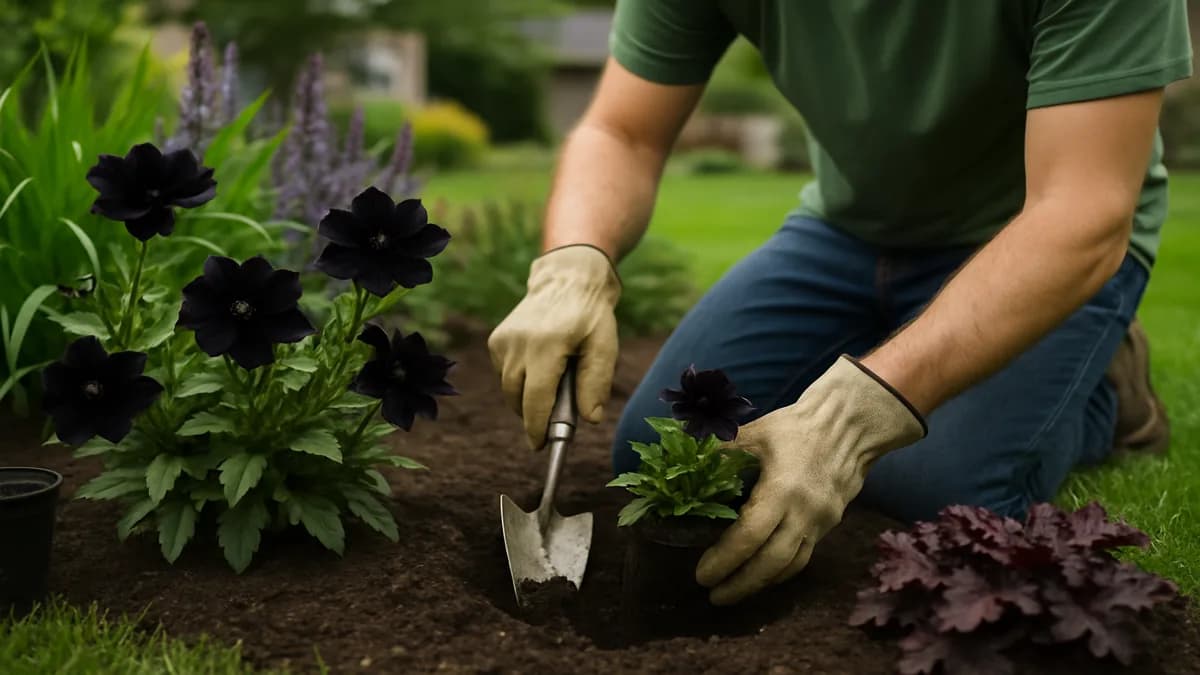
Real Plants for a Goth Garden: Near-Black Flowers and Dark Foliage That Actually Work
No flower is truly black, but you can build a goth garden with near-black blooms, dark foliage, and the right design tricks. Here’s what actually works.
8 min read
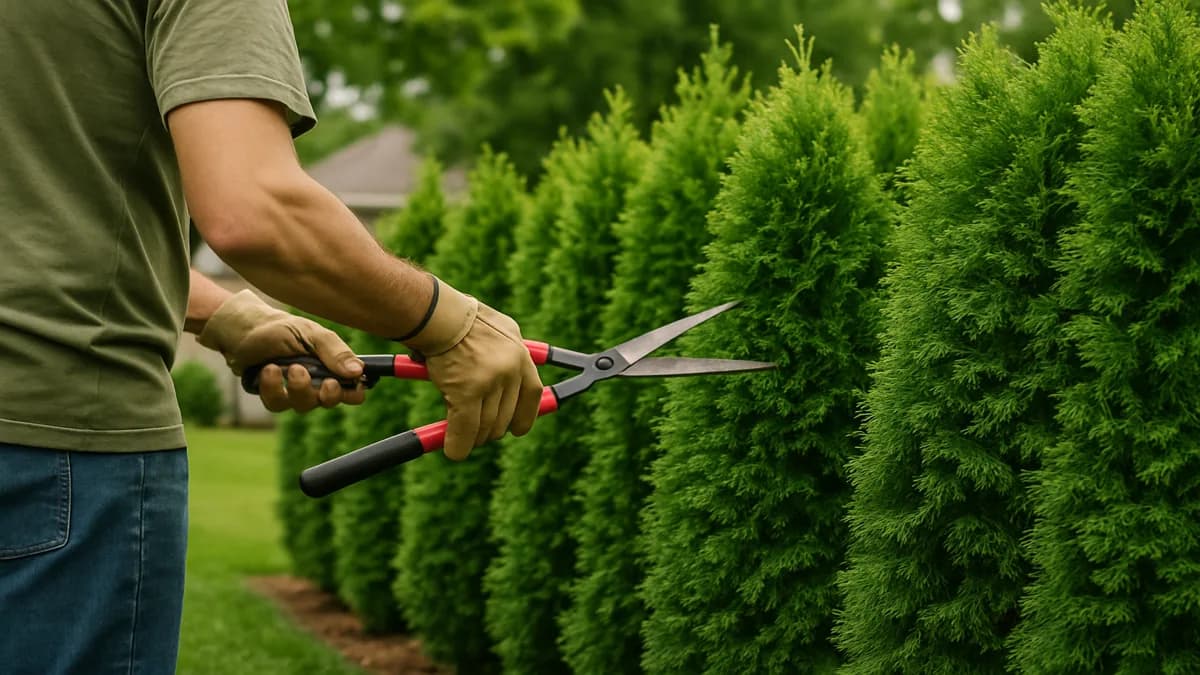
Privacy Plants That Work: Fast, Dense, and Right for Your Yard
Choosing privacy plants is about more than speed. Get real advice on spacing, climate fit, and which hedges actually work for small yards or tough spots.
6 min read
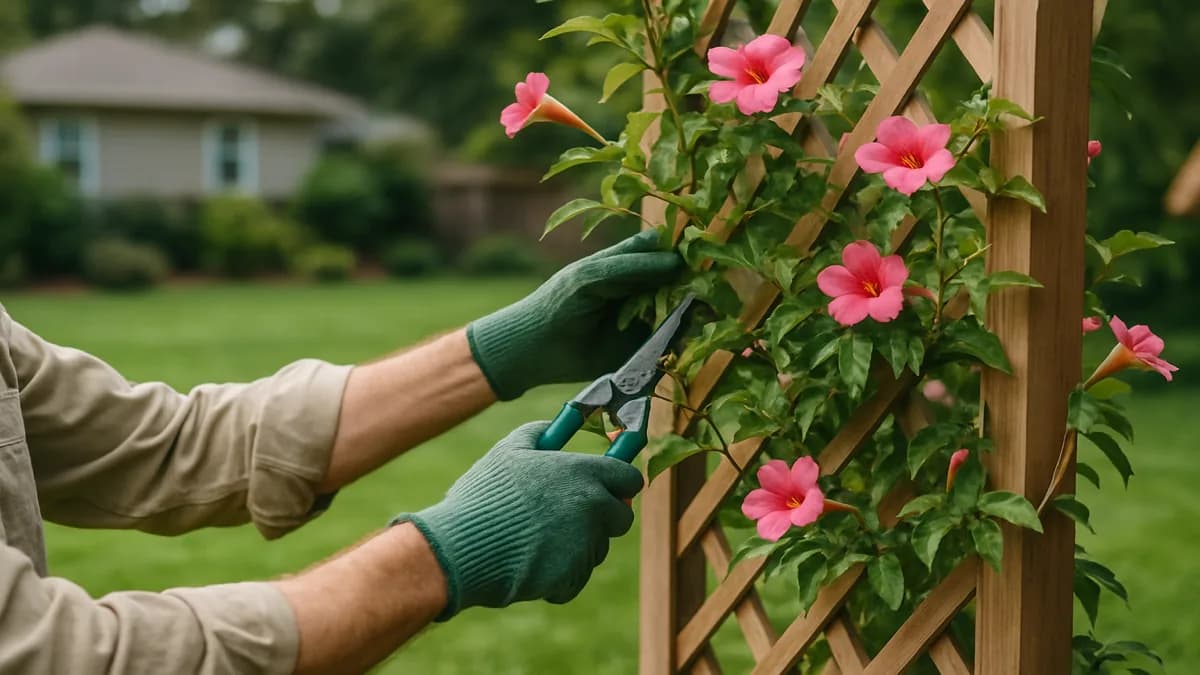
Flower Vines for Your Yard: What Works, What Wrecks, and What to Skip
Not all flower vines are friendly. Here’s how to pick the right climbers for your yard, match them to supports, and dodge invasives and home damage.
7 min read
Spotted something out of date or wrong? Tell us , we correct guides rather than leaving them to rot.